


Sahiwal coal plant disrupts livelihoods, water supply and mobility: report
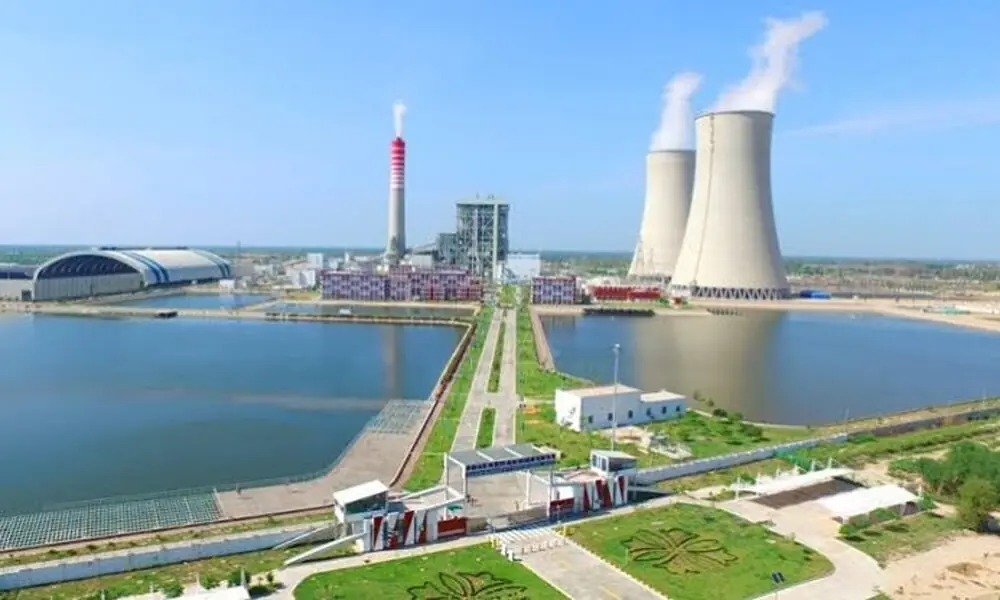

KARACHI: A research report has documented disruptions to livelihoods, irrigation, drinking water supplies and local mobility in villages hosting the Sahiwal Coal Power Plant, with researchers calling for greater transparency and stronger consideration of affected communities in energy project planning.
The findings were presented by Pind Sudhaar Services (PSS), a member of the Citizens’ Collective for Just Energy Development (CCJED), at a consultative dialogue held on Wednesday. The coalition comprises civil society organisations as well as legislators, political leaders, lawyers, journalists, environmentalists and energy experts.
According to PSS representatives, the research was based on a survey of 121 households, focus group discussions, key informant interviews and a review of official records.
The study found that the proportion of surveyed households relying primarily on agriculture declined from 35 percent before the plant became operational to 16 percent afterwards. At the same time, only 3 percent of households surveyed identified the power plant as their main source of income.
The researchers said the plant was constructed on private agricultural land and that its development had affected local livelihoods, irrigation and drinking water supplies, as well as mobility in surrounding communities. They also said the benefits promised to host communities had remained limited.
Residents of affected villages told the researchers that access to the GT Road and other parts of the district had been restricted following the closure of a railway crossing for security purposes at the plant. They also reported deterioration in drinking-water quality.
The research further highlighted the closure of an irrigation outlet required for the plant’s operations, which, according to the findings, deprived 275 acres of agricultural land of canal water.
The report also raised concerns over the availability of environmental monitoring and corporate social responsibility records. It noted that the Huaneng Sahiwal Welfare Trust was established to receive 2 percent of the plant operator’s annual net profit, but said no publicly available record of the trust’s receipts or expenditure had been found until April 2026.
Participants at the dialogue called for affected communities to be included in the planning, implementation and post-implementation stages of major development and energy projects.
Rafe of the Alternative Law Collective said the full cost imposed by coal projects on host communities was difficult to quantify because impacts on livelihoods, health and natural resources could persist over long periods and affect future generations. He called for greater transparency, recognition of community concerns and comprehensive assessments of the impacts of large-scale projects.
Representatives of the Policy Research Institute for Equitable Development said communities’ demands were modest compared with the losses they reported, while emphasising the need to systematically document evidence relating to public health and other impacts.
Abdullah Cheema of Lok Sujag said the benefits of development projects were enjoyed by a much wider population and that the costs should not be borne disproportionately by host communities.
PML-N MPA Somia Atta Shahani assured community representatives that she would raise their concerns in the Punjab Assembly. PPP Central Punjab Information Secretary Shehzad Saeed Cheema questioned the selection of Sahiwal as the site for a coal-fired power plant and called for strict enforcement of regulations concerning natural resources, livelihoods and public health.
Jamaat-i-Islami leader Khalid Ahmed Butt and representatives of the Punjab Climate Action Network also called for continued community mobilisation, while Advocate Abdullah Malik of the National Civil Society Network urged the government to improve transparency in the disclosure of monitoring data concerning emissions, wastewater and other environmental parameters.
The research and recommendations were presented as part of a broader call by CCJED for policymakers to ensure that the concerns and perspectives of communities affected by energy and infrastructure projects are incorporated into decision-making and monitoring processes.
Copyright Business Recorder, 2026
























Comments