


Ending torture
Despite Pakistan's 2022 anti-torture law, custodial torture persists due to implementation gaps, lack of accountability, and insufficient political will, undermining the justice system.
- Gaps between anti-torture laws and their practical implementation.
- Various forms of torture, including psychological abuse.
- Lack of accountability and clear law enforcement procedures.
- Recommendations for strengthening anti-torture mechanisms and oversight.
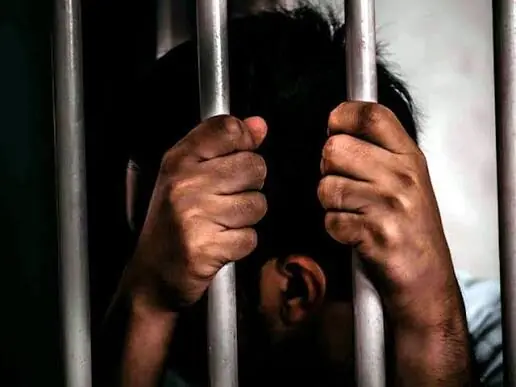
EDITORIAL: The Human Rights Commission of Pakistan’s observation, at a roundtable held as part of its Against Torture campaign, that torture persists despite the enactment of the Torture and Custodial Death (Prevention and Punishment) Act, 2022, is a sobering reminder that legislation, however progressive, cannot by itself transform institutional practices. Four years after the law was enacted, reports of custodial torture and ill-treatment continue to surface, exposing a troubling gap between legal commitments and administrative reality.
The prohibition of torture is a constitutional imperative and also an obligation under international human rights law. Equally important is the fact that it is central to the credibility of the criminal justice system. A state that permits torture, whether through commission or omission, undermines public confidence in its institutions.
Investigative agencies that rely on coercion rather than professional evidence-gathering compromise both justice and the integrity of the judicial process, producing unreliable confessions while discouraging proper investigation and effective policing. The concerns raised during the HRCP consultation, therefore, deserve urgent attention.
As the well-known rights activist Hina Jilani rightly observed, torture is not confined to physical violence. Psychological abuse, prolonged isolation, intimidation and other forms of cruel, inhuman or degrading treatment can inflict equally lasting harm and must be recognised as such within the enforcement framework.
Equally serious is the absence of clear operational procedures for law enforcement agencies. A law criminalizing torture cannot be effectively implemented unless police officers, prison authorities and investigators are equipped with practical guidelines for preventing, documenting, investigating and responding to such violations.
The discussion also highlighted the more fundamental problem of accountability. Torture thrives where there is little or no prospect of punishment. Independent investigations into custodial abuse, prompt prosecution of offenders, and credible oversight mechanisms are indispensable if the law is to serve as a genuine deterrent.
Victims, too, must be able to report abuse without fear of reprisals, while judicial safeguards against arbitrary detention require far more rigorous enforcement.
Equally significant was the reminder that concerns highlighted by the UN Committee against Torture nearly a decade ago continue to feature in Pakistan’s latest review. Their persistence points to structural deficiencies that remain almost completely unaddressed.
The recommendations emerging from the consultation therefore merit serious consideration. Prison rules should be aligned with constitutional guarantees and international human rights standards, while the internment centres should either be abolished or brought within the civilian prison system under independent oversight.
Ratifying the Optional Protocol to the Convention Against Torture (OPCAT) would further strengthen transparency by establishing an independent preventive mechanism with the authority to conduct regular inspections of all places of detention.
The larger challenge, therefore, is one of implementation rather than legislation. As mentioned earlier, Pakistan’s anti-torture framework is no longer lacking in legislation; it is lacking in implementation, political will and institutional accountability.
Unless these deficiencies are addressed, custodial violence will remain an enduring stain on the justice system. While the primary responsibility rests with the state, civil society, the legal profession, the media and educational institutions also have a vital role in fostering a culture that rejects torture in all its forms and demands accountability wherever it occurs.
Copyright Business Recorder, 2026




















Comments