


The terror challenge
Pakistan faces a deeply disturbing security landscape with a resurgence of terrorism, marked by deadly attacks and significant losses, necessitating a comprehensive, proactive national counter-terrorism strategy.
- Recent surge in terrorist attacks and casualties across Pakistan.
- The critical need for a comprehensive, proactive counter-terrorism strategy.
- Militant groups' operational capabilities and cross-border support networks.
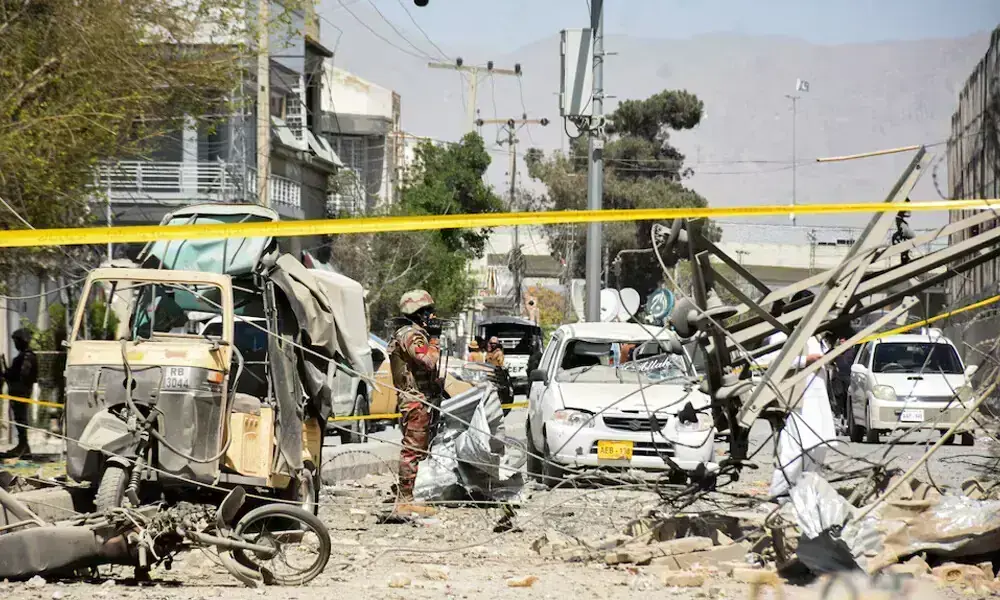
EDITORIAL: The latest security assessment by the Pakistan Institute for Conflict and Security Studies (PICSS) paints a deeply disturbing picture of the country’s security landscape.
July 2026 was the deadliest month of the year, claiming 205 lives, including 112 security personnel, while 401 terrorists were killed in counter-terrorism operations.
Before the nation could even absorb these grim statistics, another horrific tragedy unfolded in Swat on August 2, where a suicide bomber targeted a public gathering near Kabal police station, killing at least 24 people during a peaceful protest against lawlessness. These back-to-back tragedies underscore a painful reality: terrorism remains one of Pakistan’s gravest national security challenges.
The sharp rise in violence, particularly in Baluchistan and Khyber Pakhtunkhwa, points to a worrying resurgence of militant networks.
The increase in suicide bombings, vehicle-borne attacks, IED explosions, and kidnappings suggests that terrorist organisations retain both operational capability and logistical support despite years of sustained military pressure.
While the elimination of 401 terrorists in a single month demonstrates the effectiveness of security operations, it also reflects the scale and persistence of the threat confronting the state.
Success cannot be measured solely by the number of militants neutralised when the country continues to suffer such heavy losses among soldiers and civilians alike.
The sacrifice of 112 security personnel in one month deserves more than ceremonial tributes. These soldiers are defending the country under extraordinarily difficult circumstances and against an enemy that has repeatedly adapted its tactics. Their courage must be matched by a comprehensive national strategy that strengthens intelligence gathering, enhances inter-agency coordination, equips law enforcement with modern technology and ensures timely operational responses.
The deaths of civilians and peace committee members are an equally painful reminder that ordinary Pakistanis continue to bear the brunt of extremist violence.
Security experts have rightly pointed out that while militant groups continue to exploit sanctuaries across the border in Afghanistan, the success of their operations also depends on support networks, facilitators and recruitment channels inside Pakistan.
Cross-border safe havens undoubtedly remain a critical part of the problem, but disrupting domestic logistical networks and strengthening intelligence penetration are equally essential if such attacks are to be prevented rather than merely responded to.
Pakistan’s counter-terrorism strategy must therefore become increasingly proactive rather than reactive. Intelligence-led operations, rigorous analysis of threat assessments, tighter border management and closer coordination among military, police and civilian intelligence agencies should be the cornerstone of national security policy.
Equally important is ensuring the effective implementation of the National Action Plan and insulating counter-terrorism from political divisions that undermine institutional coherence.
Pakistan has repeatedly demonstrated remarkable resilience in the face of terrorism. But resilience alone cannot defeat an enemy that continues to evolve.
The grim statistics of July and the tragedy in Swat should serve as a reminder that the fight against terrorism is entering a more complex phase. The country’s security forces have shown extraordinary resolve. It is now imperative that the state complements their sacrifices with sharper intelligence, greater institutional coordination and a strategy that stays one step ahead of those determined to spread fear and instability.
Copyright Business Recorder, 2026






















Comments