


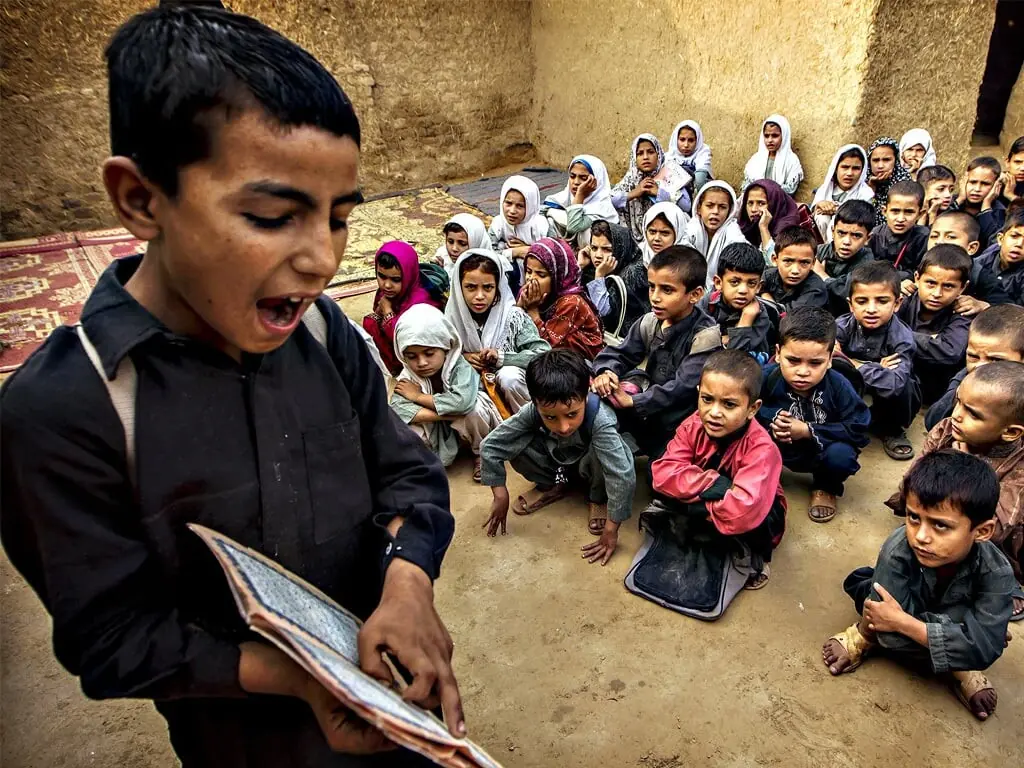
Pakistan continues to face one of the world’s most serious education crises, with a very high number of children remaining out of school despite constitutional guarantees of free and compulsory education.
The issue extends far beyond the classroom, affecting the country’s economic development, social cohesion, and future competitiveness. Every child who is denied an education represents not only a personal tragedy but also a lost opportunity for national progress. Poverty remains the principal reason why children are unable to attend school.
Many families struggle to meet their daily needs and cannot afford the costs associated with education, including uniforms, books, transport and other school-related expenses. In many cases, children are compelled to work in farms, factories, workshops or domestic service to supplement household incomes. Consequently, education becomes a luxury rather than a fundamental right.
The problem is further compounded by inadequate educational infrastructure. Numerous rural and remote communities lack sufficient schools, while many existing institutions suffer from poor facilities, overcrowded classrooms, teacher shortages and inadequate learning resources.
Girls are particularly disadvantaged in areas where cultural norms, concerns about safety and the absence of nearby schools discourage parents from sending their daughters to school.
As a result, gender disparities in education remain significant. Unless decisive action is taken to reduce the number of out-of-school children, the country will continue to face significant social and economic challenges for generations to come.
Meraj Ahmed, Karachi
Copyright Business Recorder, 2026





















Comments