



LAHORE: The Pakistan Kissan Rabita Committee (PKRC) criticising the government’s agricultural policies has alleged that the government has failed to improve farm productivity or promote growth in the agriculture sector, and called for an end to corporate farming, equitable distribution of water and the restoration of government-backed minimum support prices for crops.
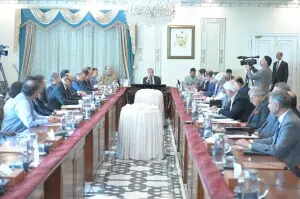
The demands were made during a one-day meeting of the PKRC’s central leadership held in Lahore, attended by farmers’ representatives from across the country. The meeting was presided over by PKRC President Tariq Mahmood and General Secretary Riffat Maqsood.
According to a statement issued after the meeting, participants expressed concern over the ongoing crisis in the agriculture sector, alleging that official policies had neither increased agricultural output nor addressed farmers’ economic challenges.
The committee criticised the government’s decision to import one million tonnes of wheat instead of offering better prices to local growers, describing the move as detrimental to farmers’ interests.
The meeting also condemned the arrest of eight farmers’ leaders, including Zulfiqar Awan, during nationwide protests on April 17 in Vehari, and demanded the withdrawal of what it termed “baseless cases” registered against them.
The PKRC opposed the privatisation of various departments under the agriculture department and called for the government to fix minimum support prices for major crops.
The meeting decided to launch a nationwide campaign focusing on corporate farming, environmental justice, minimum support prices, equitable water distribution and farmers’ land rights. As part of the campaign, public meetings, rallies and demonstrations will be organised in all four provinces.
Addressing the meeting, Professor Zaigham Abbas criticised Pakistan’s energy policies and called for greater investment in renewable energy. He alleged that capacity payments to independent power producers had placed an undue burden on the public and urged the government to gradually phase out fossil fuels while ensuring optimal utilization of wind and solar energy projects.
The participants also advocated a shift towards sustainable and natural farming practices, arguing that reliance on chemical fertilizers and pesticides should be reduced in favour of environmentally friendly agriculture.
The PKRC further demanded equitable distribution of water among the provinces, saying Sindh and Balochistan should receive their due share and that tail-end areas in Sindh must be ensured adequate water supplies.
The committee opposed the proposed Jalalpur Canal project, alleging that it violated the 1990 Water Apportionment Accord and had been initiated without the approval of the Indus River System Authority (IRSA). It called for the project to be halted immediately.
The meeting also opposed the eviction of tenant farmers under corporate farming initiatives, demanding that land rights be granted to cultivators and that the corporate farming policy be withdrawn. It further called for land reforms and redistribution of agricultural land among tenants and landless farmers.
Copyright Business Recorder, 2026

















Comments