


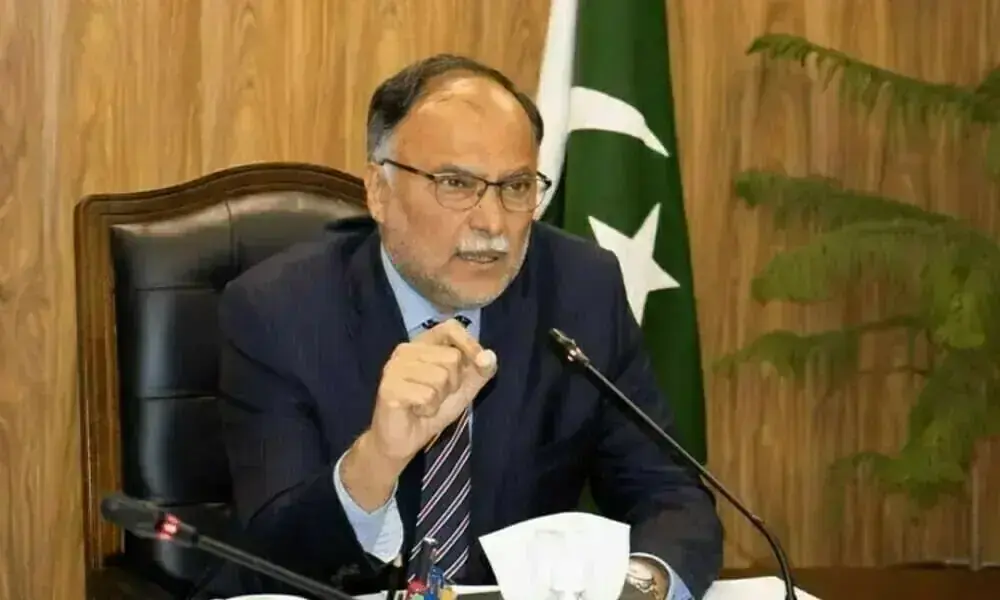

LAHORE: Federal Minister for Planning, Development and Special Initiatives, Ahsan Iqbal, said on Saturday that Pakistan must rapidly transition to electric vehicles (EVs), boost exports and broaden its tax base to build a resilient economy capable of breaking free from dependence on external financial assistance.
Speaking to journalists after inaugurating the “EVs World and Electricity Pakistan Exhibition” at the Expo Centre in Lahore, the minister said the global transportation sector was undergoing a historic shift from petrol-powered vehicles to EVs.
READ ALSO: Broaden the base or burden the few
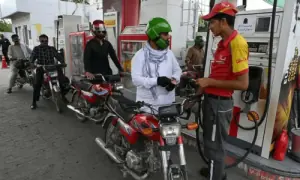
He said that nearly 80 per cent of Pakistan’s petroleum consumption was linked to the transport sector, underscoring the urgent need to accelerate the adoption of electric vehicles. “The present government wanted the transport sector to increasingly run on domestically generated electricity, reducing reliance on imported fuel and strengthening the country’s energy security,” he said.
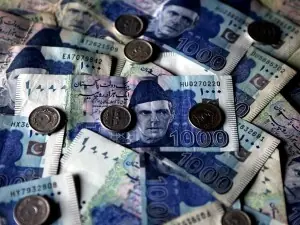
He said the country had to transform from a “dollar-consuming economy into a dollar-earning economy”.
He said that while around nine million overseas Pakistanis generated approximately $40 billion in foreign exchange annually, the country must significantly expand its own export capacity to ensure sustainable economic growth.
“If we fail to increase our ability to earn dollars through exports, we will not be able to free ourselves from the grip of the IMF,” he said, adding that Pakistan’s economy would become truly resilient only when exporters were empowered to maximize production and overseas sales.
The minister said Pakistan had the potential to emerge as a major player in the global electric vehicle industry.
While Pakistani exporters were already supplying products to various international markets, he stressed the need to increase exports by at least another 10 per cent.
Highlighting fiscal reforms, the minister said the government had undertaken extensive reforms within the Federal Board of Revenue (FBR). He said that Pakistan remained among the countries with the world’s lowest tax-to-GDP ratios whereas nations achieving sustained economic growth typically collected taxes amounting to 14-16 per cent of the GDP.
He warned that persistent tax evasion placed an unfair burden on honest taxpayers, who effectively paid on behalf of those avoiding their legal obligations.
“If tax evasion continues, the burden will continue to fall on those who already pay their taxes,” he said, describing the reforms introduced by Prime Minister Shehbaz Sharif in the FBR as highly positive.
On national security, the minister said Pakistan had emerged victorious in the “Battle for Truth” and had inflicted a humiliating defeat on India.
He accused India of pursuing an unconventional war through terrorism and warned that those facilitating such activities would also be brought to justice.
Ahsan Iqbal said Pakistan had successfully projected itself as a peace-loving country through effective diplomacy and observed that the country’s international standing had improved, with its rating being upgraded after 12 years.
Criticising the previous government of Pakistan Tehreek-e-Insaf, he said that the country had been pushed to the brink of bankruptcy during its four-year tenure.
He said that the success of the no-confidence motion had helped avert a sovereign default and credited Prime Minister Shehbaz Sharif’s policy decisions for restoring international confidence in Pakistan’s economy.
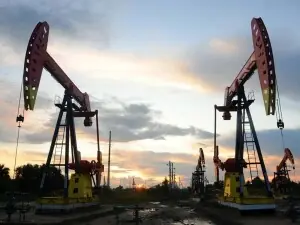
Referring to fuel prices, the minister said Pakistan remained vulnerable to fluctuations in global oil markets and had little choice but to adjust domestic prices accordingly. He advised the people to monitor international oil prices, which were readily available online.
Commenting on regional developments, he said Pakistan, along with friendly countries, had played a constructive role in facilitating an agreement aimed at reducing tensions.
Although some elements did not want such an agreement to succeed, he expressed the hope that a breakthrough would be achieved soon.
The federal minister said that the ongoing conflict had been affecting 193 countries and voiced optimism that the leadership of the United States and Iran would return to dialogue and reach an agreement.















Comments