


BHP resumes negotiations with Port Hedland iron ore unions
- Port Hedland is a major artery for Australia’s iron ore, through which $80 million of BHP’s iron ore transits each day
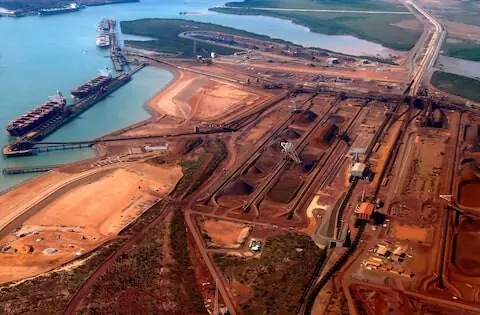

MELBOURNE: BHP has entered discussions with combined unions representing workers at Western Australia’s Port Hedland, the world’s biggest iron ore export hub, the company and the unions said on Tuesday, with prospects of further industrial action if an agreement is not reached.
Port Hedland is a major artery for Australia’s iron ore, through which $80 million of BHP’s iron ore transits each day.
The world’s largest listed miner has been in negotiations for more than seven months with unions representing approximately 450 operators and maintenance workers for a four-year enterprise agreement.
On Thursday, “well over” 100 workers at its Port Hedland iron ore operations downed their tools for an eight-hour stoppage, according to a union estimate. BHP had no immediate comment.
“It hasn’t seemed to have disrupted operations too much at the moment,” said portfolio manager Andy Forster of Argo Investments, which holds BHP shares.
“It’s clearly concerning if it starts to lead to further action and more interruptions,” he said, adding that for now, any impact appeared to be contained, and that BHP appeared hopeful an agreement could be reached.
The Electrical Trades Union, which represents electrical workers at Pilbara port, estimated that on average it was asking for an extra A$25,000 per worker for the 450 workers employed at the port.
Fly-in-fly-out roles, where workers commute by plane to remote mine sites, missing family time, could no longer compete with city conditions, the ETU said in a statement. “In the past, workers could double Perth wages if they worked in the Pilbara … This is no longer the case.”
Iron ore range-bound amid concerns over supply disruption
Its analysis found that wages for long-standing employees across BHP’s iron ore operations remained largely stagnant over the last five to six years, despite consistent corporate growth and rising living costs in regional and remote areas.
“In contrast, new hires are being offered higher rates to attract them to site, often creating a two-tiered workforce where experience is undervalued and equity is undermined,” it said.
Last week, electricians maintaining BHP’s high-voltage power network in Western Australia’s Pilbara region overwhelmingly backed strike action, escalating labour unrest. They will meet with BHP for talks on Thursday.


















Comments