


Global energy markets: implications for Pakistan are unforgiving
Tensions in the Strait of Hormuz highlight global energy market fragility, posing a significant threat to Pakistan's delicate economic recovery due to its reliance on imported oil.
- Pakistan's fragile economic recovery and inflation risks.
- Rising oil prices and Pakistan's import bill.
- The urgency of energy diversification and efficiency.
- Pakistan's diplomatic efforts for regional stability.
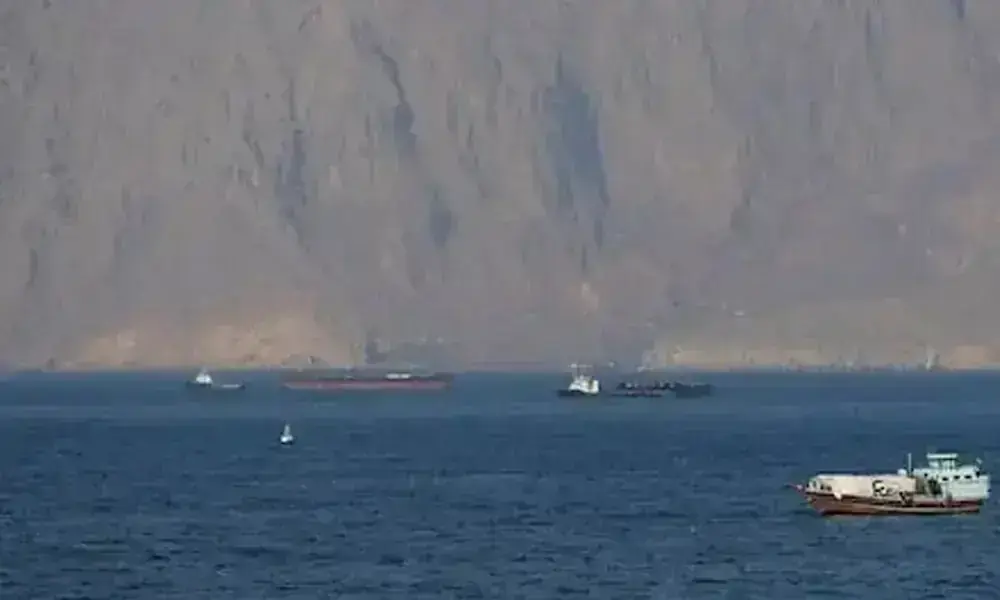
EDITORIAL: The latest flare-up around the Strait of Hormuz, briefly jolting oil prices higher and threatening an already fragile ceasefire, has once again underlined how precariously global energy markets are balanced.
Reports of heightened tensions in one of the world’s most critical chokepoints were enough to push crude benchmarks upward before easing slightly, a reminder that stability in prices now rests on little more than temporary restraint.
For Pakistan, the implications are immediate and unforgiving. The country has only just begun to stabilise its macroeconomic position after a bruising inflation cycle, and even that recovery remains fragile. The State Bank of Pakistan has already signalled concern about rising price pressures linked to energy costs, and policy tightening has resumed. Another sustained spike in oil prices would not merely complicate this outlook; it risks reversing it.
The memory of recent inflationary stress remains afresh. Households and businesses are still adjusting to elevated price levels, while borrowing costs have started to edge higher again. In such an environment, a renewed surge in fuel prices feeds quickly through the system, raising transport costs, pushing up production expenses and ultimately widening the gap between income and expenditure. The transmission mechanism is well understood because it has been experienced repeatedly.
What makes the current situation particularly concerning is the narrow margin for error. Pakistan’s external account remains sensitive to energy imports, and even moderate increases in oil prices translate into a significant rise in the import bill. This, in turn, places pressure on foreign exchange reserves and complicates fiscal planning. The cycle is familiar: higher oil prices, increased subsidies or levies, currency pressure and rising inflation.
Against this backdrop, Pakistan’s diplomatic engagement in the region carries added weight. The country has played a visible role in facilitating dialogue and supporting de-escalation efforts, including earlier rounds of direct Iran-US talks. Those efforts stopped the active war, and that contribution deserves recognition. Stability in the region is not an abstract goal; it is directly linked to Pakistan’s economic survival.
Yet the latest flare-up shows how tenuous that stability remains. A single incident in a strategic corridor can ripple across global markets within hours. The Strait of Hormuz handles a substantial share of the world’s oil supply, and any perceived disruption triggers immediate reactions from traders and policymakers alike. Even when tensions subside quickly, the underlying risk does not disappear. It lingers, shaping expectations and pricing.
This is where the “writing on the wall” becomes difficult to ignore. Pakistan’s exposure to such shocks is not new, and the structural dependence on imported fossil fuels has been highlighted during every previous episode of volatility. Each time, the need for diversification, efficiency and long-term energy planning is acknowledged. Each time, progress falls short of what is required.
The current episode reinforces the urgency of that agenda. Managing short-term shocks through pricing adjustments or temporary conservation measures may ease immediate pressure, but it does not address the underlying vulnerability. A sustained strategy to reduce reliance on imported oil, expand alternative energy sources and improve efficiency across sectors remains essential.
There is also a need for clearer alignment between external and internal policy. Diplomatic efforts to stabilise the region are necessary and should continue. However, they must be complemented by domestic measures that reduce the economy’s sensitivity to external disruptions. Without that parallel adjustment, even successful mediation efforts offer only temporary relief.
The global situation remains fluid. For Pakistan, the lesson is not in the immediate price movement but in the pattern it represents. External shocks will recur. The question is whether the economy is prepared to absorb them.
At present, the answer remains uncertain. The signs of recovery are visible, but they rest on a foundation that is still exposed to forces beyond the country’s control. Recognising that vulnerability is the first step. Acting on it, consistently and decisively, is the challenge that remains.
Copyright Business Recorder, 2026


















Comments