


ME conflict: SBP says uncertainty may hurt financial stability prospects
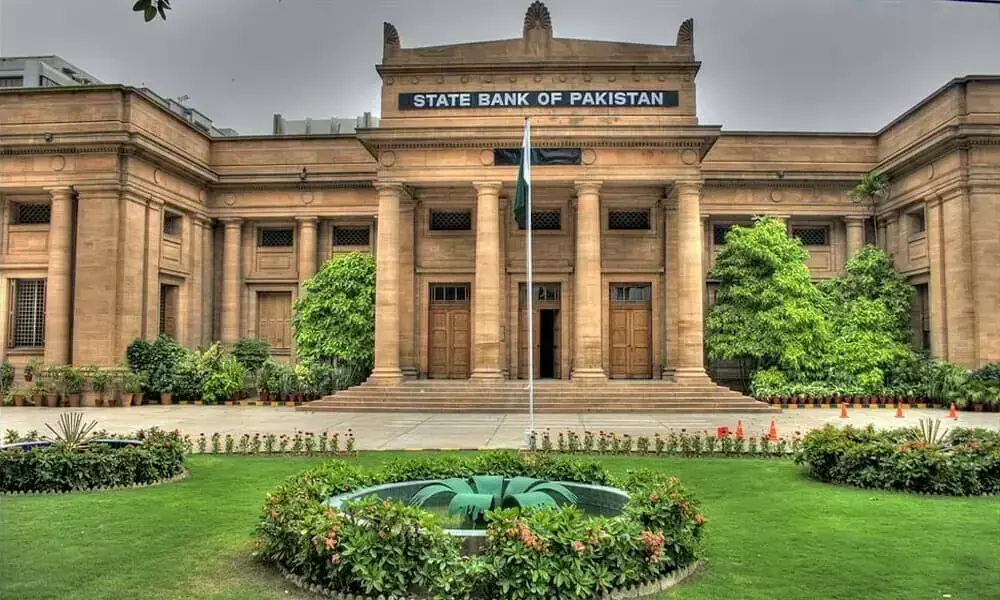

KARACHI: The State Bank of Pakistan (SBP) said on Tuesday that the uncertainty around the Middle East conflict may pose challenges to financial stability prospects.
According to Financial Stability Review (FSR) for CY25 issued by the SBP, while the recently achieved macroeconomic stability presents a sanguine outlook for financial stability, the uncertainty around the conflict in the Middle East may pose downside risks.
However, the SBP said that being cognizant of prevailing and emerging risks, it will continue to endeavor to utilize the available toolkit and capabilities to achieve price stability, ensure financial stability, and promote sustainable economic growth.
READ MORE: SBP governor says economy resilient despite ME conflict
A protracted and widespread conflict may keep oil prices higher for longer and disrupt global supply chains. With the ongoing conflict in the Middle East and a sharp rise in global oil prices, inflationary pressures are expected to intensify, while the external account may come under strain, potentially affecting the country’s growth momentum in the months ahead, it warned
The SBP mentioned that the latest Systemic Risk Survey, conducted in January 2026, also indicates that independent experts foresaw geopolitical risk as the topmost risk at present as well as six months down the road. This risk may have spillover effect on the banking and financial sector of Pakistan.
Nonetheless, the banking sector remains well positioned to absorb severe shocks, underpinned by strong capital buffers and supported by prudent, well-tested supervisory and crisis management frameworks that have proven resilient during past episodes of macroeconomic stress.
The results of the SBP’s latest stress tests also strengthen this view, indicating that the banking sector in general and large systemically important banks in particular are expected to remain solvent, exhibit resilience and can withstand even severe shocks over the projected horizon of three years.
Preserving the hard-earned stability gains as well as improvement in productivity growth and export competitiveness are crucial policy priorities as these will determine the durability of a sustainable macroeconomic momentum.
Encouragingly, Pakistan successfully concluded staff level agreement with the IMF on Third Review under the Extended Fund Facility (EFF) and Second Review under the Resilience and Sustainability Facility (RSF) in March 2026. The disbursement of the installment is expected to be approved by the IMF Board in early May 2026.
Copyright Business Recorder, 2026




















Comments