


NGC holds first workshop on transmission infrastructure issues
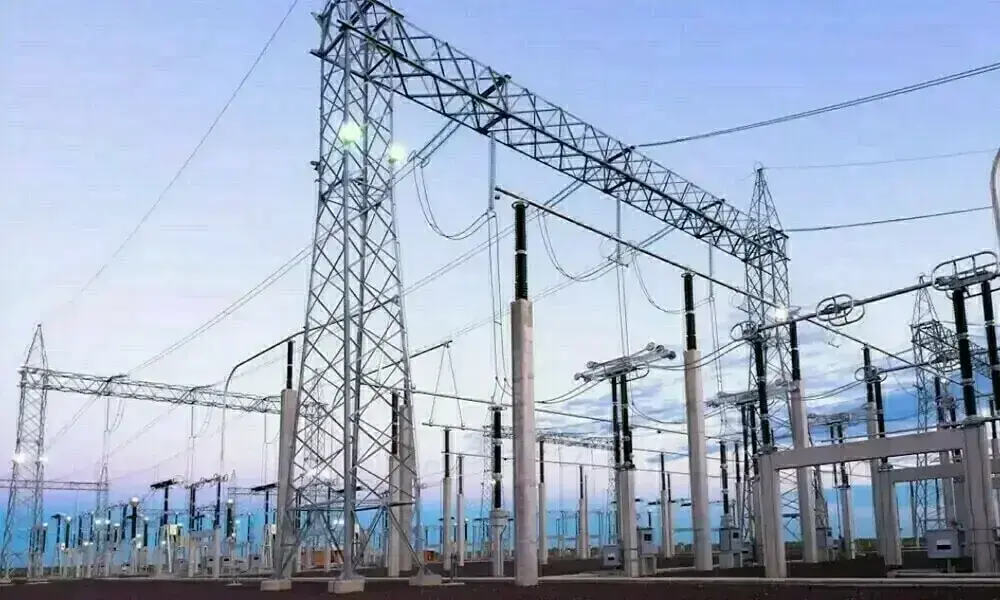
LAHORE: The National Grid Company of Pakistan (NGC) held its first-ever workshop on right-of-way (ROW) issues in transmission infrastructure at the Lahore University of Management Sciences (LUMS).
The event brought together legal experts, development partners and power sector stakeholders to chart a path toward a modern legal and operational framework for resolving land access challenges that continue to affect the reliable and timely delivery of Pakistan’s power transmission network.
Speakers highlighted ROW constraints, particularly the legal and practical challenges of securing land access for transmission lines and related infrastructure that remain one of the most persistent barriers to grid expansion in Pakistan. They observed that delays in land acquisition directly lead to cost overruns, reduced grid reliability, and slower delivery of affordable power to communities nationwide.
The session was opened by Maria Rafique, Chief Law Officer of NGC, who outlined the workshop’s objectives and framed the day as the beginning of a sustained, structured effort to build a governance model fit for Pakistan’s growing transmission needs.
In his keynote address, Dr Fiaz Ahmad Chaudhry, Chairman of the NGC Board, said: “Century-old legal frameworks require corrective measures.”We need to move from a reactive posture to a proactive one anticipating challenges, modernizing our tools, and building frameworks that serve today’s development needs,” he stated.
A recurring theme throughout the day was the urgent need to reform the Land Acquisition Act (LAA) of 1894 colonial-era legislation that continues to govern land acquisition in Pakistan despite being fundamentally misaligned with current infrastructure realities.
Irfan Ali, Chairman of the CPPA-G Board and Guest of Honour, emphasized that fair and equitable treatment of landowners is not just a legal obligation but a practical imperative. “An approach grounded in fairness reduces grievances, minimizes litigation, and keeps projects on track,” he said, adding: “Reform of the LAA is overdue.”
NGC’s Legal Consultant, Dr. Daud Munir, delivered a detailed presentation on the existing regulatory landscape, highlighting gaps between the current legal framework and operational needs, and proposing the key elements of a modern ROW framework for large-scale transmission development.
Copyright Business Recorder, 2026

























Comments