


India rapeseed sales shift to private traders as war lifts edible oil prices
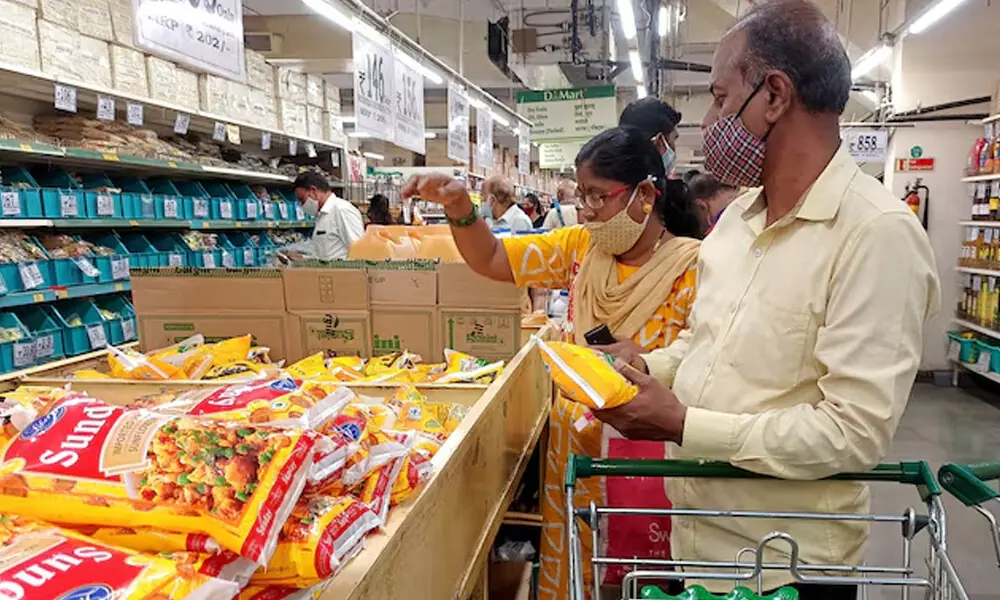
MUMBAI: Indian farmers are selling rapeseed to private traders as market prices remain well above government procurement rates, driven by a rally in edible oil prices linked to the Iran war.
Domestic oilseed prices in India, the world’s largest importer of vegetable oils, tend to track international benchmarks, which have surged on expectations that the conflict will boost edible oil use in biofuels.
The private sales are accelerating the pace of rapeseed crushing in India, easing reliance on costly imports of palm oil, soy oil and sunflower oil, which account for nearly a third of its cooking demand.
“In the open market, we’re getting around 7,000 rupees, so there’s no point going to government procurement centres,” said Roop Singh, a farmer in Bharatpur district in the northwestern state of Rajasthan, the country’s biggest rapeseed producer.
READ MORE: India’s sugar, edible oil demand drops as commercial gas shortages hit restaurants
State-run agencies buy crops from farmers at the minimum support price, set at 6,200 rupees per 100 kg for rapeseed mustard.
Rapeseed prices in India typically start falling from March as supplies from the new-season crop increase, but this year they have climbed about 9% since the start of the month.
“There is crushing parity in rapeseed, as demand is robust for both rapeseed oil and rapeseed meal. Oil mills are aggressively purchasing rapeseed from farmers for processing,” said Anil Chatar, a leading trader based in Jaipur in Rajasthan.
A sharp rise in Chinese purchases of India’s rapeseed meal is also helping prices to hold firm, after Beijing imposed a 100% retaliatory tariff on rapeseed meal and oil imports from its main supplier Canada in March last year.
China’s rapeseed meal imports from India surged to 771,435 metric tons between April 2025 and February 2026, from 24,044 tons in the same period a year earlier, according to the Solvent Extractors’ Association of India.
India’s rapeseed output in 2026 is likely to rise 3.6% from a year ago to a record 11.94 million tons, said B.V. Mehta, executive director of the SEA.
The south Asian country mostly imports edible oils from Malaysia, Indonesia, Brazil, Argentina, Ukraine and Russia.

















Comments
Comments are closed for this article.