


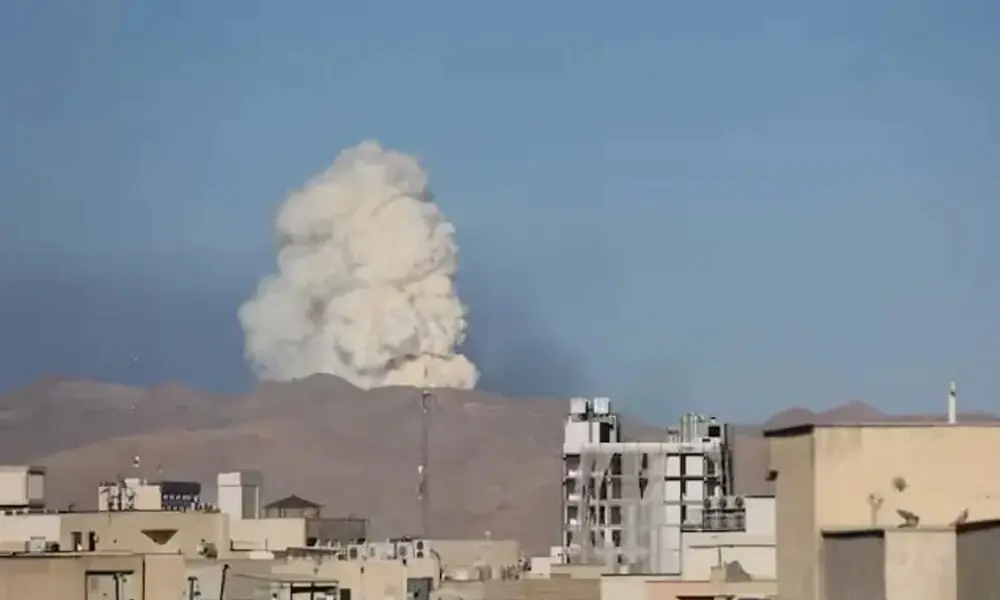
This is apropos a letter to the editor titled ‘the uncertain endgame of the Iran war’ carried by the newspaper yesterday.
The leadership vacuum created by early strikes has been quickly filled. Replacement commanders have taken control of military units, administrative institutions continue to function, and the constitutional process for confirming or selecting national leadership is underway. This rapid institutional continuity reflects a fundamental design feature of the Iranian political system: it was built to withstand external shocks.
The result is a strategic paradox. Iran’s military infrastructure has been degraded, but its governing system survives. Wars aimed primarily at destroying weapons systems can achieve impressive tactical results while failing to achieve strategic victory if the political structure directing those weapons remains functional.
Iran’s history over the past four decades illustrates this resilience. The country has endured sanctions, economic isolation, technological restrictions, and sustained geopolitical pressure. During that period, Iran invested heavily in domestic industrial capabilities, scientific research, and decentralized defense production. The destruction of physical facilities therefore does not eliminate the technical knowledge, engineering expertise, or human capital that produced them. As long as these capabilities remain embedded within the state’s institutions, rebuilding remains possible.
Copyright Business Recorder, 2026
The writer is a former Press Secretary to the President, An ex-Press Minister at Embassy of Pakistan to France, a former MD, SRBC Macomb, Detroit, Michigan













Comments
Comments are closed for this article.