


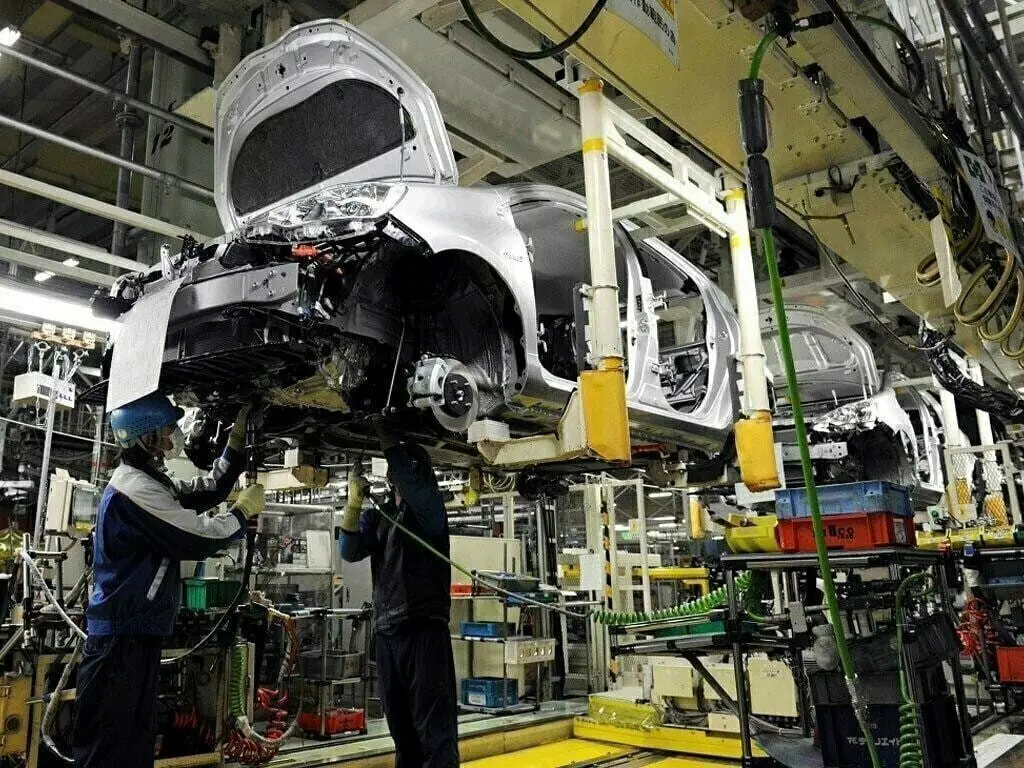

ISLAMABAD: Pakistan’s automobile industry remains structurally uncompetitive due to high entry barriers, inconsistent policies, and market distortions, the Competition Commission of Pakistan (CCP) warned in its automobile sector study. These challenges are limiting investment, innovation, and consumer welfare, the report notes.
The study highlighted that market contestability - the ease with which new firms can enter and compete — is constrained by restrictive import policies, shifting tariffs, strict localisation requirements, and limited access to technology and financing. Macroeconomic instability, supply chain disruptions, and the absence of a predictable long-term industrial policy have further increased business risks, discouraging new entrants.
Despite these hurdles, Pakistan’s auto sector has notable strengths, including an established vendor base producing advanced components, growing assembler capacity, and strong employment linkages supporting hundreds of thousands of jobs. However, installed production capacity of over 400,000 units remains underutilised, with actual output below 200,000 vehicles annually, driving up costs and limiting competitiveness.
The CCP identified large-scale imports of used vehicles, high energy tariffs, expensive financing, and reliance on imported raw materials as major threats. Used car imports alone account for up to 20-25 percent of the market, suppressing demand for locally assembled vehicles and weakening localization.
While incentives under previous policies attracted new players — expanding assemblers from three to 13 — entry barriers remain high due to massive capital requirements, technology dependence, and compliance with international safety and environmental standards. Consumers face high prices, limited financing, and low bargaining power, keeping car ownership among the lowest in the region despite rising demand for quality, safety, and after-sales services.
The CCP stressed that long-term policy predictability, transparent multi-year tariff and regulatory frameworks, closing loopholes in import schemes, establishing testing and certification facilities, and strengthening vendor financing and export incentives are critical. “Reducing entry barriers, ensuring policy consistency, and strengthening regulatory credibility will be essential to attract investment, foster innovation, and improve consumer welfare,” the study concluded.
This report comes as Pakistan seeks to revive industrial growth and build a globally competitive automobile industry amid persistent economic challenges.
Copyright Business Recorder, 2026



















Comments