


10% tariff reduction: Textile Council urges PM to engage US through all channels
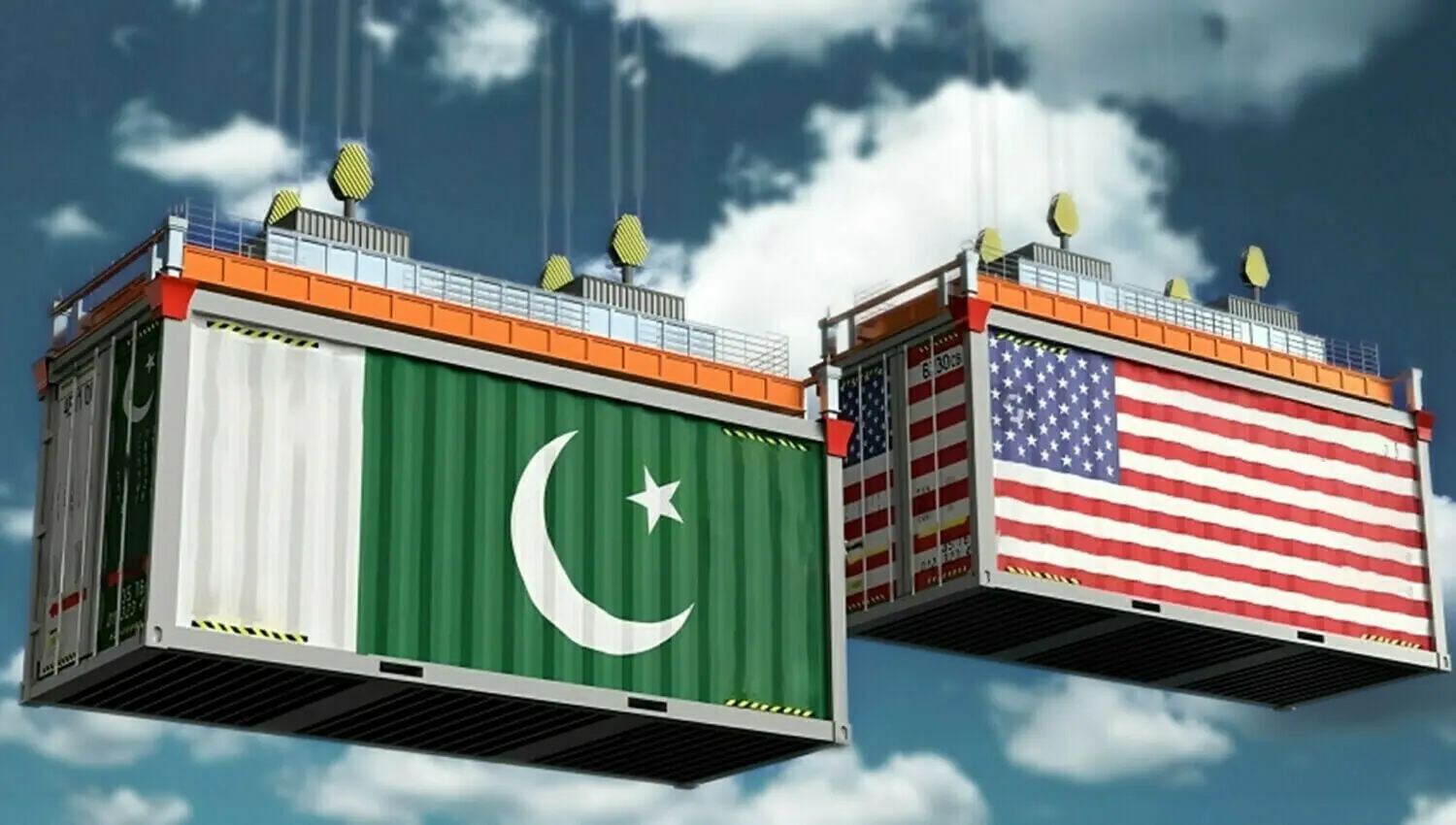
ISLAMABAD: Pakistan Textile Council (PTC) has asked the Prime Minister Shehbaz Sharif that Pakistan urgently and proactively utilise all available diplomatic, strategic, and commercial channels to engage the US administration for reduction of Pakistan’s reciprocal tariff to around 10 percent.
According to a communication of PTC to the Prime Minister, the reduction in electricity tariffs for industry and the timely lowering of Export Refinance Facility (ERF) rates have sent a strong and much-needed signal of intent to sustain exports and employment during a period of tight macroeconomic conditions.
The PTC would also like to recall and acknowledge PM’s earlier responsiveness to our request for high-level engagement with the United States following the imposition of “reciprocal tariffs” on a number of trading partners, including Pakistan.
READ MORE: New export support welcomed: PTC seeks to quell concerns over India-EU trade deal
However, recent international developments have made this issue considerably more pressing, as following months of negotiations, the United States and India have reached a trade understanding under which India’s reciprocal tariff has been reduced to 18 percent from 50 percent, alongside a broader package of trade, energy, and strategic commitments.
As a result, India now enjoys a tariff advantage of approximately one percentage point over Pakistan in the U.S. market.
While this may appear modest in isolation, its impact is amplified by the fact that Pakistan’s cost of doing business is already structurally higher than India’s, particularly due to taxation, energy costs, and input inefficiencies. For labour-intensive sectors such as textiles and apparel, operating on thin margins, this differential has a multiplier effect on pricing, buyer sourcing decisions, and long-term order retention.
This challenge is further intensified by India’s recently approved USD 5 billion industrial support package (November 2025) and its aggressive export-oriented reforms. At the same time, the India–EU Free Trade Agreement is becoming operational, making it equally critical for Pakistan to ensure the continuity of GSP Plus, alongside pursuing long-pending structural reforms, including rationalization of taxation and restoration of zero-rated regimes for export-oriented inputs.
In this context, we respectfully submit that Pakistan may consider leveraging the positive institutional rapport enjoyed by its leadership, including the strong working relationship between the Chief of Army Staff, Field Marshal Lt General Asim Munir, and President Donald Trump, as part of a coordinated national engagement effort with the
United States. In parallel, it is imperative that Pakistan urgently and proactively utilize all available diplomatic, strategic, and commercial channels to engage the U.S. administration with a view to securing meaningful tariff relief.
Given Pakistan’s constrained economic circumstances under the IMF program, its strategic partnership with the United States, and the relief already extended to several other countries, a reduction of Pakistan’s reciprocal tariff to around 10 percent would be both reasonable and defensible.
Such an outcome would help preserve Pakistan’s competitiveness in the US textile and apparel market, safeguard export revenues and employment in one of the country’s largest formal sectors, reinforce confidence among US buyers at a time of heightened global uncertainty, and complement the difficult but necessary domestic adjustments already undertaken under the IMF programme.
The PTC remains fully available to support the government in this effort and would welcome the opportunity to contribute industry insights to any delegation or engagement framework pursued with the United States, it added.
Copyright Business Recorder, 2026






















Comments
Comments are closed for this article.