




SHANGHAI: Shanghai stocks fell the most in nearly 10 months on Monday while Hong Kong shares had their worst day since November as a rout in commodities markets hit sentiment across the region. Risk appetite was also dented by China’s disappointing manufacturing activity data and deteriorating fiscal revenue growth. The Shanghai Composite Index slumped 2.5 percent, the biggest percentage loss since April 7. China’s blue-chip CSI300 Index lost 2.1 percent.
In Hong Kong, the Hang Seng Index dropped 2.2 percent, the worst performance in two months.
Commodities markets slumped on Monday, led by deep losses in gold, silver, oil and industrial metals as the choice of Kevin Warsh as the next Fed chair set off a wave of selling in risk assets.
Investors view Warsh as hawkish, which may indicate interest rates will stay higher for longer, supporting the dollar and raising the opportunity cost of gold and silver, dimming their appeal.
Charles Wang, chairman of Shenzhen Dragon Pacific Capital Management Co, said gold prices were at “speculative and bubbly levels” before the collapse, but did not expect the contagion to knock down China stocks.
“It’s a butterfly effect,” Wang said, adding that financial markets are complex systems vulnerable to a confluence of factors, sometimes beyond understanding. But he said for China stock investors, the decline may create buying opportunities in a market where authorities prioritise stability. Commodity stocks led the declines on Monday.
An index tracking China’s non-ferrous metal stocks tumbled 8 percent. China’s CSI SSH Gold Equity Index tanked 9 percent for a second consecutive session.
Shares of listed gold miners, including Sichuan Gold Co, Shanjin International Gold Co and Zhaojin International Gold, all fell by 10 percent, the most allowed for the day. In Hong Kong, the Hang Seng Materials Index slumped 6 percent. Sentiment was also soured by an official survey showing China’s factory activity faltered in January as weak domestic demand dragged down production at the start of the new year.
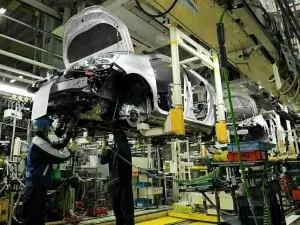
These disappointing outcomes, “coupled with deteriorating fiscal revenue growth and a sharp contraction in auto sales, lend additional support to our view of a demand cliff,” Nomura chief China economist Lu Ting said.
Shares fell across the board in Hong Kong, with biotech , chipmaking and telecom stocks among the worst performers. In China, market losses were tempered by gains in liquor , consumer and financial stocks.


















Comments