


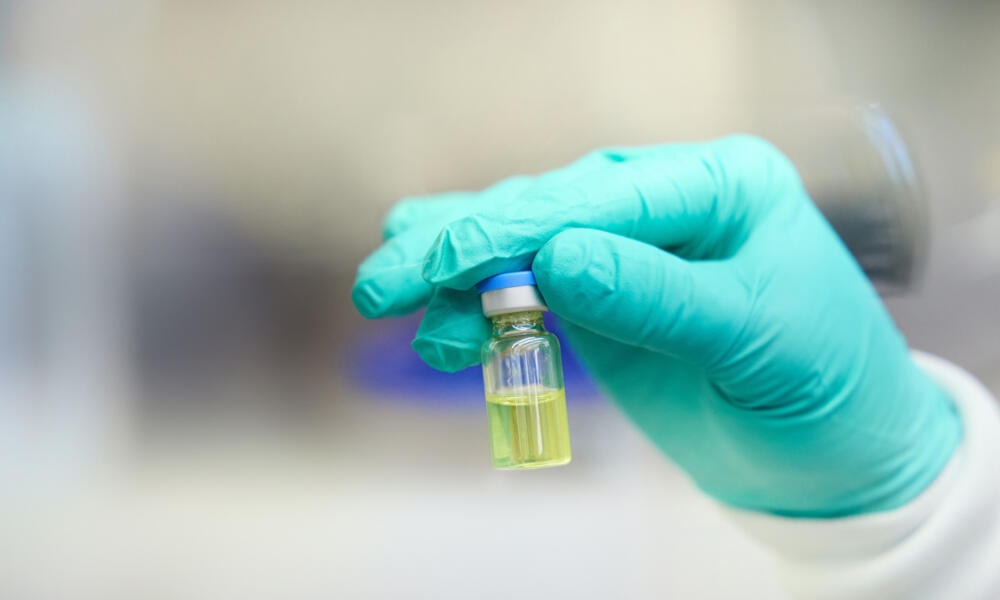

JOHANNESBURG: South Africa, Eswatini and Zambia on Monday began administering a groundbreaking new HIV-prevention injection in the drug’s first public rollouts in Africa, which has the world’s highest HIV burden.
Lenacapavir, which is taken twice a year, has been shown to reduce the risk of HIV transmission by more than 99.9 percent, making it functionally akin to a powerful vaccine.
In South Africa, where one in five adults lives with HIV, a Wits University research unit oversaw the rollout as part of an initiative funded by Unitaid, the United Nations health agency.
“The first individuals have begun using lenacapavir for HIV prevention in South Africa... making it among the first real-world use of the six-monthly injectable in low- and middle-income countries,” Unitaid said in a statement. It did not specify how many people received the first doses of the drug, which cost $28,000 per person a year in the United States. A broader national rollout is expected next year.
Neighbouring Zambia and Eswatini received 1,000 doses last month as part of a US programme and launched the drug at World AIDS Day ceremonies on Monday.
In Eswatini’s Hhukwini constituency, dozens lined up for the shot at a lively public event filled with song and dance.
“Today marks a turning point in our national HIV response,” said Prime Minister Russell Dlamini, adding that the injection “gives us fresh hope and a powerful tool to protect our citizens”.
Under the US programme, manufacturer Gilead Sciences has agreed to provide lenacapavir at no profit to two million people in countries with a high HIV burden over three years. But Washington — at odds with Pretoria over several policy issues — will not provide doses to South Africa despite its participation in clinical trials.
“Obviously, we encourage every country, especially countries like South Africa, that have significant means of their own to fund doses for their own population,” Jeremy Lewin, a senior US State Department official, told reporters late last month.




















Comments
Comments are closed for this article.