


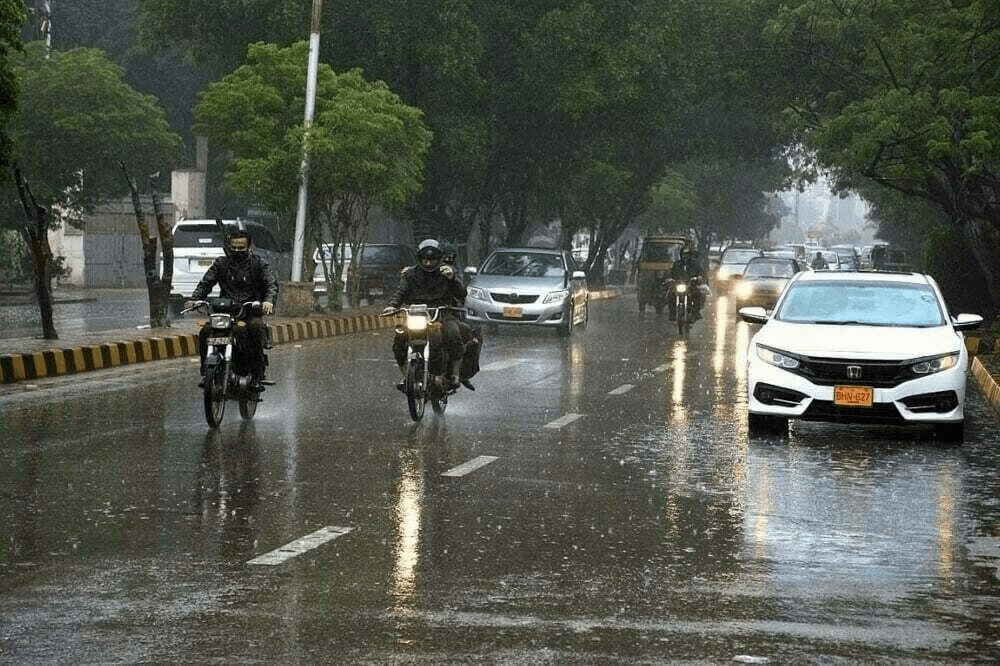
EDITORIAL: The recent warning by the National Disaster Management Authority (NDMA) that Pakistan is likely to receive 22–26 percent above-normal rainfall during the 2026 monsoon season warrants serious attention in a country repeatedly battered by climate-driven disasters. Speaking to journalists alongside Minister for Climate Change Musadiq Malik, NDMA Chairman Lt-Gen Inam Haider Malik recalled that 3.1 million people had to be relocated to safe areas during this year’s monsoon — a sobering reminder of the scale of vulnerability communities continue to face.
He also underlined the importance of the early warning system, which alerts provincial governments six to eight months in advance. While such long-range forecasts are invaluable, he rightly stressed that timely weekly alerts, if fully acted upon, can greatly improve the effectiveness of precautionary measures. Early warnings, however, save lives only when the institutions receiving them are properly prepared, adequately resourced, and willing to take swift action — a gap that has too often persisted.
Meanwhile, Prime Minister Shehbaz Sharif has directed the relevant authorities to begin early preparations for the 2026 monsoon. His order for the immediate implementation of a short-term plan drafted by the Ministry of Climate Change — though its details remain unavailable — signals the urgency the situation demands. His call to convene a meeting of the National Water Council also reflects recognition of the need for a more integrated approach to water management, flood control, and long-term climate resilience. Yet, a focus on short-term challenges alone will not suffice. Pakistan’s recurring cycles of flooding, displacement, and emergency relief underscore the costs of reactive governance, where action frequently comes only after lives and livelihoods have been disrupted or lost. Learning from past mistakes, especially those exposed during the catastrophic floods of 2010 and 2022, is essential. A sustainable long-term strategy must include the construction of water reservoirs, improved river embankments, modernized urban drainage systems, and strict enforcement of zoning laws to prevent settlements from obstructing water flows in high-risk floodplains. Equally important are better land-use planning and investment in nature-based solutions, such as preserving wetlands and expanding forest cover.
Much of this work depends on financial readiness. Federal and provincial governments need to establish dedicated emergency funds that can be deployed rapidly for relief, rescue, and rehabilitation. Too often, aid arrives late, and recovery efforts are slowed by bureaucratic delays and inadequate budgets. Pre-allocated resources would enable authorities to respond efficiently and effectively, rather than scrambling to improvise under pressure.
The NDMA’s warning provides ample time for the authorities to strengthen systems that can prevent the devastation seen in previous monsoon seasons. Preparedness efforts undertaken today will determine whether millions of Pakistanis can be spared displacement and other losses in the years to come.
Copyright Business Recorder, 2025




















Comments
Comments are closed for this article.