


Benchmark JGB yields retreat from 17-year high as cabinet approves stimulus plan
- The 10-year JGB yield fell 3 basis points (bps) to 1.785%
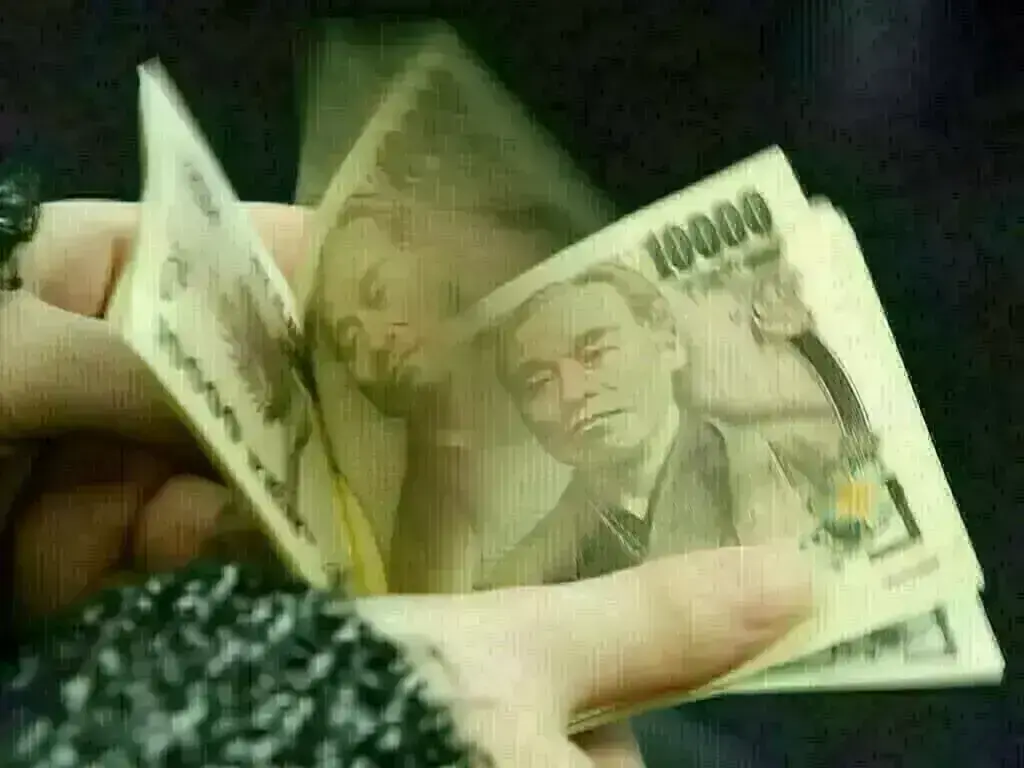
TOKYO: Benchmark Japanese government bond yields (JGBs) retreated from a 17-year high on Friday after Prime Minister Sanae Takaichi unveiled her massive economic stimulus plan.
The 10-year JGB yield fell 3 basis points (bps) to 1.785%, down from as high as 1.835% in the previous session, the highest since June 2008.
It’s set for an 8 bps jump this week that would be the sharpest increase since mid-August.
Super-long-term JGB yields surged to record levels on Thursday as details about Takaichi’s stimulus plan spurred concerns about the nation’s financial health.
Japan’s cabinet on Friday approved the 21.3 trillion yen ($135.38 billion) spending package that is significantly larger than the previous year’s.
But the plan may not be as big a hit to Japan’s finances as feared, given the nation’s quickening economic growth, while a large share of the announced spending will come from recycled funds, said Cameron Systermans, head of multi-asset in Asia for investment consulting firm Mercer.
“I think a lot of the moves have potentially already happened at the long end (of the JGB yield curve),” Systermans said.
“Now with yields backing up to attractive levels, I think it’s getting where lot of asset owners, be they pensions or insurers, are looking at switching from global back to Japanese yields,” he added.
Yields fell further after Takaichi said in a speech following the package’s approval that it would be funded with new bond issuance if tax revenue is not sufficient, and overall JGB issuance is expected to be smaller than last year’s.
In the seven weeks since fiscally dovish Takaichi won a party election that set her on the path to become Japan’s first female premier, the yen has lost about 6% against the dollar and the 10-year US-Japan interest rate gap has narrowed about 11 bps.
Takaichi’s ascendancy to the prime minister’s office pushed out expectations of policy tightening by the Bank of Japan, but with the yen’s rapid depreciation of late, chances of near-term interest rate increases have come back into view.
The BOJ will discuss at upcoming policy meetings the feasibility and timing of a rate hike, Governor Kazuo Ueda said on Friday.
The 20-year JGB yield slid 5.5 bps to 2.795%, down from a quarter-century peak.
The 30-year yield fell 5.5 bps to 3.32%, and the 40-year yield sank 6.5 bps to 3.68%, both down from unprecedented levels.




















Comments
Comments are closed for this article.