


India races to reform financial sector as foreigners pull USD17bn
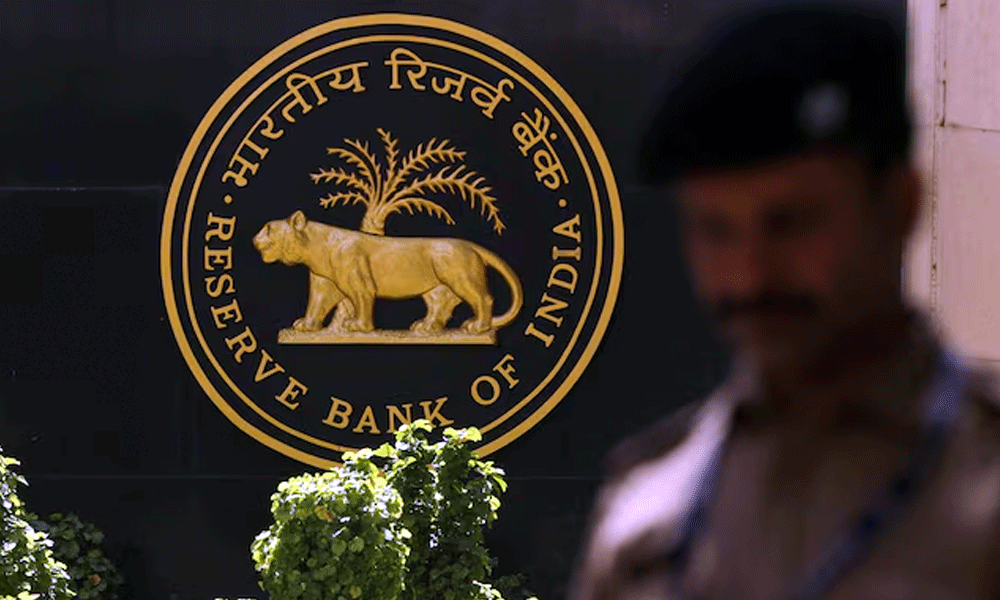
MUMBAI: Rattled by nearly USD17 billion in foreign outflows this year, India is doubling down on financial sector reforms in a push to beef up capital buffers and lift investment in the country amid wider worries about the economic hit from U.S. tariffs.
Several measures to anchor foreign participation and boost credit have already been announced by the central bank and market regulator in recent months. These include quicker pathways for companies to list and foreign funds and overseas lenders to enter and rules that allow corporates to borrow more easily and banks to finance mergers.
Other areas of regulatory easing in India’s USD260 billion financial sector are under discussion to be rolled out over the next six-to-12 months, said six regulatory and market sources with knowledge of the matter.
The possible changes include bolstering capital market participation by mom-and-pop investors in smaller towns and further easing banking regulations, said the sources.
The dismantling of decades-old restrictions comes as Prime Minister Narendra Modi pushes for greater economic self-reliance after concerns about the hit to India’s growth from punitive U.S. tariffs unnerved foreign investors.
The sources declined to be named as they were not authorised to speak to the media.
The central bank did not respond to a Reuters request for comment on new possible easing measures. A SEBI spokesperson, in response to Reuters queries, said it has introduced 11 “major reforms” for foreign investors to improve their access to India and enhance India’s global competitiveness.
“There is an increased focus on ease of doing business and the regulatory cholesterol clogging up the financial sector is being cleared,” said Srini Srinivasan, managing director, Kotak Alternate Asset Managers, which manages USD20 billion in assets.
CREATING INVESTOR-FRIENDLY ENVIRONMENT
Foreign investors have net sold nearly USD17 billion in Indian equities this year, compared with USD124 million in inflows in 2024 and USD20 billion in 2023. The sell-off has made India the worst-hit Asian market in terms of foreign portfolio withdrawals.
The gradual loosening in India coincides with the initiatives China has unveiled, opens new tab in recent months, including opening its stock option market to foreign investors and expanding foreign access to its bond repurchase market.
India’s economy is seen growing 6.8 percent in the fiscal year to March 31, 2026, according to the Reserve Bank of India (RBI) estimates, compared to 6.5 percent in the previous year, but below the central bank’s “aspirational” growth of about 8 percent.
The regulatory changes are intended to be pro-business and revive foreign investment and boost growth, the sources said.
Vikas Pershad, a Singapore-based India portfolio manager in the Asia Pacific Equities team at M&G Investments, which manages USD443 billion in client assets, said the regulatory easing and strong growth outlook are among reasons for investors to stay “constructive” on India.
“This year’s concerted efforts to ease certain regulatory requirements ... have certainly not gone unnoticed,” said Pershad.
“As long-term investors in India, we believe these steps are meaningful in creating a more accessible and investor-friendly environment.”






















Comments
Comments are closed for this article.