


Indian solar firms tweaking supply chains to navigate US tariffs
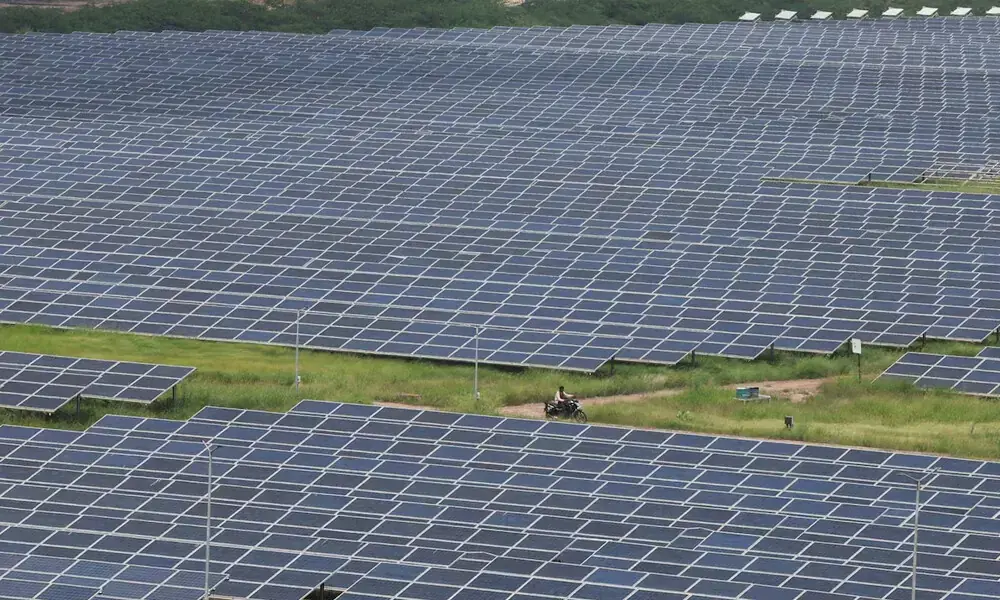

NEW DELHI: Indian solar manufacturers have begun recalibrating their supply chains to maintain access to the lucrative United States market and offset higher tariffs, according to executives.
U.S. President Donald Trump’s tariffs of up to 50% on most exports from India, among the highest for any U.S. trading partner, went into effect on August 27.
In a post-earnings call with analysts on Friday, Vikram Solar which has 15% of its current order book tied to the U.S., said it is navigating the tariff structure by sourcing solar cells from countries with lower duties.
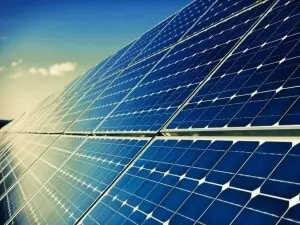
For solar modules, U.S. tariffs are based on the country where the solar cell was manufactured—specifically, where the cell’s PN junction (the part that generates electricity) was formed.
So even if a module is assembled in India, the U.S. will apply tariffs based on the country of origin of the cell inside.
“We are exploring alternative supply chains from countries with significant cell capacities that have lesser levies than what India does,” said Rinal Shah, a top executive at Vikram Solar.
Indian power regulator takes up solar firms’ plea on losses due to transmission delays
The company did not specify if the tariffs had any impact on its September quarter earnings, but expressed confidence in fulfilling U.S. orders despite the tariff headwinds.
Waaree Energies India’s top solar module maker and among the top exporters to the U.S., said it was not using domestically manufactured solar cells for the United States because that would attract higher tariffs.
The company is also under investigation by the U.S., which has alleged that it sidestepped the country’s tariffs on Chinese-made cells and panels by labelling them as made in India. Waaree has refuted these allegations.
Waaree CEO Amit Paithankar said in an analyst call on Friday that the supply chain for the U.S. is completely China-free, and that the company abides by prevailing laws and rules.
“We have also configured it in such a way that the tariff problems associated with that (exports) are the lowest,” Paithankar said.
Waaree added that its orders have not been impacted yet due to the tariffs and the U.S. trade investigation.






Comments
Comments are closed for this article.