


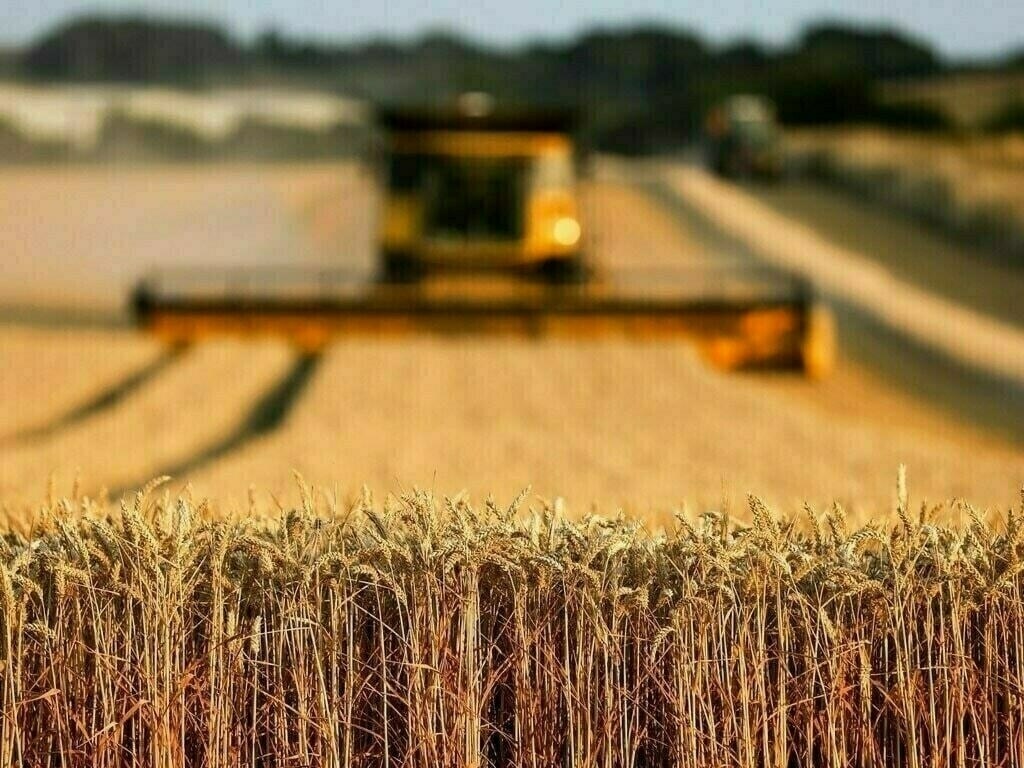

Pakistan’s agriculture sector, which employs over 37 percent of the labour force and contributes nearly 23.54 percent to the country’s GDP, is under rising pressure from environmental disturbances, water shortage, market volatility, shifting agro-ecological zones, and crop diversity.
In current times, however, this sector has begun to adopt a quiet transformation empowered by digital innovations. From smartphone applications and satellite imagery to real-time weather forecasts and e-extension & knowledge sharing platforms, growers, especially smallholders, have been starting to access ICT tools that were once out of their reach.
In districts like Multan, Shujabad, and Umerkot, the usage of smartphone-based extension services is assisting growers to plan irrigation, respond to pest-insect diseases, and judicious use of inputs. Rizwan Hashmi, a cotton farmer from Kabirwala, recalls using an app that sent pest alerts in advance of a regional infestation. “I followed the advice and sprayed early, my agricultural output did not affect, unlike other farmers,” he shared. These success stories, though scattered, are becoming increasingly common as ICTs penetrate in farming communities.
International partners have also played a catalytic role. The Food and Agriculture Organization (FAO), in collaboration with provincial governments and the Green Climate Fund (GCF), launched the Transforming the Indus Basin with Climate Resilient Agriculture and Water Management project.
The initiative spans eight vulnerable districts in Punjab and Sindh, aiming to build climate resilience among 1.3 million farmers. It combines capacity building with digital tools using geospatial data, weather modelling, and field-level advisory systems to support climate-smart agriculture.
The principal author participated as a keynote speaker in FAO’s results-sharing forum for this project; he had the opportunity to engage with FAO representatives, field officers, farmer groups, and policymakers.
The conversations highlighted both the scale of the impact and the challenges still ahead. What was most evident was the eagerness of local communities to adopt digital solutions once they were accessible, relevant, and supported through training. It became clear that technology alone is not enough; successful transformation depends on trust, language localization, and sustained institutional engagement.
FAO has also supported the development of Pakistan’s first national e-Agriculture strategy and organized innovation challenges to crowdsource local digital solutions. A noteworthy example includes a shared-machinery platform launched in South Punjab, allowing smallholders to rent precision equipment like laser levellers and seeders, cutting costs and improving soil efficiency.
WWF-Pakistan, while not directly involved in ICTs development, contributes to the broader enabling environment. Its work on sustainable agriculture, biodiversity conservation, and eco-farming aligns with digital agriculture’s goals by promoting practices that make tech-driven interventions more effective and ecologically sound, particularly in climate-sensitive areas like Tharparkar and southern Sindh.
Despite progress, hurdles remain. Poor rural internet access, limited smartphone penetration, and digital illiteracy still prevent many farmers from taking full advantage of these tools. To overcome this, more investment is needed in infrastructure, local-language content, and hands-on extension support.
Private-sector innovation, backed by public policy and international expertise, will be crucial in scaling solutions.
The potential, however, is undeniable. From satellite-guided crop monitoring in Faisalabad to mobile-based fertilizer recommendations in Sanghar, ICTs are reshaping Pakistan’s agricultural landscape. With the right vision, partnerships, and farmer-centric design, digital agriculture can offer not only greater agricultural productivity but a pathway to resilience in an increasingly uncertain climate future.
(Manan Aslam is affiliated with the School of Management, Jiangsu University, P.R. China, and the Department of Agribusiness and Entrepreneurship Dev elopment, MNS-University of Agriculture, Multan, Pakistan. Connect with him on LinkedIn: linkedin.com/in/mananaslam, Waleed Ahmad is affiliated with FAO-Pakistan.
Connect with him on LinkedIn: linked in.com/in/waleed-ahmad-b39035116 and Rao Izhar-ul-Haq is affiliated with WWF-Pakistan. Connect with him on LinkedIn: linked in.com/in/rao-izhar-9baab8289. They have co-authored multiple articles on ICTs adoption in agriculture & agribusiness in leading dailies and SCI/SSCI/Scoupus indexed journals)
Copyright Business Recorder, 2025
The writer is affiliated with the School of Management, Jiangsu University, P.R. China, and the Department of Agribusiness and Entrepreneurship Development, MNS-University of Agriculture, Multan, Pakistan. Connect with him on LinkedIn: linkedin.com/in/mananaslam
The writer is affiliated with FAO-Pakistan. Connect with him on LinkedIn: linked in.com/in/waleed-ahmad-b39035116
The writer is affiliated with WWF-Pakistan. Connect with him on LinkedIn: linked in.com/in/rao-izhar-9baab8289. They have co-authored multiple articles on ICTs adoption in agriculture & agribusiness in leading dailies and SCI/SSCI/Scoupus indexed journals




















Comments
Comments are closed for this article.