


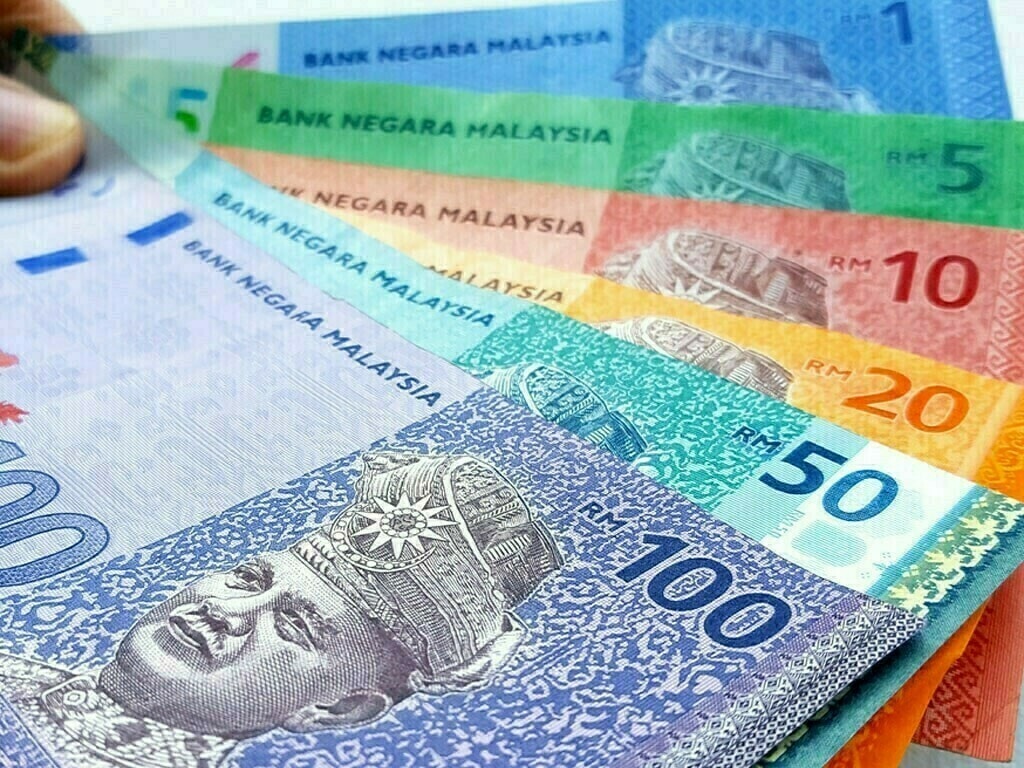
BENGALURU: The Malaysian ringgit held on to losses on Thursday after the country’s central bank kept interest rates steady in a widely expected move, while its regional peers declined marginally on renewed strength in the US dollar.
The ringgit was down 1% at 4.280 per US dollar, falling for a third straight session. The Philippine peso and Singapore dollar each extended losses, retreating 0.2%.
“Malaysia’s current account surplus is under threat from downsides to exports and tourism, at the same time, there are slight opportunities for trade diversion and investments away from the US-China trade corridor to Malaysia,” said Jeff Ng, head of Asia macro strategy at Sumitomo Mitsui Banking Corp.
Ng remains optimistic about the ringgit’s prospects, forecasting USD/MYR to strengthen to 4.20 by end-June and appreciate to 4.10 by year-end.
Bank Negara Malaysia’s approach stands in contrast with central banks in Indonesia, Korea, Thailand and the Philippines, which have already eased rates more than once to stimulate their economies.
The dollar index, which measures the currency against six major counterparts, rose 0.3% to its highest level in a week.
As expected, the US Federal Reserve maintained rates on Wednesday, but Chair Jerome Powell cautioned that economic growth remained uncertain due to persistent trade tensions and inflation risks.
Asian equities retreated broadly, though declines were tempered by Beijing’s stimulus plans and upcoming senior-level trade discussions between Washington and Beijing slated for the weekend.
Stocks in Jakarta and Manila fell 0.9% and 1.2%, respectively. Shares in Bangkok slipped 0.8%, while those in South Korea rose 0.2%.
Asian currencies have seen dramatic volatility in recent days, with the Taiwan dollar posting a historic 6% two-day surge against the greenback before steadying in the last two sessions. The unit was flat on the day. Taiwan’s dollar-heavy, unhedged market saw a sudden capital influx, which triggered a record two-day rally on Friday.
With the surge coinciding with the end of US-Taiwan trade talks, investors speculated on the possibility of an agreement to weaken the greenback in return for trade concessions - a notion that has been vigorously denied by Taiwan’s central bank and president. The Indian rupee reversed earlier gains to fall 0.4%, a day after India’s missile strikes on Pakistan and Pakistan-administered Kashmir on Wednesday.
Shares in India were flat, while Pakistan’s benchmark index plunged 6.3% before authorities halted trading, according to traders.
Chinese military and defence stocks surged amid escalating India-Pakistan tensions, with investors betting on increased defence spending in the region.





















Comments
Comments are closed for this article.