


EDITORIAL: Even as international migration faces serious challenges people have kept moving out of the countries of their birth. According a UN report entitled “The International Migrant Stock 2024”, the number of migrants worldwide in 2024 stood at 281 million, a figure that has nearly doubled since 1990 when there were an estimated 154 million migrants globally.
However, despite robust growth in the absolute number of international migrants over recent decades, says the report in an apparent bid to counter critics of migrant stock, their share of the world’s population remains small: in 2024 just 3.7 percent of people globally were international migrants, having increased only modestly from 2.9 percent in 1990. Presumably, these stats represent legal immigrants only.
Figures for the last year show that Europe hosted more international migrants than any other region with 94 million people followed by northern America with 61 million, the second highest number.
Nearly half of them, (48 percent) worldwide were women or girls; their share remained unchanged between 1990 and 2024. Many of these people were refugees displaced from their own countries by US-led Western nations’ wars, domestic conflicts, and persecution.
A major factor driving flow of people from poor or middle income countries to affluent ones, though, is financial distress and prospects of better economic opportunities abroad. The number of migrants headed towards Europe and America has kept growing.
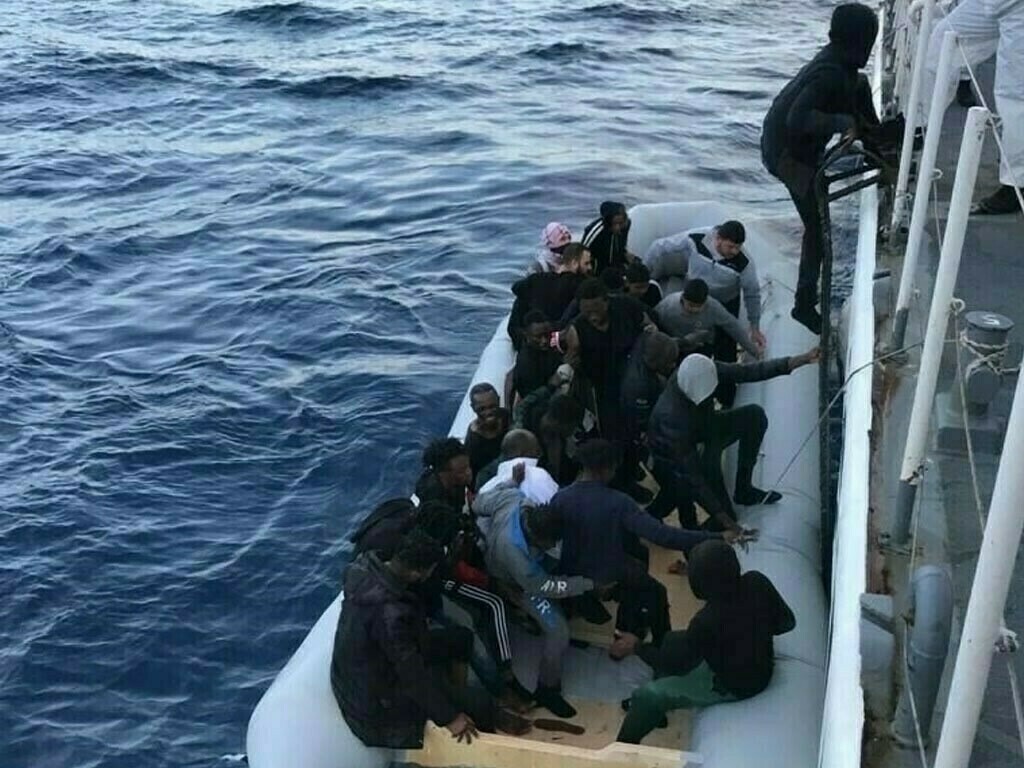
During the recent years, thousands of young men and women, including many Pakistanis, have perished at sea while trying to reach Europe.
Yet more and more knowingly continue to put their lives at risk, hoping to get to greener pastures elsewhere. Meanwhile, the receiving countries have started tightening their immigration policies due to resource crunch, rising xenophobia, or pure racism.
Since assumption of office last month, President Donald Trump has issued a raft of immigration-related executive orders aimed at overhaul of the immigration system, including processing of migrants and deportations from the US. His administration has publicised disturbing images of arrested illegal Indian immigrants being deported handcuffed aboard a military cargo plane.
Trump, of course, has made it plain that he has no respect for international humanitarian laws.
About half of the unemployed people in different countries are believed to be young people. As noted earlier, they are likely to keep embarking on hazardous journeys to improve their economic conditions undeterred by fear of disasters at sea.
It is vitally important therefore that major powers try and address factors engendering migration. They must also bring international migration in conformity with principles set out in the Global Compact for Safe, Orderly, and Regular Migration, adopted by UN General Assembly in 2018.
Copyright Business Recorder, 2025




















Comments
Comments are closed for this article.