


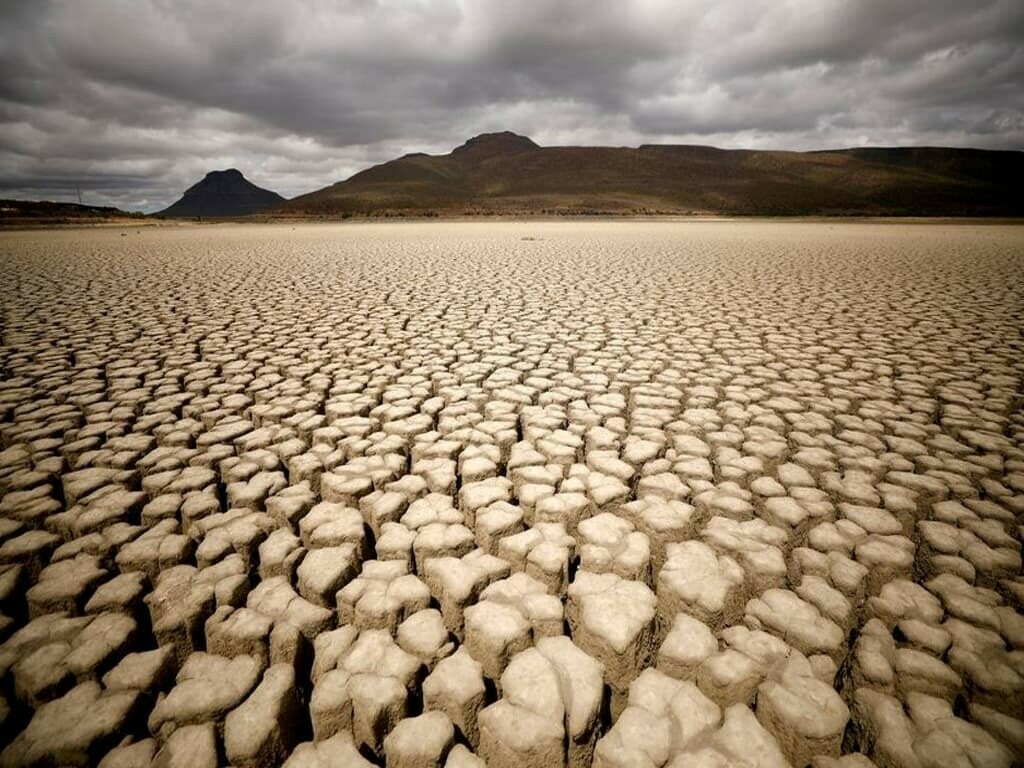

SYDNEY: Global warming could cost Australia’s economy hundreds of billions of dollars in the coming decades if workplaces cannot adapt to soaring temperatures, a government report said Thursday.
Working conditions will become so difficult in the already sun-kissed and desert-scarred continent that officials predict a drop in output of between Aus$135 billion (US$88 billion) and Aus$423 billion (US$274 billion).
The forecast assumes global temperatures will increase by three to four degrees Celsius by 2063, leaving labourers to toil in ever more difficult conditions.
Measures such as tree planting and changing how buildings are designed would only help sweltering workers “to some degree”, the report said.
The estimate does not include the cost to agriculture, or tourism – with fewer visitors expected to come to Australia due to natural disasters and the degradation of natural attractions, such as beaches hit by erosion.
“Dealing with climate change is a global environmental and economic imperative,” said Treasurer Jim Chalmers on the report’s release.
He said billions must be spent to meet the country’s net zero by 2050 target, to decarbonise heavy industries and build a clean energy economy.
Australia is one of the world’s largest producers of coal and gas.
But Chalmers insisted the transition provided an opportunity to businesses and to a country replete with minerals needed to produce green energy technologies.
“Demand for critical minerals will explode – the opportunity of the century,” he said.
Commenting on the report, Kathryn Bowen, professor of environment, climate and global health at the University of Melbourne, said measures aimed at helping people adapt to climate change needed to “rapidly accelerate”.




















Comments
Comments are closed for this article.