


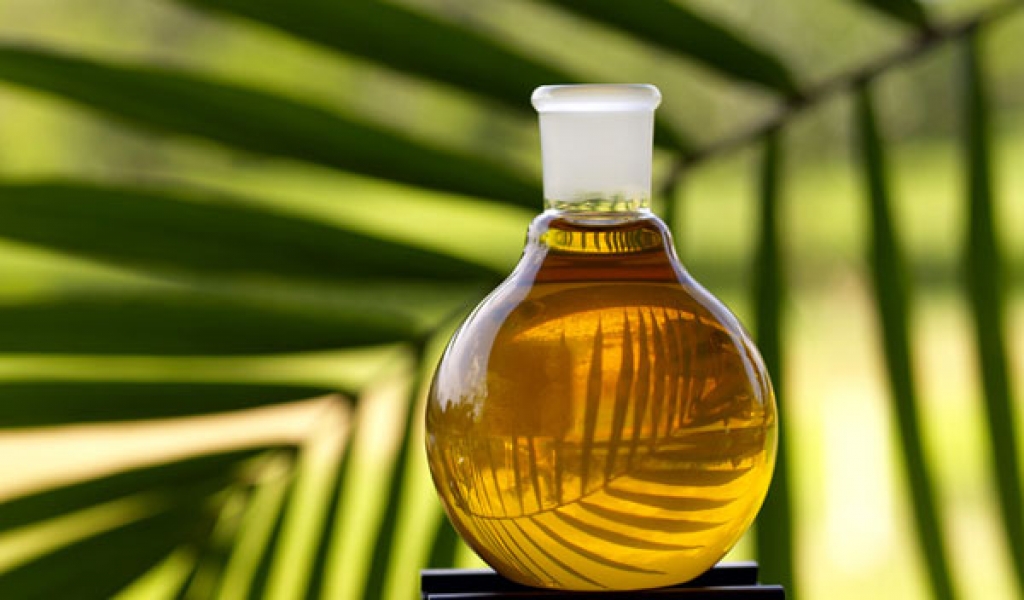
 SINGAPORE/KUALA LUMPUR: China's palm oil imports may fall in 2017/18 as the country instead boosts purchases of soybeans, giving it ample supplies of domestically produced soyoil, analysts and industry officials said.
The world's second-biggest economy, which ships more than 60 percent of soybeans traded worldwide, bought record volumes of the beans in 2017 as the country's demand for protein-rich animal feed ingredient soymeal grows.
But the waning of China's appetite for palm oil - as well as its implications for soybeans - is set to be a key theme for the industry this year, and likely to be a hot topic at a major conference in Kuala Lumpur this week. Malaysia is the world's second-biggest supplier after Indonesia of palm oil, used in the making of everything from cosmetics to food snacks.
"(China's) edible oil demand is not growing as fast as meal demand, so they have excessive supplies of soybeans," said veteran industry official M.R. Chandran, now a consultant in Kuala Lumpur. "China is buying more soybeans and that demand is essentially driven by higher consumption of soymeal for feeding animals."
China's soybean imports in 2017 hit an all-time high of 95.54 million tonnes, up 13.9 percent from last year's 83.91 million tonnes, according to the country's customs data.
The country's palm oil imports in 2017/18 are expected to decline to 4.8 million tonnes as compared 4.881 million tonnes a year ago, according to US Department of Agriculture estimates issued on Feb. 8.
Meanwhile, Malaysian palm oil futures traded on the Bursa Malaysia Derivative Exchange have risen around 2 percent in February after declining for the last three months.
Market watchers have ascribed the earlier declines to rising production in Southeast Asia. But February prices climbed on tight market supplies as recent rains curbed harvesting activities.
Existing high palm oil stocks in China of about 600,000 tonnes are also expected to depress demand, said David Ng, a derivatives specialist at Phillip Futures in Kuala Lumpur.
"Current stock levels are above market expectation as well as average levels," he said. "Keep in mind China's demand for soymeal is going to increase again this year, and that will increase crush margins and overall demand for soyoil, which will impact demand for palm."
Elsewhere, China's rapeseed imports are set to rise to 4.7 million tonnes this year, up from 4.26 million tonnes a year ago, according to the USDA.
"Rapeseed oil demand will increase as it becomes cheaper. There is parity to import canola oil from Canada as there are good margins," said one trader in Singapore. "They have bumper (canola) crops in most areas of Canada and Australia, so the seed becomes cheaper."



















Comments
Comments are closed for this article.