




DUBAI: The United Arab Emirates' economy grew by an estimated 8.2% in the first quarter, buoyed by higher oil production, the central bank said on Wednesday.
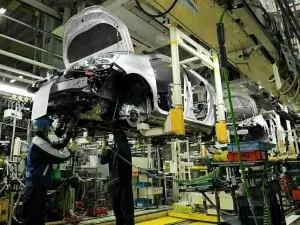
Real gross domestic product (GDP) is expected to grow 5.4% this year and 4.2% next year, the central bank said. There was a high probability of stronger growth due to higher oil production and a government pledge to double the manufacturing sector's size by 2031.
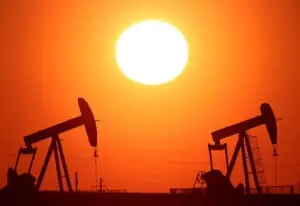
Hydrocarbon GDP climbed an estimated 13% in the first quarter, when oil production average 2.95 million barrels per day.
"Shocks to global oil supply and demand have added to oil price volatility and bolstered the level of the price. Depending (on) the developments in global economic activity, recessionary expectations and geopolitical tensions, there may be space for increased oil supply to balance the markets and stimulate global growth," the central bank said.
U.S. President Joe Biden met Gulf and other leaders in Saudi Arabia last weekend to try to secure commitments for higher oil production as he tries to tame inflation at home.
Global economy: IMF says outlook has ‘darkened significantly’
Saudi Arabia and the UAE are among a handful of producers that have sizeable spare capacity.
The UAE's oil GDP is expected to grow 8% this year and 5% in 2023. Non-oil GDP was up 6.1% in the first quarter and was seen growing 4.3% in 2022 and 3.9% in 2023, the central bank said.
Inflation was projected at 5.6% for 2022. It reached 3.4% in the first quarter from a year earlier, up from 2.3% annual inflation in the fourth quarter and 0.6% in the third quarter.
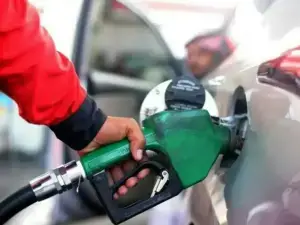
"The pass-through of higher oil price to fuel will have a significant impact on the cost of transportation and therefore on headline inflation. This is also valid for food-related items that are soaring globally, with inevitable consequences for the UAE," the central bank said.
The UAE is the only Gulf Arab country that does not have a price cap on fuel and, like its neighbours, imports most of its food. Transportation inflation - with a 12.7% weight in the consumer basket - surged 22% in the first quarter.
Average residential property prices in Dubai jumped 11.3% in the first quarter. Off-plan sales surged 94.6% in the quarter, while secondary market sales were up 76.1%.
"Upward pressures on inflation would result from higher wages and higher rents. As a result, domestic demand shall increase and might put further pressure on prices, especially on the non-tradeables like rents," the central bank said.
The impact of imported inflation is expected to be mitigated as the UAE dirham is pegged to the U.S. dollar, it said.
















Comments
Comments are closed for this article.