


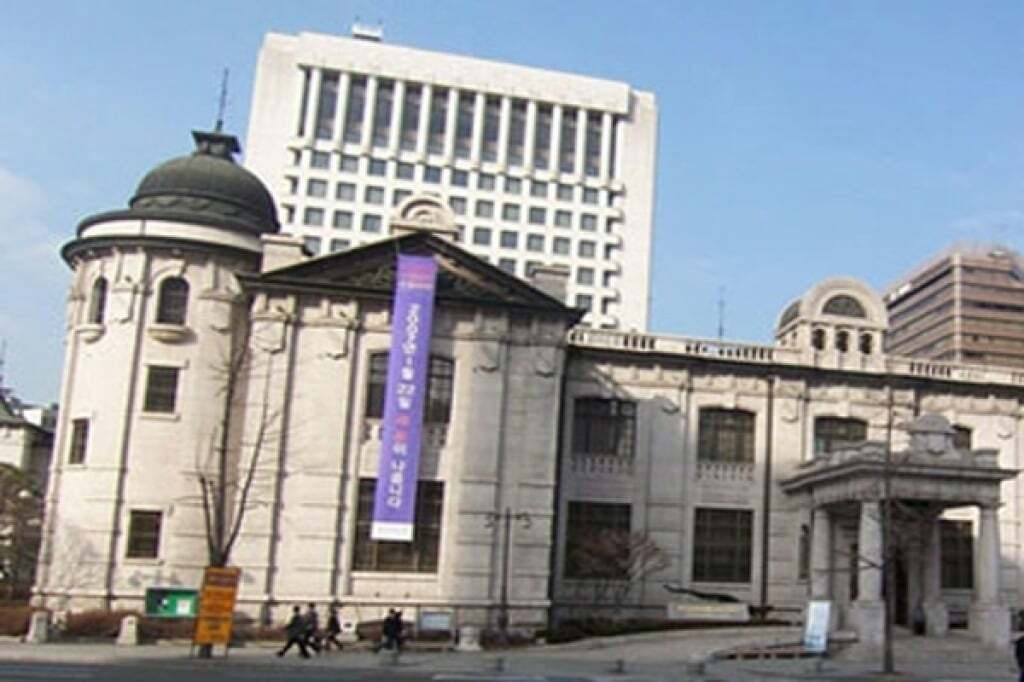

SEOUL: South Korea's central bank raised its benchmark rate back to pre-pandemic levels on Friday to stem inflation risks in the recovering economy and signalled it may tighten further as policy still remains 'accommodative.'
Bank of Korea Governor Lee Ju-yeol maintained his hawkish tone and said there is a need to further raise interest rates if current growth momentum is retained.
The BOK's monetary policy board on Friday lifted borrowing costs by 25 basis points to 1.25%, the highest since March 2020, a move expected by 25 of 35 analysts in a Reuters poll.
Back-to-back rate hikes by the BOK, not seen since 2007, comes as global policymakers from the US Federal Reserve to the U.K. move to end emergency stimulus to contain rapid consumer price rises.
In South Korea surging property values and household debt have raised pressure on policymakers to act.
Bank of Korea likely to hike rates again over high inflation, household debt
The BOK has been at the forefront of global stimulus withdrawal as many central banks start to shift away from the view that faster inflation that came as a byproduct of the pandemic is transitory.
"Taking the rate to 1.50% still can't be viewed as tight (monetary policy)," but should be seen as scaling back the extent of policy easing, Governor Lee said at a news conference on Friday.
Having raised interest rates three times since August last year, a Reuters poll showed the BOK is expected to continue its policy tightening cycle with rates tipped to reach 1.50% by the third quarter of this year.
The Federal Reserve has signalled its intention to raise rates three times this year, the effects of which will be closely watched globally, while in China authorities are seen easing policy to cushion a slowdown in the world's second largest economy.
More tightening
The March futures on the three-year treasury bonds fell as much as 0.40 point to 108.25 after Lee said further rate hikes may be necessary.
Uncertainties on the policy front this year include Governor Lee's term that ends in March, which coincides with the nation's presidential election slated for the same month.
It is unclear whether President Moon Jae-in will name a new governor before the election or leave that decision to the next leader of the country.
"This would probably be the last rate hike during Lee's term, though the markets are focused on Lee's remarks that stressed the BOK's policy tightening is ongoing," said Cho Yong-gu, fixed-income analyst at Shinyoung Securities, who sees the base rate to reach 1.75% by the first half of 2023.
The BOK said consumer inflation will run in the 3%-range for "a considerable time," exceeding the 2% projection for this year made in November.
Soaring inflation has been ramping up pressure on policy makers to act, as consumer inflation for the whole year of 2021 surged to 2.5%, the fastest since 2011.
Analysts now see the current tightening cycle slowing down in the months ahead, as policymakers assess the outlook for global growth while countries navigate a fresh wave of the Omicron variant of the coronavirus.
The BOK expects the economy to expand 3% this year, slowing from an estimated 4% in 2021.




















Comments
Comments are closed for this article.