


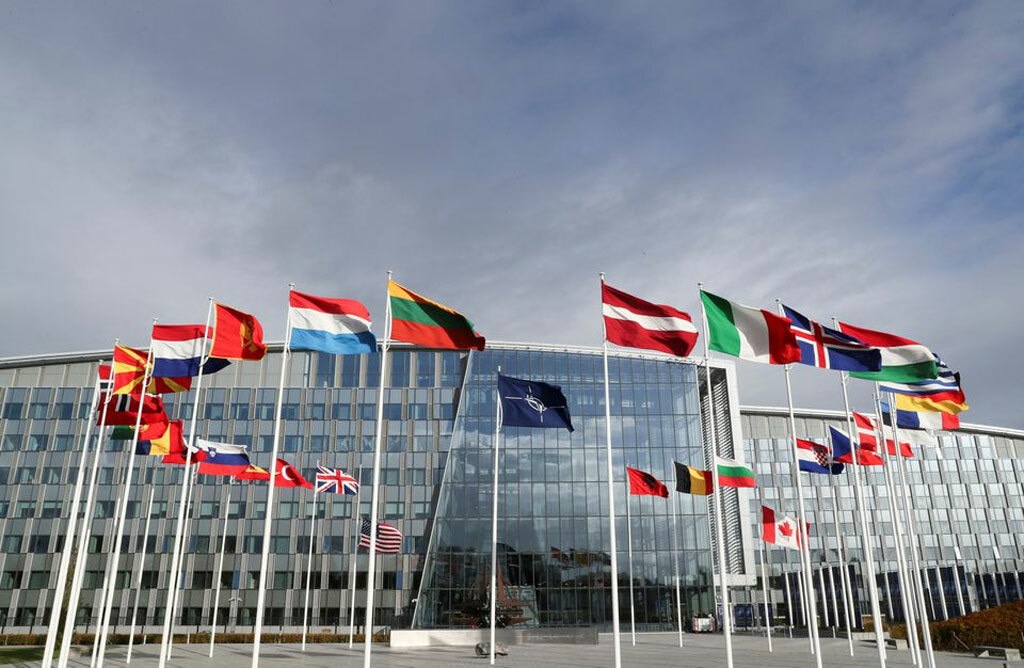
BRUSSELS: European Union states spent nearly 200 billion euros ($225 billion) on defence in 2020, the most since records began in 2006, but joint investment by governments fell, the European Defence Agency (EDA) said in a report on Monday.
The EDA, an EU agency that helps the bloc's governments to develop their military capabilities, said the total spending of EU countries except for Denmark - which opts out of EU military projects - reached $198 billion, a 5% increase on 2019.
The defence expenditure amounted to 1.5% of the 26 EU states' economic output, a welcome figure for the US-led NATO alliance, which has sought a 2% spending goal for its allies. Most EU members are also part of NATO but want to able to act independently of the United States when necessary.
US tightens travel rules as more countries secure borders to quell Omicron
Proponents of stronger EU defence say the warnings have been many, from Britain's departure from the bloc to former US President Donald Trump's "America First" priorities and failing states on Europe's frontiers.
However, the EDA report noted a slump in collaborative spending despite an EU defence pact signed in late 2017 to try to pool resources and end the competition between national industries that has weakened past defence efforts.
"The downward trend on European collaborative spending is particularly concerning," EDA Chief Executive Jiri Sedivy said in the report, which found a 13% decrease in joint equipment procurement compared to 2019, to 4.1 billion euros, the third-lowest value recorded by the agency.
When buying equipment last year, EU governments mainly did deals on their own, falling well short of a commitment made in their 2017 pact to ensure that slightly more than a third of such procurement is done jointly with other Union members.
While the EU has also launched a joint weapons fund, is working on 60 joint military projects and aims to agree a new rapid-reaction force, investment in defence research and technology also remains disjointed and lacking collaboration, the EDA said.
























Comments
Comments are closed for this article.