


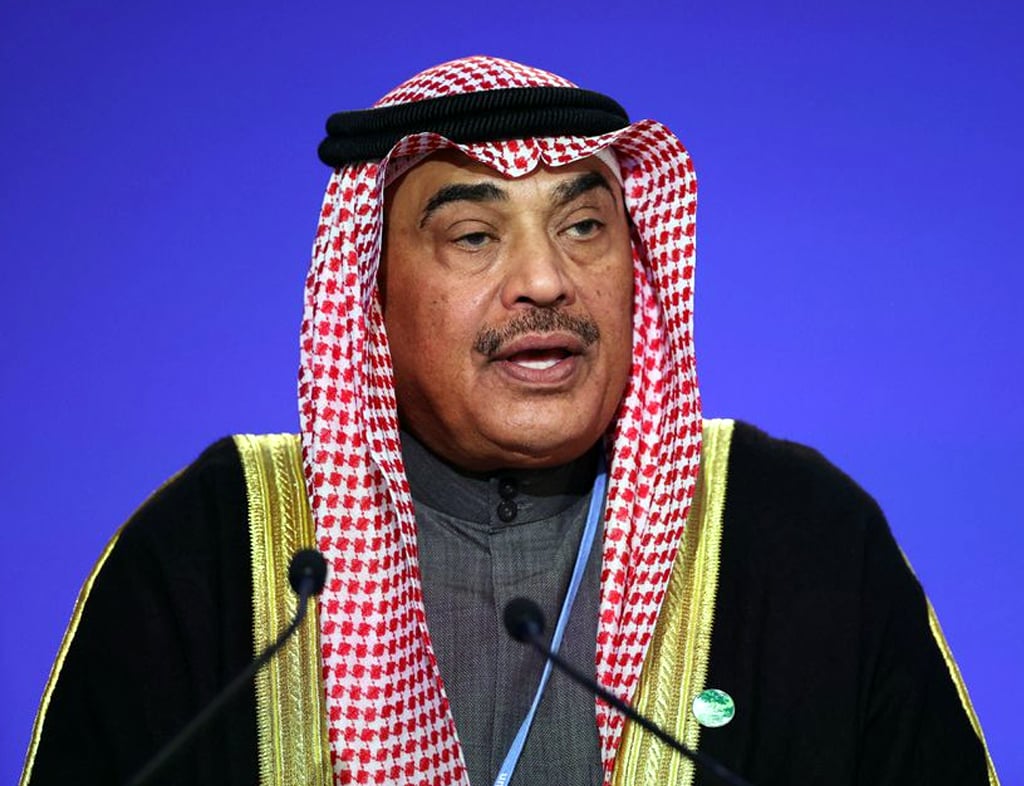
KUWAIT: Kuwait's government on Monday submitted its resignation to the ruling emir, a move which along with an amnesty pardoning political dissidents could help end a standoff with opposition lawmakers that has hindered fiscal reform.
The resignation, reported by state news agency KUNA, is the second this year by a government headed by Prime Minister Sheikh Sabah al-Khalid al-Sabah in the feud with the elected parliament of the Gulf OPEC producer.
It was not immediately clear if Emir Sheikh Nawaf al-Ahmed al-Sabah, who has final say in state matters, would accept the resignation of the government, which was formed in March.
Several opposition MPs have insisted on questioning the premier on various issues, including handling of the COVID-19 pandemic and corruption, but a motion passed in March had given him immunity from questioning until the end of 2022.
The feud has paralysed legislative work, hindered efforts to boost state finances - hit hard last year by low oil prices and the pandemic - and enact measures including a debt law needed to tap global markets.
Political deadlock has for decades led to government reshuffles and dissolutions of parliament, hampering investment and reform.
The government started a dialogue with MPs to break the impasse, with the opposition demanding an amnesty pardoning dissidents and to be able to question Sheikh Sabah, who has been premier since late 2019.
Parliament Speaker Marzouq al-Ghanim on Monday announced that two emiri decrees had been issued for the amnesty, after cabinet approved the drafts on Sunday, saying this presented "a new page" for Kuwait to focus on "important pending matters".
Dissidents in self-imposed exile include former lawmakers who took part in a 2011 storming of parliament over alleged government graft and mismanagement, and other Kuwaitis who criticized the emir - a jailable offence - or other Gulf rulers.
Kuwait does not permit political parties, but it has given its legislature more influence than similar bodies in other Gulf monarchies, including the power to pass and block laws, question ministers and submit no-confidence votes against senior government officials.


















Comments
Comments are closed for this article.