


Antibiotics may have been overused in COVID-19 patients: US study
- The study by Pew Charitable Trusts suggests that such drugs were over-prescribed between February through July 2020, as doctors rushed to treat COVID-19 patients when treatment options were sparse.
- "Ultimately, what we're really concerned about is what the data could mean about the long-term fight against antibiotic resistance," said David Hyun, project director for Pew's antibiotic resistance project.
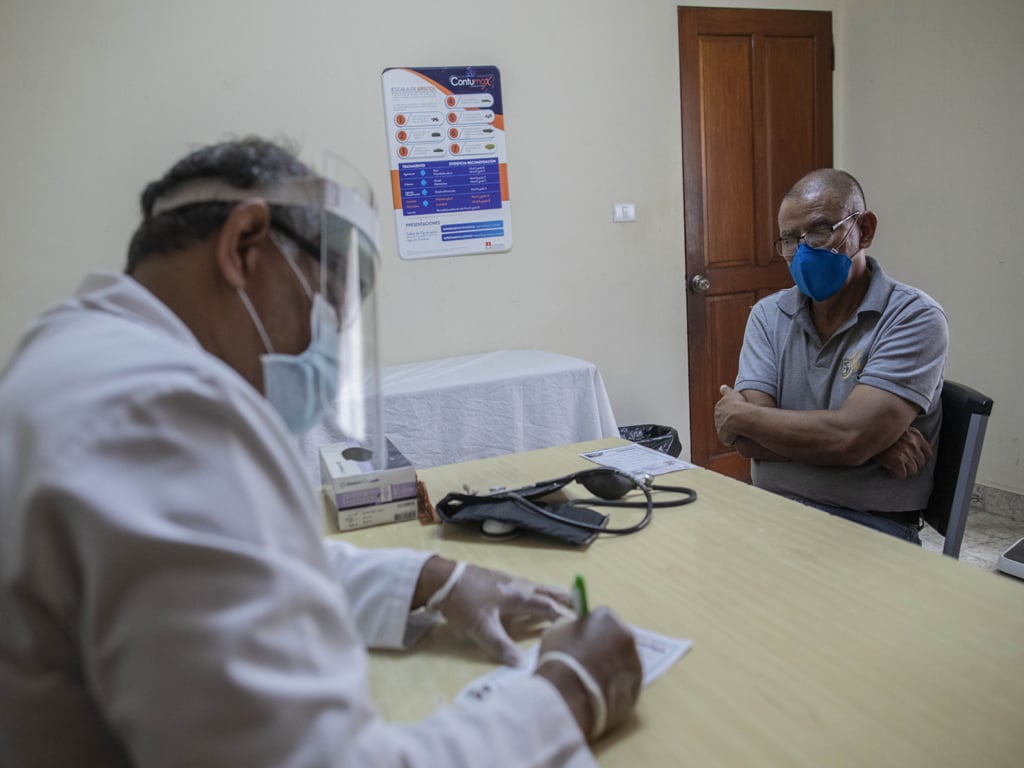

A majority of COVID-19 patients that were admitted to US hospitals during the first few months of the pandemic were prescribed antibiotics even before a bacterial infection had been confirmed, a study showed on Wednesday.
The study by Pew Charitable Trusts suggests that such drugs were over-prescribed between February through July 2020, as doctors rushed to treat COVID-19 patients when treatment options were sparse.
Antibiotics do not fight viruses but are prescribed to treat secondary bacterial infections.
"Ultimately, what we're really concerned about is what the data could mean about the long-term fight against antibiotic resistance," said David Hyun, project director for Pew's antibiotic resistance project.
The report, which included data from 5,838 hospital admissions, highlights the risk of prescribing antibiotics unnecessarily, which could speed up the emergence of drug-resistant 'superbugs'.
Drug resistance is driven by the misuse and overuse of antibiotics and other antimicrobials, which encourages bacteria to evolve to survive by finding new ways to beat the medicines.
In the study, 52% of hospital admissions resulted in at least one antibiotic being prescribed. In contrast, 20% of those admitted with COVID-19 were diagnosed with a bacterial pneumonia, and 9% were diagnosed with urinary tract infections.
In 96% of cases, the patient received the first antibiotic within 48 hours of being admitted to a hospital.
The data did show that most patients who were given antibiotics immediately after hospitalization did not receive additional courses after 48 hours, suggesting some progress in efforts to limit overuse of antibiotics.




















Comments
Comments are closed for this article.