


Kuwait's cabinet submits resignation in standoff with parliament
- It complicates government efforts to tackle the OPEC state's deepest economic crisis in decades, caused by low oil prices and the coronavirus crisis.
- It was not immediately clear if the emir, who has the final say in matters of state, would accept the cabinet's resignation.
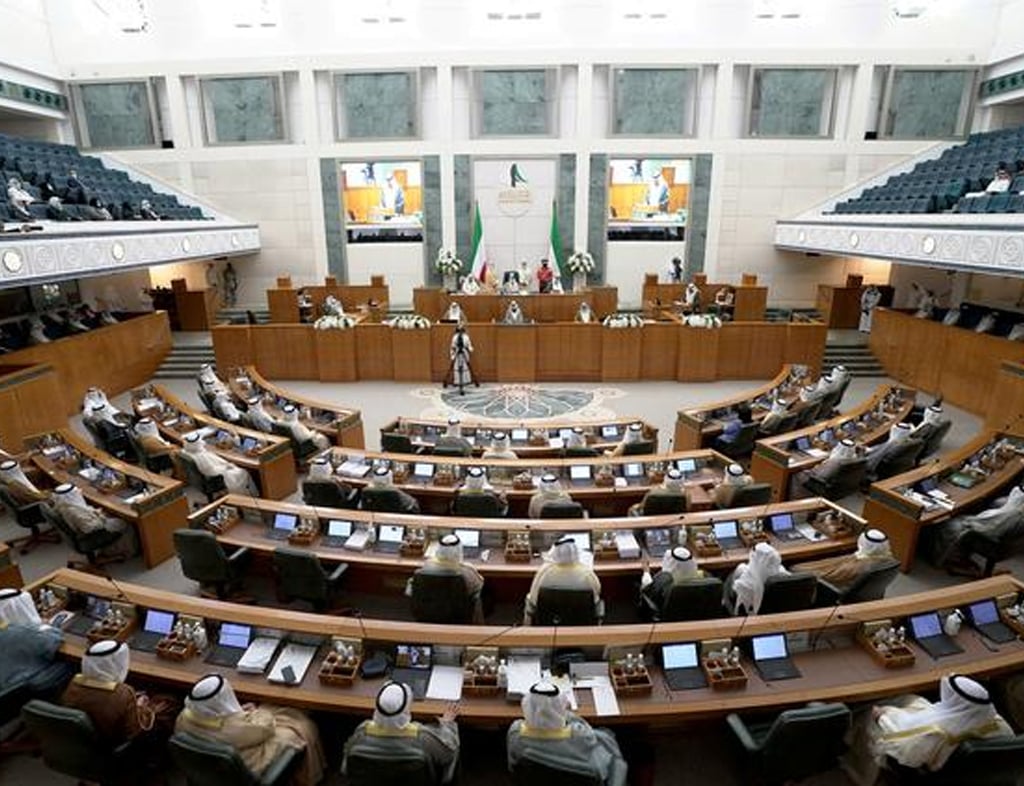

DUBAI: Kuwait's Prime Minister Sabah al-Khalid al-Sabah presented the resignation of his cabinet to the country's ruler on Wednesday, days before the premier was due to be questioned in parliament over his choice of ministers and other issues.
The standoff between the government and parliament less than a month after the cabinet was appointed poses the first big challenge to Emir Sheikh Nawaf al-Ahmed al-Sabah, who assumed power in September.
It complicates government efforts to tackle the OPEC state's deepest economic crisis in decades, caused by low oil prices and the coronavirus crisis.
The impasse, the latest in a series of standoffs between government and parliament over several decades, is "another punctuation mark in a numbing narrative", Hasnain Malik, head of equity research at Tellimer, said in a strategy note.
He said the government would have to dip into sovereign cash reserves to partly finance a yawning deficit in the absence of a debt law that has long-faced legislative gridlock.
Ministers had submitted their resignations on Tuesday to Sheikh Sabah, a move the government said was related to "developments in the relationship" between the assembly and the government.
It was not immediately clear if the emir, who has the final say in matters of state, would accept the cabinet's resignation.
The motion to question Sheikh Sabah, who has been prime minister since late 2019, was submitted by three lawmakers on Jan. 5 in the first regular session of the new assembly, in which the opposition made gains in last year's election.
More than 30 other MPs in the assembly, which has 50 elected members, supported the request to question him. The motion seen by Reuters referred to a cabinet that did not reflect the poll result and to government "interference" in electing the speaker and members of parliamentary committees.
In addition to its elected members, cabinet ministers also sit in parliament.
Kuwait has the most open political system among Gulf Arab states. Parliament has the power to pass legislation and question ministers, although senior government posts are occupied by members of Kuwait's ruling family.
Frequent rows and deadlocks between cabinet and parliament have led to successive government reshuffles and dissolutions of parliament, hampering investment and economic and fiscal reform.














Comments
Comments are closed for this article.