


US weekly jobless claims fall for second straight week
- Initial claims for state unemployment benefits slid to a seasonally adjusted 787,000 for the week ended Dec. 26.
- Though initial jobless claims have dropped from a record 6.867 million in March
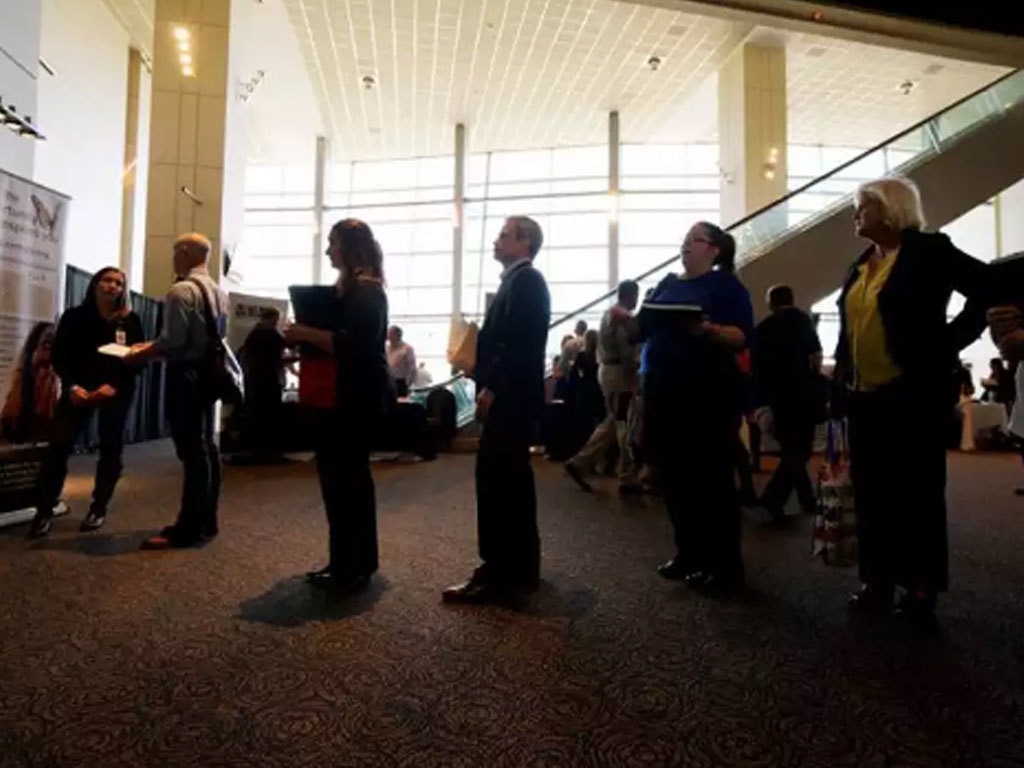
The number of Americans filing first-time claims for unemployment benefits unexpectedly fell for a second straight week last week but remain elevated more than nine months into the health and economic crisis triggered by the coronavirus pandemic, signaling a long recovery for the US job market.
Initial claims for state unemployment benefits slid to a seasonally adjusted 787,000 for the week ended Dec. 26, from 806,000 in the prior week, the Labor Department said on Thursday. Economists polled by Reuters had forecast 833,000 applications in the latest week.
As of Dec. 19, the number of people continuing to draw benefits under regular state unemployment insurance programs declined to 5.219 million, the lowest since April, from 5.322 million the week before. The report also showed that as of mid-December, more than 19.5 million people were receiving some form of jobless aid, including from emergency measures recently extended by the latest coronavirus aid bill.
Though initial jobless claims have dropped from a record 6.867 million in March, they have held persistently above their 665,000 peak hit during the 2007-09 Great Recession.
The latest report's end date - Dec. 26 - was when as many as 14 million people were set to lose jobless benefits provided by a $3 trillion pandemic relief bill enacted in the spring. That was a cliff that lawmakers had raced to avoid by passing a nearly $900 billion supplemental package in the days before Christmas, including $600 payments to most individuals and extensions of unemployment benefits and eviction moratoriums.
President Donald Trump, however, railed against the deal negotiated by his own Treasury secretary, demanding higher payments to individuals, and did not sign it into law until Sunday after extensive badgering by senior lawmakers in his Republican Party.
It was unclear whether that lapse had a material effect on last week's data or what impact it might have on the level of claims in the current week and into the new year.
"We think that holiday noise and uncertainty about extensions of benefits may have held down claims last week, and the risk is for a rise in claims in the weeks ahead now that emergency programs have been extended and an additional $300 in weekly benefits is being provided," Nancy Vanden Houten, lead US economist at Oxford Economics, said in a note.
The weekly unemployment claims report is seen as the most timely data on the economy's health. The elevated level of claims aligns with other recent weak economic reports, including a decline in consumer confidence to a four-month low in December and drops in both consumer spending and income last month.
COVID-19 case growth also remains elevated, even though the surge in new infections appears for the moment to have peaked in mid-December, according to a Reuters tally. Restrictions on businesses, especially in the food and hospitality industries, remain in place in many parts of the country, keeping a lid on consumer spending and employment.
"The new stimulus package is a life preserver, but containing the virus is the only way to completely end the economic chaos," AnnElizabeth Konkel, economist at Indeed Hiring Lab, said in a note. "Even then, a full recovery will have to clear the hurdle of mounting long term joblessness."





















Comments
Comments are closed for this article.