


WTO mulls how to ease food aid hurdles in pandemic
- If adopted, the proposal would "ban export restrictions on these foodstuffs which hinder the World Food Programme's ability to procure (food products for) the populations most in need across the world."
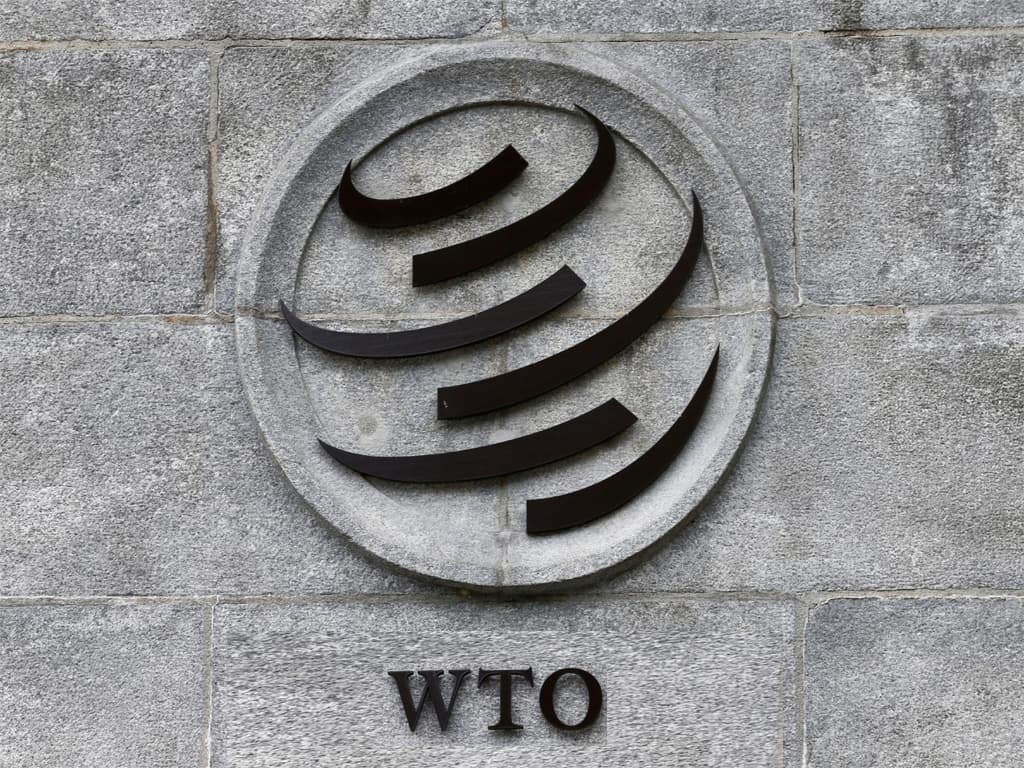

GENEVA: World Trade Organization negotiators were debating Wednesday a proposal to lift all trade barriers inhibiting the delivery of international food aid as the coronavirus pandemic pushes humanitarian needs to new hights.
Dozens of WTO members, including the United States, the European Union and China, support the proposal put forward by Singapore and the World Food Programme, which won the 2020 Nobel Peace Prize for its humanitarian work.
"This is a very important proposal," EU ambassador to the WTO Joao Aguiar Machado told reporters.
If adopted, the proposal would "ban export restrictions on these foodstuffs which hinder the World Food Programme's ability to procure (food products for) the populations most in need across the world."
But while the draft text enjoys strong support, it could struggle to secure unanimous backing which is required for all decisions at the global trade body.
According to a Geneva-based trade official, who asked not to be named, India has hinted it would be reluctant to back a blanket exemption on trade barriers affecting WFP, pointing to the need to protect "national food security".
The short text up for discussion says WTO members "shall not impose export prohibitions or restrictions on foodstuffs purchased for non-commercial humanitarian purposes by the World Food Programme."
It highlights that the work of the WFP has been "made more urgent in light of the Covid-19 pandemic and other crises."
Brink of famine
The largest humanitarian organisation fighting famine, the UN agency founded in 1961 feeds tens of millions of people each year -- 97 million in 2019 -- across all continents.
But despite making progress over the past three decades, the UN's goal to eradicate hunger by 2030 appears out of reach if current trends continue, with war-ravaged Yemen among several countries currently on the brink of famine.
Tne Covid-19 pandemic has sent only humanitarian needs soaring.
By the end of this year, some 270 million people worldwide were suffering from acute food insecurity -- an 82-percent increase from before the pandemic, according to WFP.
It has voiced frustration at the export barriers put in place by some countries, saying they can cause delays and even cancellations of contracts to purchase and distribute desperately needed food items.
Such trade restrictions also cause significant losses of fresh foodstuffs, due to drawn-out transport delays and sudden supply chain changes.
"Restrictions and export bans have previously been imposed on cereals such as rice, wheat, maize and in some cases pulses and cereal-based products that WFP uses... to fight hunger," WFP spokesman Tomson Phiri told AFP.
"Some restrictions are temporary, others are lifted upon negotiations whilst some can be protracted," he said.
"In all cases, the effect is the same -- humanitarian action is delayed."
Phiri pointed out that export bans imposed in one region often force WFP to move their procurement further away, thus "hampering WFP's ability to respond timely and eroding assistance."















Comments
Comments are closed for this article.