


Government should not be in the business of business - especially in Pakistan which is plagued by red tape, inefficiencies and nepotism – ingredients for incompetence and corruption.
There are many white elephants still left to deal with. Energy is one sector where not much has been done yet. Outside, energy PIA and PSM are two companies which kept on creating liabilities for federal government in the last decade or so. Every government since the 90s was pro-privatization while every opposition was anti-privatization and when the political parties changed hands, the roles reversed too – for example, when PMLN was trying to privatize PIA – both PTI and PPP raised voices against it. Now the brunt is being faced by PTI, in the case of Pakistan Steel Mills (PSM).
It is the job of politicians to use politics to gain traction of voters. And when majority of voters are uninformed or illiterate, the opposition tends to go against what is in the best interest of the economy. That is how politics is played in Pakistan – remember no one was able to build a mega dam since the 60s due to this change in narratives (or u-turns) when in power and when out.
The unfortunate part is that it seems media houses (mainly newspapers) are also changing stance with the change in government. Media outlets around the world have a certain leaning. That is how it should be. But there has to have consistency in the leaning. Media houses should not take U-turns.
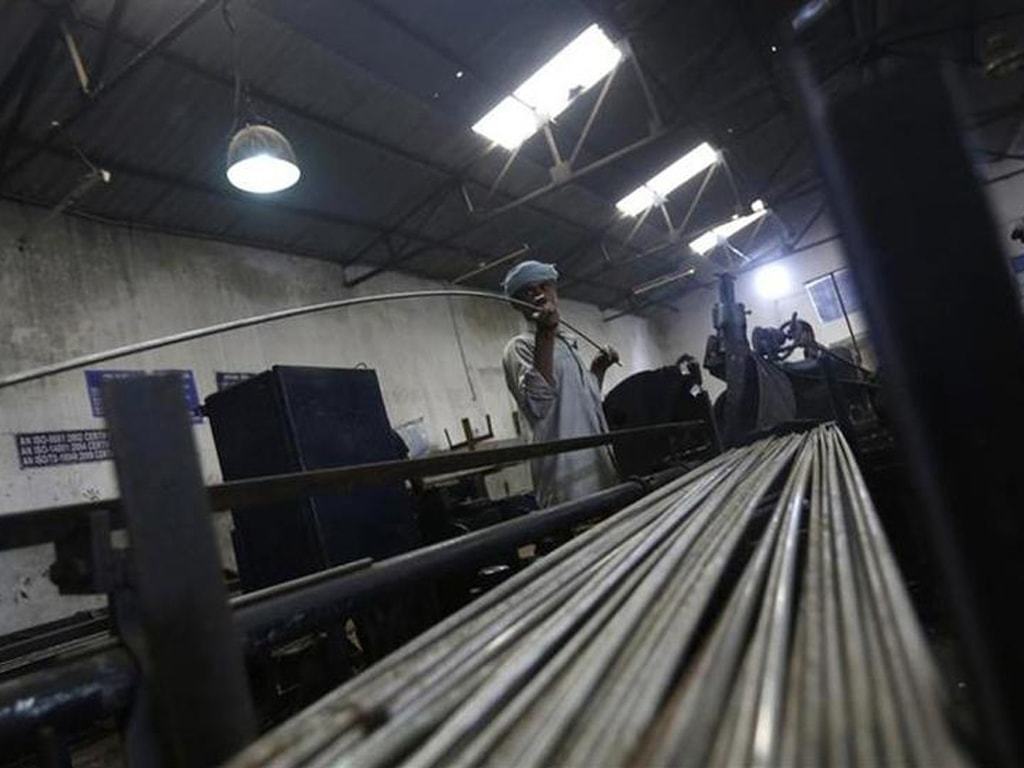
The hot news on privatization is of PSM. The ill-fated company was profitable and the privatization deal was almost done in the 2000s, when the honorable SC court intervened. The company stopped production in 2015 and the government is bearing all its expenses since then. The annual bleeding is around Rs15-20 billion and its debts are standing at Rs230 billion.
The government is finally cutting its losses. The first step is to terminate the labor force – the plan is to retire 8,400 employees (95% of total) in two phases. The government is going to pay one-off expense in terms of retirement benefits. This is costing government Rs20 billion (Rs2.3 million per person) and will save the government Rs750 million a month. The next step is to privatize the company or completely shut down (as PSM plant is probably too old to revive). The huge land in proximity to port can be better utilized. How to do it is another debate.
The noise on privatization started with a pumped-up public expression by mainstream opposition leaders - the usual way opposition operates. However, some editorials and TV shows were run against this retracement. A few of them were for privatization in the last government. One may wonder what made them change their positions and is it driven by politics?
What’s the point of retaining employees in an organization that is completely inoperational for five years and making consistent losses for over a decade? Any professional having some career inspiration would have already left for the private sector. The organization is perhaps left with dead wood.
Some have argued that if the government is giving concessionary finance to private sector due to covid, why can’t it retain PSM employees? This is comparing apples with oranges. That was a time bound scheme and it covered 1.7 million employees. And it was private sector’s prerogative to take it or not. That was to support running businesses in an unprecedented time. PSM is dead with or without the coronavirus.
Then there is the opportunity cost of government. The Rs750 million per month to be saved can feed 187,500 poor households a year through Ehsas programme. That amount can be given as loan at lower rates to private sector to generate thousands of jobs.
The federal and provincial governments don’t have enough money to run day to day operations. The pension bills are more lucrative than any private company. And millions in the private sector are without any cover. There are millions of youth coming into working age every year and the private sector does not have enough jobs. Shouldn’t the government be spending its scarce resources for the private sector to generate jobs or will it continue to support dead wood? That said, the episode is also a stark reminder of how the government’s plans and promises to revamp and revive the ailing PSEs has fallen flat on the ground. The Khazana model surely failed.






















Comments
Comments are closed for this article.