


UK inflation jumps in July as clothes shops shun summer sales
- Annual consumer price inflation rose to 1.0pc in July from 0.6pc in June, the Office for National Statistics said, above all forecasts in a Reuters poll of economists.
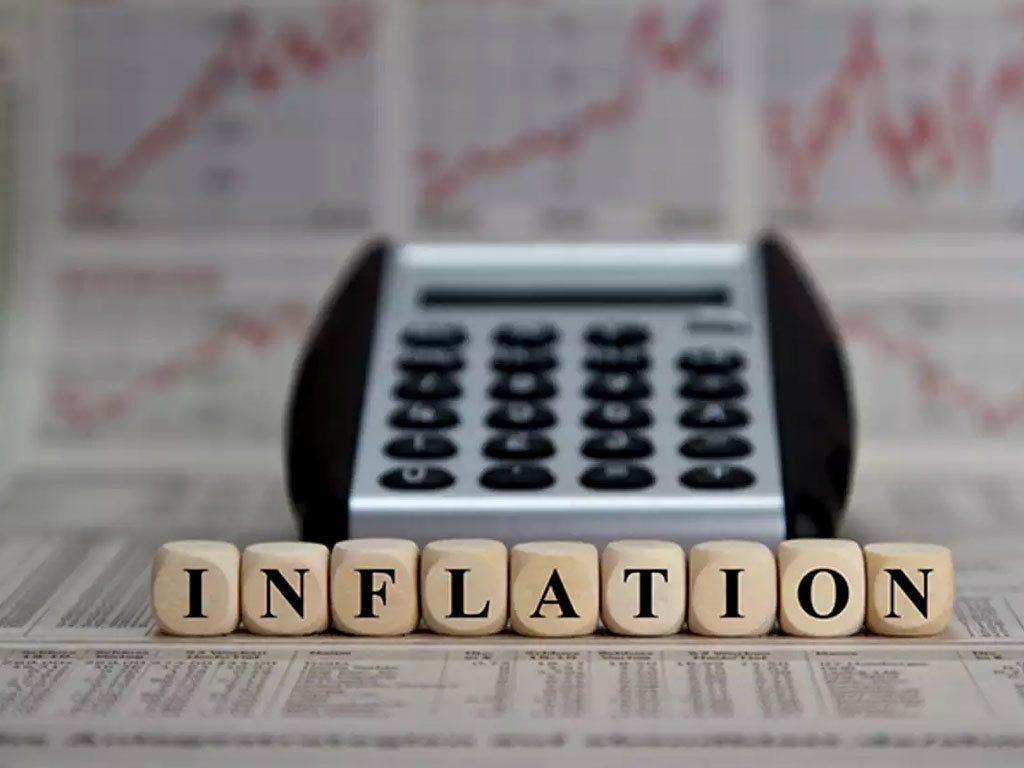

LONDON: British inflation jumped unexpectedly last month to its highest since March, as clothes shops did not hold their usual summer sales when they reopened after the coronavirus lockdown, but most economists expect it to fall again soon.
Annual consumer price inflation rose to 1.0pc in July from 0.6pc in June, the Office for National Statistics said, above all forecasts in a Reuters poll of economists.
Most economists expect the rise to prove temporary -- especially as the impact of the government's "Eat Out to Help Out" restaurant discount kicks in during August.
ING said "the only way is down". "While ongoing supply-chain disruption will inevitably cause price spikes in certain areas, the more dominant factor will be the widely predicted rise in unemployment," ING economist James Smith said.
The consensus of economists polled by Reuters shows inflation remaining below the Bank of England's 2pc target at least until the end of next year.
Nonetheless two-year inflation-linked bonds priced in a higher rate of inflation at 2.675pc on Wednesday, up from Tuesday's four-week low of 2.629pc.
These bonds use the RPI measure of inflation, which rose to 1.6pc in July from 1.1pc, and this figure will also be used to calculate next year's annual increase in rail fares.
Clothing and footwear prices were the biggest contributor to the rise in inflation in July, the ONS said.
In most years retailers slash clothes prices between June and July to clear out their summer ranges in preparation for autumn.
This year, the drop in clothing and footwear prices was unusually small, perhaps reflecting discounting early in lockdown.
Higher petrol prices - and greater costs for haircuts, dentistry and physiotherapy - also contributed to higher inflation, the ONS said.
"Prices for private dental treatment, physiotherapy and haircuts have increased with the need for PPE (personal protective equipment) contributing to costs for these businesses," ONS Deputy National Statistician Jonathan Athow said.
Haircuts and other personal grooming cost 5.1pc more than a year before.
Core inflation - which excludes typically volatile energy, food, alcohol and tobacco prices - rose to its highest in a year at 1.8pc from June's 1.4pc, versus expectations for a small fall.
The ONS said July's inflation number was based on near-complete coverage of its standard basket of goods and services, after widespread unavailability of some services at the start of the lockdown.
The Bank of England said earlier this month it expected inflation to turn briefly negative in the near-term, falling to -0.3pc in August.














Comments
Comments are closed for this article.