
.



Subscribing is the best way to get our best stories immediately.
.
ISLAMABAD: Amid the government’s repeated claims of prioritising climate resilience and disaster preparedness, the budget 2025-26 documents lack clarity over how climate and disaster-related spending is structured, measured, and reflected in the federal Public Sector Development Programme (PSDP).
A key table from the budget in brief 2025-26, “Gender, Climate and Disaster” outlines allocations across gender-focused initiatives, climate adaptation and mitigation, and disaster-related expenditures. However, the framework lacks clear linkages with PSDP projects, raising concerns over how these numbers have been compiled and how progress will be tracked.
The green component in subsidies is provided in a table allocating a total of Rs 587.3 billion as per the following sectors: energy allocated Rs529 billion, food 20 Rs billion, industries Rs 9 billion, transport, Rs 7.3 billion and agriculture Rs 22 billion. Business Recorder approached the spokesperson of Finance Ministry for clarity about the budget document, however, till filing of this report no response was received.
IMF says Pakistan’s flood spending, budget agility to be reviewed
While the government has allocated Rs 978 billion under climate and disaster categories, the missing link between these numbers and actual PSDP projects raises serious questions as the government provides no explanation of how these figures are derived or where they sit in the PSDP.
According to the document, climate mitigation sees the most dramatic jump, rising from Rs 212.8 billion in fiscal year 2024–25 to an unprecedented Rs 603 billion in fiscal year 2025–26. Climate adaptation is also allocated a sizeable Rs 85.4 billion, while supporting areas amount to Rs 28.3 billion.
However, the budget documents fail to identify which specific PSDP projects constitute these figures. There is no annexure, functional code, or cross-reference showing whether these allocations fall under the Ministry of Climate Change, Water Resources, Energy, Planning Division, or other sectors.
The document provides no methodology for assessing what qualifies as adaptation and mitigation.
This lack of standardization makes it difficult to determine how the government classified a project as adaptation or mitigation, whether international benchmarks were used and how duplication across ministries is avoided.
The absence of a measurable framework raises the risk of climate-washing, where normal infrastructure spending is rebranded as climate investment.
Under disaster, the budget allocation includes: preparedness - Rs 33.16 billion, response - Rs 15.87 billion and recovery & rehabilitation- Rs 1.14 billion. But again, these numbers do not appear to be linked to the National Disaster Management Authority’s (NDMA) PSDP projects, nor are they reflected in the Climate Change & Environmental Coordination Division.
The federal PSDP shows no clear markers or project codes that correspond to these allocations, making it unclear that which ministries are executing these funds.
The gender segment allocates funds to education quality, health and well-being, governance systems, economic empowerment, safety, and political participation. But these too do not correspond to identifiable PSDP projects.
Copyright Business Recorder, 2025
ISLAMABAD: The Federal Board of Revenue (FBR) has notified the list of nominated representatives of the business community to be consulted before ordering any investigation to arrest a businessman on charges of tax fraud.
Since announcement of federal budget (2025-26), no FIR has been registered against any businessman on the charges of tax fraud till now.
In this regard, the FBR has notified the list of the representatives of the business community through issuance of a notification on Thursday.
Finance Act expands definition of tax fraud
According to the FBR’s notification, in perspective of Sales Tax General Order No.02 of 2025, the Board is pleased to nominate representatives of the business community pursuant to the referred STGO.
In line with the Sales Tax General Order No.02 of 2025, the representatives of the business community have been included from Pakistan Business Council, LCCI, FPCCI, APTMA, Multan Chamber of Commerce & Industry, Quetta Chamber of Commerce & Industry, Hyderabad Chamber of Commerce & Industry and Sarhad Chamber of Commerce & Industry, the notification added.
Without this consultation process with the business community, no investigation against the businessman would be approved by the FBR Member (Inland Revenue Operations).
The FBR has already issued a detailed procedure of investigation before any arrest of businessmen under sales tax general order (STGO) number 2 of 2025 on Wednesday.
The notification of the pre-arrest committee regarding section 37A of the Sales Tax Act, 1990 as per agreement, having two representatives of business committee from the concerned zone has been issued by the FBR. This will be a safeguard that no undue pressure/action is taken against the business community of Pakistan because of presence of our two members in the committee, they added.
According to the earlier STGO, the Board has directed that the following procedure shall be followed before initiating investigation leading to action under sub-section (8) and (9) of section 37A of the Sales Tax Act, 1990.
(a) Inquiry shall not be initiated unless approval from the Commissioner has been obtained.
(b) After conclusion of inquiry, the Commissioner shall not give approval to initiate investigation unless he has obtained approval from the Member (Inland Revenue Operations) of the Board.
Before seeking approval of the Member (Inland Revenue Operations), it is binding upon the Commissioner to make consultation with two representatives of the business community from amongst such representatives as notified by the Board.
(c) Board shall notify a list of representatives of business community on FBR’s web portal.
€ Trade organizations mentioned shall nominate two persons each, (who should be compliant and reasonably significant taxpayers) and send their names to the Member Inland Revenue Operations, FBR Head Quarters.
The trade organizations mentioned in the STGO shall nominate two persons each, (who should be compliant and reasonably significant taxpayers) and send their names to the Member Inland Revenue Operations, FBR Head Quarters.
The Member Inland Revenue Operations shall nominate 02 persons for each region for consultation from amongst persons nominated by The Trade Organizations based on the income tax payments made by them for the latest tax year, exports and compliance history.
The Member Inland Revenue Operations shall not select more than one person from a nominating trade organization in one region, FBR added.
Copyright Business Recorder, 2025
EDITORIAL: Multiple disquieting news on the economic front should send alarm signals to the economic team leaders: disbursement of only 5.3 billion rupees on development expenditure in July-August or 0.5 percent of what was budgeted for the Public Sector Development Programme (PSDP) to the increase in government total debt in 2025 by 9 trillion rupees to the decision announced by Yamaha motorcycle company that it will discontinue its assembly operations in Pakistan.
While data for the September disbursement under PSDP has not yet been released yet it is unlikely that the government would be able to release the 15 percent of the budgeted PSDP allocation that it is required under the rules.
While the massive devastation caused by the floods that have not yet abated are a major factor yet what is extremely disturbing is the fact that the government’s borrowing increased manifold last fiscal year, before the June 2025 floods, which crowded out private sector credit last fiscal year, a trend that continued into July with negative 317.3 billion credit flow to the private sector.
This, in turn, contributed to negativity in the growth of large-scale manufacturing sector — a negativity that would be strengthened due to Yamaha’s decision to discontinue though reports suggest that Yamaha’s decision was a business decision, based on its very small share in the Pakistani market.
It is relevant to note that in spite of protestations by several members of the cabinet that their policies are designed to support private sector-led growth, a claim echoed by nearly all previous administrations as well, the bulk of credit from banks is used by the government to fund its current expenditure, currently accounting for nearly 93 percent of the total budget.
However, this figure is premised on PSDP budgeted the remaining 7 percent which, as noted above, is not even a remote possibility at present. In addition, the government appropriates private sector savings deposited in national savings centres for its own use, thus private savings are used not for development of inadequate infrastructure — social or physical — but for current outlays that require not only urgent reforms particularly in the case of continuing to fund pensions of government employees at the taxpayers’ expense but also sacrifice by the elite sectors to ensure that funds are used for growth.
Sadly, government debt is expected to surge in the current fiscal year with the government approval of borrowing 1.225 trillion rupees from commercial banks to retire the circular energy sector debt on the expectation that the discount rate would decline (from the existing 11 percent) and the government would be able to pass on the reduced cost of borrowing to the public in lower tariffs.
The International Monetary Fund, not quite convinced of this scenario, has interjected a clause of uncapping the 10 percent debt service surcharge cap to ensure full cost recovery. Be that as it may, the Prime Minister has publicly thanked the energy task force team leaders and indicated that they would be bestowed with national awards for this service.
To conclude, while the flood damage is overwhelming especially for a country like Pakistan with extremely narrow fiscal space to start off the year with, yet structural reforms that have the capacity to change our economic dynamics need to be expedited which must include a massive reduction in current expenditure supported by reforms in the power sector not based on higher borrowing but greater efficiency and in the tax sector greater reliance on direct taxes rather than on indirect taxes like sales tax whose incidence on the poor is far greater than on the rich.
Copyright Business Recorder, 2025
ISLAMABAD: The Pakistan Institute of Development Economics (PIDE) predicted a positive impact of tariff reforms in the Federal Budget 2025–26, which are aimed at seeking to move Pakistan’s economy from import substitution towards an export-led growth model.
The PIDE in a policy viewpoint titled “Impact of Tariff Reduction on Automobile Industry”, authored by Mohammad Shaaf Najib and Dr Usman Qadir released here on Tuesday provides a holistic assessment of the impact of the government’s five-year tariff reform plan on Pakistan’s automobile industry.
The report mentioned that as part of its International Monetary Fund (IMF)-backed economic reform agenda, Pakistan has agreed to gradually open up certain sectors, including the automotive industry. Pakistan has embarked on a sweeping five-year tariff reform plan, unveiled in the federal Budget 2025–26, with the explicit aim of shifting from import substitution to an export-led growth model.
The reform will streamline the customs duty structure, reduce tariff slabs, and lower the average tariff rate from 19 percent to 9.5 percent by Financial Year 2030. Specifically, for the automobile sector, tariffs on Completely Built Units (CBUs) will fall from 20 percent to 15 percent over five years, while surcharges on used vehicles will be gradually removed by 2030.
For decades Pakistan has been experiencing boom and bust cycles and been hamstrung by a foreign exchange constraint that requires a bailout from the IMF and restricting economic activity each time the economy overheats. The economy invariably ends up at this crossroads every few years, back to square one and having to start all over again.
According to PIDE’s analysis, these reforms will reshape the automobile industry in several ways. On the domestic front, increased competition from imports will push local manufacturers to enhance quality and efficiency, while smaller or weaker brands may struggle, established and globally integrated firms are expected to adapt and compete.
Reduced tariffs on both CBUs and CKD imports will lower production costs, improve affordability, and potentially expand car ownership in Pakistan. While some jobs at OEMs may be at risk in the short run, new opportunities for businesses and employment are expected to emerge in import services, dealerships, after-sales, and parts markets. The net affect though will depend significantly on how the existing automobile firms react and adapt to the policy change.
At the macroeconomic level, increased imports could raise Pakistan’s import bill, creating a pressure on foreign exchange reserves and the exchange rate unless export growth keeps pace. Considering this, PIDE recommends that the government must ensure availability of the required foreign exchange to finance the increased import bill.
PIDE also stresses on the need to stick to the policy change and not roll back after initial challenges that may arise as that would prove much more detrimental for the automobile industry as well as consumers. For consumers, however, the reforms promise significant benefits, including increased and improved choice and availability of the vehicles along with competitive pricing.
Further, PIDE also recommends a new import framework particularly for the import of used cars in the country instead of the current mechanism where imports are done under three different schemes.
PIDE notes that the loopholes within these schemes are being used to import used vehicles in the country, and suggests a vehicle quality based mechanism for commercial import of vehicles in the country to uphold safety standards while ensuring fair competition and promoting consumer welfare.
It has also been stressed to facilitate the development of a robust after-sales networks and stronger incentives for electric vehicles to ensure a smooth transition to an environmentally friendly future.
The view point concludes by noting that tariff rationalisation is not just an industrial reform but also a vital step towards consumer protection, modernisation of the auto sector, and Pakistan’s integration into global value chains.
PIDE further said that the government intends to abolish the “Fifth Schedule” exemptions and eliminate protectionist regulatory complexities. However, stakeholders in the industry have expressed concerns.
Local Original Equipment Manufacturers (OEMs) caution that the sudden surge in used-car imports, potentially reaching 70,000–80,000 units annually could devastate domestic vehicle production and reverse hard-won gains in local content, employment, and investment.
Concurrently, these tariff reductions support broader environmental goals: the government plans to introduce a carbon levy and incentives for electric vehicles (EVs), with aims to achieve 30 percent EV penetration among new vehicles by 2030. A proposed petrol-diesel levy may raise Rs25–30 billion annually over five years that can fund EV infrastructure development.
Copyright Business Recorder, 2025
FAISALABAD: Rubina Amjad, Founder President FWCCI & UBG Leader and Shahida Aftab, President FWCCI have appreciated withdrawal of draconian tax measures introduced in the Budget 2025-26 by Federal Board of Revenue.
They have also lauded support and understanding of the business community’s viewpoint by Field Marshal General Asim Munir. They said in a joint statement issued here today.
They said that business community is the major stakeholder in the tax revenue and also in strengthening the economy of Pakistan within and at external level. They said that facilitation to the business community means to gear up the economic activities which results into more revenue generation, employment and accelerated pace of Gross Domestic Product (GDP).
They also hailed the Government for this pro-business community decision and acknowledged the Field Marshal’s role in promoting the economic interest of the country.
Copyright Business Recorder, 2025

KARACHI: Former Vice President of FPCCI and Patron-in-Chief of Khairpur Chamber of Commerce, Shabnam Zafar, have expressed satisfaction over the government’s decision to reverse the harsh measures announced in the Federal Budget 2025-2026 against the business community.
She appreciated the efforts of former caretaker Federal Minister for Commerce Gohar Ejaz, UBG Patron-in-Chief S.M. Tanveer, and FPCCI President Atif Ikram Sheikh for presenting the concerns before Prime Minister Mian Muhammad Shehbaz Sharif, Field Marshal Syed Asim Munir, Federal Minister for Finance and Revenue Muhammad Aurangzeb, PM’s Special Assistant on Revenue Haroon Akhtar Khan, Minister of State Bilal Azhar Kayani, and other senior officials.
Shabnam Zafar stated that the budget had included several tax enforcement measures that were extremely harmful to the country’s business, industrial, and trade activities. These measures had created an atmosphere of fear among the business community. However, through a formal consultation process, detailed discussions were held on key issues such as Section 37A of the Sales Tax Act, Section 21(S) of the Income Tax Act, e-invoicing, Section 8B, and Section 40B of the Sales Tax Act.
She added that not only were these matters thoroughly discussed, but nearly all issues were now amicably resolved with the government. The business community across Pakistan expresses gratitude to Prime Minister Mian Shehbaz Sharif, Field Marshal Syed Asim Munir, and all concerned ministers and senior officials for timely resolution of the issues in the national interest. As a result of these negotiations, all relevant notices and circulars have now been issued.
Copyright Business Recorder, 2025
ISLAMABAD: The government on Saturday decided to reduce the super tax rate for the manufacturing sector in its new industrial policy.
Under the new policy, the super tax rate for the manufacturing sector will be gradually reduced to 5 percent over the next four years. In the fifth year, the super tax will be eliminated altogether, provided that a primary budget surplus is achieved.
According to sources, the federal cabinet is expected to approve the new industrial policy later this month. It is proposed that the minimum threshold for super tax in the manufacturing sector be increased from Rs 200 million to a higher amount.
Call to apply super tax only to corporations with profits over Rs10bn’
The draft policy suggests increasing the threshold from Rs 200 million to Rs 500 million. Additionally, to impose a 10 percent super tax, the threshold is proposed to be raised further — from Rs 500 million to Rs 1.5 billion.
The policy also includes provisions for the revival of sick industrial units, rationalization of tax rates for the manufacturing sector, a bankruptcy framework for banks, and easy access to credit facilities for manufacturers.
The new industrial policy will also ensure investment protection, aim to boost exports from the manufacturing sector, and introduce several other supportive measures.
ISLAMABAD: The Federal Board of Revenue (FBR) has amended the banking schedule of the Income Tax Ordinance 2001 to align the banking income close to the taxable income from July 1, 2025. The FBR’s budget explanatory circular on Finance Act 2025 stated that the FBR has introduced change in the seventh Schedule Provisions for Banking Companies Seventh Schedule.
The seventh schedule has been amended to align the banking income close to the taxable income. In this regard, rental expenses and expenses on refurbishment of offices are allowed in a specified manner as laid down in the provisions.
Tax on banks’ income: PM’s economic reforms boost exchequer by Rs34.5bn
The expense on account of bad debts is also reinforced in accordance with the laid down principles. Some filing requirements are also placed upon the external auditors to bring authenticity in expense claim on account of bad debts.
The Board reaffirms its commitment to provide every support for facilitating compliance to the newly introduced provisions in the ordinance. The Board will also ensure that the provisions related to enforcement be carried out in judicious manner with redressal committees in place comprising of representatives of business community and the Board, FBR added.
Copyright Business Recorder, 2025
ISLAMABAD: After announcement of federal budget (2025-26), the Federal Board of Revenue (FBR) has announced major reshuffling of 95 officials of Pakistan Customs Service and Inland Revenue Group (BS17-22) with appointment of top and seasoned customs official Wajid Ali as new FBR Member Customs (Operations) with immediate effect.
In this regard, the FBR has issued two notifications here on Thursday.
Ashhad Jawwad (Pakistan Customs Service/BS-21), Director General, Directorate General of Customs Risk Management has been given an important assignment as Member (Customs-Policy), FBR (HQ), Islamabad.
Muhammad Junaid Jalil Khan (Pakistan Customs Service/BS-21, Member Customs Operations has been transferred and posted as Director General (OPS), Directorate General of National Nuclear Detection Architecture (NNDA), Islamabad.
According to first notification, transfers/postings of 38 officers of the Pakistan Customs Service (BS-19-22) are made with immediate effect and until further orders.
Through another notification, transfers/postings of 57 officers of the Inland Revenue Service (BS-19-20) are made with immediate effect and until further orders.
Wajid Ali (BS-22), most competent and high ranking official of the FBR has been given key assignment of FBR Member Customs (Operations) with immediate effect. The government is fully confident that the appointment of Wajid Ali as head of customs operations would not only improve international customs relations globally but also intensity anti-smuggling activities at border areas at Iran-Afghanistan with increase in revenue collection through enforcement in 2025-26.
Rabab Sikandar (Pakistan Customs Service/BS-22) Chief Collector of Customs Appraisement (Punjab), Lahore has been given new assignment as Director General, Directorate General of Intelligence & Risk Management-Customs, Islamabad.
Muhammad Ali Raza Hanjra (Pakistan Customs Service/BS-21), Director General, Directorate General of Intelligence & Investigation-FBR, Islamabad would now work as Chief Collector of Customs Appraisement Punjab, Lahore.
Muhammad Yaqoob Mako (Pakistan Customs Service/BS-21), Member, Federal Board of Revenue (Hq), Islamabad (Stationed at Karachi) has been assigned the additional charge of the post of Director General, Directorate General of Post Clearance Audit & Internal Audit, Karachi in addition to his own duties.
Copyright Business Recorder, 2025
KARACHI: Pakistan has achieved a significant trade and investment breakthrough with the United States, securing economic opportunities unmatched in the region.
According to Khurram Schehzad, Advisor to the Finance Minister: “No other country in South or Southeast Asia has received a deal offering such low tariffs and the kind of investment prospects that Pakistan has been offered by the US.”
Schehzad was referring to US President Donald Trump’s executive order, which introduced tariffs on exports from dozens of trading partners, including a revised 19 percent tariff on Pakistani goods, down from the previous 29 percent. The announcement came a day after the two countries finalized a trade agreement.
Analysts see major economic gains in Pakistan’s trade deal with US
According to the executive order outlining the new tariff structure, Pakistan will face a 19 percent tariff rate as Trump’s tariff deadline takes effect on August 1.
Speaking at the launch of the Institute of Cost and Management Accountants of Pakistan (ICMAP)‘s Budget 2025-26 Compendium titled “Insights, Analysis and Impact”, Schehzad said the US has committed to investing in Pakistan’s oil and gas sector—a critical area, as energy currently constitutes nearly 90% of the country’s import bill. He noted that this investment could significantly reduce Pakistan’s energy burden over the next 20 to 25 years.
“This is a major victory in trade negotiations,” he said. “We have secured a relative advantage in U.S. tariff adjustments, and it is now the private sector’s responsibility to seize these opportunities and forge meaningful deals.”
Commenting on the broader economic outlook, Schehzad said, “The country’s economic situation has improved in recent months, and this is the point from where we can begin to realize sustainable economic success.” However, he acknowledged that the salaried class has not yet received adequate relief and assured that efforts are underway to address their concerns in future policies.
He highlighted the government’s recent tariff reforms, aimed at reducing import duties to support local manufacturers and boost exports. “Pakistan had effectively become a closed economy,” he noted, “but we are now transitioning toward a more open and competitive economic model.”
Schehzad added that the direction of economic policy is now on the right track and expected to benefit the middle- and lower-income classes. He said inflation is easing compared to peer economies and reiterated that the government’s role is to facilitate—not control—economic activity. “We are not in the business of doing business,” he said. “Our responsibility is to empower people, create jobs, and increase incomes.”
He also emphasized the need to promote local enterprise and disclosed that agreements have been signed with banks to provide loans to small businesses. On the taxation front, he noted notable improvements in compliance and enforcement over the past year, with further gains expected in the upcoming fiscal period.
Calling for enhanced research capacity and innovation, Schehzad urged ICMAP to establish an incubation center and encourage young professionals to introduce new ideas. He stressed that the knowledge economy must be shaped by merit, critical thinking, and objective analysis.
The event, attended by economists, financial experts, and policymakers, marked a significant moment for ICMAP as it continues its role in providing policy insight and economic analysis. Schehzad congratulated the institute on the launch of the compendium and highlighted the importance of understanding economic systems to achieve long-term growth.
The Budget 2025-26 Compendium unveiled at the event includes expert commentary on the new fiscal framework, industry perspectives, and findings from the ICMA-Gallup Post-Budget Survey. It captures public sentiment on government measures, outlines key changes from the Finance Bill to the final Finance Act, and provides a comprehensive comparison of Budget 2025-26 with that of 2024-25. The report also evaluates the short- and long-term impacts of budgetary measures on Pakistan’s economy.
ICMAP Executive Director Aamir Ijaz Khan and other senior officials also spoke during the ceremony.
Copyright Business Recorder, 2025
ISLAMABAD: The Capital Development Authority (CDA) has approved a comprehensive budget outlay of Rs 92.215 billion for the fiscal year 2025–26, reflecting a renewed focus on fiscal discipline, urban infrastructure, digital governance, and tourism development.
The approved financial plan projects total receipts of Rs 73.1 billion against expenditures of Rs 81.9 billion, yielding a budget surplus of Rs 8.2 billion—underscoring the CDA’s commitment to maintaining financial stability while undertaking ambitious modernization initiatives.
CDA’s financial strength during the current year has been bolstered by significant revenue generation efforts, most notably through a highly successful auction of commercial properties. According to official figures, CDA raised Rs. 19.56 billion from the auction of eight commercial plots and four shops, with some properties fetching bids up to 33% above the reserve price.
The auction, held from July 15 to 17, drew an encouraging response from financially sound and serious investors, even under stricter conditions such as a reduced installment plan of one year and a lower upfront payment discount of only 5%. The performance reflects growing investor confidence in Islamabad’s real estate potential and the Authority’s credibility.
The 14th meeting of the CDA Board, convened at CDA Headquarters under the chairmanship of Chairman CDA and Chief Commissioner Islamabad Muhammad Ali Randhawa, ratified the auction results and budget estimates. The meeting was attended by key board members including Member Administration and Estate Talat Mehmood, Member Finance Tahir Naeem, Member Environment Esfandyar Baloch, Member Planning Dr. Khalid Hafiz, and Member Engineering Syed Nafasat Raza. Professor Dr. Muhammad Ali, Vice Chancellor of Punjab University, participated via Zoom.
During the meeting, the Board gave approval for the appointment of a top-tier audit firm to improve the Authority’s financial transparency and asset oversight. Out of four chartered firms that submitted bids, KPMG was selected after meeting the technical evaluation criteria. The selected firm will conduct a thorough five-year financial audit and review all CDA assets, with a six-month completion timeline directed by the Chairman. This marks a serious step toward strengthening internal financial controls and aligning with international accounting standards.
The budget for 2025–26 also introduces key reform initiatives aimed at digital transformation and improved public service delivery. The CDA is transitioning to a fully cashless transaction model, with immediate implementation in water bill collections and other citizen-facing services. This move is designed to enhance convenience, reduce leakages, and boost institutional efficiency.
In a bid to revamp civic services, the Board also approved the fresh tendering of the city’s solid waste management system across both urban and rural regions. The revamped waste management plan will be divided into multiple operational zones, inviting participation from both national and international firms to improve competitiveness and service quality. The Rawalpindi Waste Management Company (RWMC) has been granted a three-month extension for continued waste transportation services until the new contracts are finalized. The Chairman instructed immediate upgrades to waste transfer stations and dumping sites to address public complaints and health hazards.
As part of internal administrative restructuring, a three-member committee comprising Member Administration, Member Environment, and Member Finance was constituted to assess the seniority of a BS-19 Director in the Environment cadre. In addition, new promotion criteria for sub-engineers have been drafted and will be forwarded to the Service Rules Committee for review and formal adoption.
Among the strategic priorities highlighted for the fiscal year are infrastructure expansion, tourism promotion, and the implementation of a new governance model under the guidance of a globally recognized financial consultancy firm. This governance framework will guide CDA’s policy and project execution through a performance-based structure focused on transparency, accountability, and data-driven decision-making.
The surplus budget, record auction proceeds, institutional reforms, and transition toward digital systems collectively represent a bold shift in CDA’s operational philosophy. The Authority appears focused not just on revenue generation and service delivery but on transforming Islamabad into a modern capital city governed by principles of smart urbanism and financial discipline.
Copyright Business Recorder, 2025
EDITORIAL: July Monthly Economic Update and Outlook, the first month of the ongoing fiscal year, presented two data sets that are disturbing. First, as pointed out in a Business Recorder exclusive news report, the Finance Division failed to synchronise budget deficit data — citing it as 3.1 percent at the outset and 3.7 percent on the next page, which is a difference of 0.6 percent with major implications on inflation data claimed by the Pakistan Bureau of Statistics.
And, secondly, the report maintains that total expenditure rose by 16.3 percent last fiscal year to 14,053.1 billion rupees from 12,086.5 billion rupees in 2023-24 — a rise primarily attributed to Public Sector Development Programme (PSDP), which increased by 44.1 percent compared to a moderate increase in current expenditures (13.1 percent).
Three observations are in order: (i) the budget documents for 2025-26 show total expenditure at 17,249 billion rupees in the revised estimates of 2024-25 against the budgeted 18,877 billion rupees and not 14053.1 billion rupees; (ii) budgeted federal PSDP for 2024-25 was 1400 billion rupees, which was downgraded to 1,100 billion rupees due to lack of funds — a decline of 21.4 percent; by end May 2025 the Ministry of Planning, Development and Special Initiatives noted on its website that it authorised 1,036 billion rupees for PSDP; however, disbursement was acknowledged at 596 billion rupees, an amount that was upped to 662 billion rupees by Secretary Finance on 13 June 2025 during the parliamentary standing committee meeting on Finance convened to discuss the budget proposals.
The Secretary also revealed that PSDP had been further downgraded to 967 billion rupees — a target that he confirmed would also not be achieved.
Thus, by mid-June 2025 only about 62 percent would have been disbursed as per the revised targets; and (iii) the Finance Division needs to clarify as to where the unutilised PSDP amount of 440 billion rupees was used; and if not spent then where are the savings shown? Could they have contributed to the revised estimates of expenditure of 17,249 billion rupees in 2024-25 against the budgeted amount of 18,877 billion rupees?
Large-scale manufacturing (LSM) registered positive 0.86 percent July-May 2024 against negative 1.21 percent in the comparable period 2025. This data raises some concerns as well.
The July-March 2024 LSM data as uploaded on these monthly updates was cited at negative 0.22 percent against negative 1.47 percent in 2025; and in this context it is relevant to note that in 2024 the positivity in the LSM was noted in the July-May data at positive 0.86 percent as the July-March LSM growth was cited at negative 0.22 percent.
This indicates a rise in consumption or a decline in inventories, and not necessarily a rise in output. In addition, the negativity in 2025 outpaced the negativity in 2024 in the July-January data — as in the previous July-November data, LSM was negative 1.9 percent in 2024 and negative 1.25 percent in the comparable period of 2025.
There are two positive indicators; notably, remittance inflows and foreign exchange reserves. The former rose by about 8 billion dollars in 2025 compared to 2024, and the Updates notes that in June 2025 the Bureau of Emigration and Overseas Employment registered 51,072 workers, a 17.8 percent increase from 43,356 in June 2024.
The June 2024 emigrants no doubt contributed to higher remittance inflows, but their numbers would have accounted for a rise at best in millions not in billions, which prompts one to speculate that the rise in remittances is perhaps not attributable to the overseas Pakistanis but to non-filer residents.
The USD 14.5 billion reserves are debt-based, given that the State Bank Governor is on record as having stated recently that the rollovers from friendly countries, for one year, are about USD 16 billion.
And finally, it is relevant to note that the Update notes that non-tax revenue increased by a whopping 62 percent — from 2,805 billion rupees to 4,564 billion rupees (July-May); however, 1,161 billion rupees out of this was from petroleum levy (an indirect tax whose incidence on the poor is greater than on the rich) and 119 billion rupees from higher than budgeted profits from SBP.
It is important to note that the economy is not out of the woods yet and one would urge the economic team leaders not to beguile themselves and the general public with data that is easily refutable. Actually, they are required to take steps aimed at strengthening their own capacity to undertake appropriate and timely policy revisions as and when required based on accurate data.
Copyright Business Recorder, 2025

ISLAMABAD: Karachi Chamber of Commerce and Industry (KCCI) Thursday categorically conveyed to the Senate Standing Committee on Finance on Thursday that the business community cannot allow Federal Board of Revenue (FBR) to simultaneously be the judge, jury and executioner of taxpayers.
The Senate Standing Committee on Finance and Revenue, chaired by Senator Saleem Mandviwalla, met Thursday to discuss the anomalies in Financial Budget 2025-26.
The Committee had an extensive discussion on several anomalies in the Financial Budget 2025–26. Members of the Chambers of Commerce briefed the Committee on these anomalies, with specific focus on the clauses granting powers to the FBR to arrest on the basis of suspicion. They warned the Committee about the potential misuse of such clauses for the harassment of the business community.
KCCI slams FBR for its ‘authoritarian’ conduct, ‘indifference’
In a presentation before the committee, President Karachi Chamber of Commerce & Industry (KCCI) Muhammad Jawed Bilwani highlighted that FBR has authorized Inland Revenue officers to arrest directors, CEOs, CFOs, and individuals involved in tax fraud under Section 37A of the Sales Tax Act, 1990. We cannot allow FBR to be the judge, jury and executioner of tax payers. This is a democratic country where citizens rights are protected by the judiciary. This act will cause harassment and corruption on a level unseen before eventually leading to taxpayers closing their legitimate businesses, moving their Investments abroad and Ease of doing Business Index sinking.
To an all time low. The whole point of this law is to catch people who issue fake or flying invoices so is it not easier to simply specify this law for this specific offence.
Jawed Bilwani further specified that the Definition of tax fraud is too vague and extremely open ended and there are apprehension of its abuse. Therefore, the said definition be restricted to make it applicable only in cases of issuance of fake and flying invoices.
President KCCI stated that the new section14AE gives
FBR very scary powers to force taxpayers into registering for sales tax. This law should be made softer in stance and powers need to be curtailed to an understandable extent.
The language of this law will scare anyone even thinking of registering as a Sales Tax filer from entering the regime.
This is a classic example of carrot and stick. We do not endorse this measure and urge FBR to have a more reasonable approach.
Jawed Bilwani added that e-bilty should be removed under section 40C to remove local transfer of goods within Pakistan from this act.
Digital invoicing should be implemented in a phase wise manner starting from multinationals and Public Limited entity with a Turnover in excess of Rs10 billion and then moved to the medium and ultimately small sized taxpayers with respect to turnovers.
The system should be made absolutely free. Currently only one integrator certified by FBR is free while others are at cost.
Copyright Business Recorder, 2025
ISLAMABAD: Three electricity distribution companies - Iesco, Fesco and Gepco - will be ready for privatisation by the end of December this year.
This was stated by an official of the Power Division in the National Assembly Standing Committee on Economic Affairs’ meeting held under the chairmanship of Muhammad Atif Khan.
Additional Secretary Power Division Mehfooz Bhatti, in his presentation, told the committee that along with Privatisation Commission, the Power Division is working on the privatisation of all 10 Discos.
He said that the privatisation process of Islamabad Electric Supply Company (Iesco), Gujranwala Electric Power Company (Gepco) and Faisalabad Electric Supply Company (Fesco) is already in advance stage.
“The due diligence process of these three Discos is in final stage and Financial Advisor has also been hired,” he said.
The official said as per his information, the Privatisation Commission is working on the financial structure and by December this year, Expressions of Interest (EOIs) would be invited and terms and conditions of sale purchase agreement will also be finalised.
Chairman Committee Atif Khan said that no one is stopping the government from privatising the Discos but it does not mean hiring in these Discos should be stopped.
He said in his constituency for hundreds of kilometers there is only one lineman and because of this people were facing a lot of hardship in getting their complaints addressed.
The Power Division official clarified that their ministry did not stop any Disco from hiring necessary staff.
MNA Sher Ali Arbab said that as per his knowledge there are 80,000 vacancies in all 10 Discos but Prime Minister Shehbaz Sharif has given approval to hire only 20,000-25,000 personnel to keep things afloat.
Members, unanimously, expressed concern over the methodology that exclusively targets Discos with minimal transmission and distribution losses for privatisation.
The committee emphasised that by limiting privatisation to only the most efficient utilities, the government would be compelled to retain chronically underperforming Discos, thereby, exacerbating existing operational challenges and making their eventual privatisation virtually unattainable.
The Power Division official informed the committee that their current installed capacity is 39,952 MW that includes 46 percent from clean energy and 54 percent from fossil.
The power sector informed that there is overreliance on fossil than clean energy.
The Power Division presented a comprehensive overview of Pakistan’s current power generation capacity to the Standing Committee, reporting a total installed capacity of 39,952 MW.
The energy mix analysis revealed a concerning imbalance, with fossil fuel-based generation accounting for 54 percent compared to just 46 percent from clean energy sources.
The committee was informed that Pakistan’s power sector currently faces a significant surplus of approximately 7,000 to 8,000 MW in electricity generation capacity.
Members expressed serious concern over the substantial financial burden imposed by capacity payments for this unused electricity, which continues to strain the national exchequer despite serving no practical purpose.
The committee members raised serious concerns regarding the inequitable distribution of development projects and budget allocations for Khyber Pakhtunkhwa in the proposed federal budget for 2025-26.
The committee noted with concern that while KP has a substantially larger population than Gilgit-Baltistan (GB), both regions have been allotted only two new projects each, reflecting an unjust disparity.
Furthermore, the budgetary allocations for development projects across provinces revealed that Balochistan receiving Rs209.6 billion, Punjab Rs76.6 billion, Sindh Rs145.9 billion, and KP Rs30.843 billion.
The Economic Affairs Division (EAD) informed the committee that it has filed appeals and interim relief applications, with hearings ongoing and the next scheduled for September 2025.
Meanwhile, the EAD has sought the federal cabinet’s in-principle approval for a new legislative framework, the “Foreign Contributions (NGOs and NPOs) Regulation Act, 2025,” to address the legal gaps.
Copyright Business Recorder, 2025
ISLAMABAD: As many as 78 (25 percent) members of the National Assembly (MNAs) attended all sittings, whereas, 10 (three percent) did not attend any sitting during the 17th budget session of the National Assembly that spanned over 13 sittings from June 5 to 27, 2025, a Free and Fair Election Network (FAFEN)’s report said on Tuesday.
The attendance of members kept fluctuating during the budget session, it added.
The budget session began on a high note, with 83 percent attendance recorded during the first sitting when the Finance Bill, 2025, was introduced.
However, as the House progressed into the general discussion on the budget, attendance declined, hitting the lowest 57 percent on the third sitting.
The attendance resurged again at 79 percent on the final day of the general discussion, which also included deliberations on Senate recommendations and charged expenditures.
A remarkable increase was observed towards the end of the session, with attendance rising above 90 percent during the voting on demands for grants and the Finance Bill.
The highest attendance was 93 percent recorded on the day the Finance Bill was passed.
The lawmakers raised concern on the absence of government ministers during the budget discussion, prompting the chair to direct the government members holding finance-related portfolios to come to the floor of the House.
An analysis of the attendance and the leaves applications read during the proceedings shows that 235 members 75 percent of the current strength missed at least one sitting during the session. However, only 79 (34 percent) of them submitted an application seeking leave from the House for their absence. A total of 22 female MNAs including 19 on reserved seats and three on general seats (41 percent of total female membership) attended all sittings. Among seven minority members, all attended more than half of the sittings including three MNAs who have attended all sittings. Regionally, across all provinces, the majority of MNAs attended more than half of the sittings.
The Islamabad Capital Territory (ICT) recorded the highest percentage, with all three of its MNAs attending every session.
In Sindh, 68 MNAs (86 percent) attended more than half of the sittings, including 20 who were present at all.
Punjab saw 140 MNAs (85 percent) attend more than half of the sittings, with 37 attending every session.
From Khyber Pakhtunkhwa, 39 MNAs attended more than half of the sittings, including 15 who were present at all.
In Balochistan, 15 MNAs (75 percent) participated in more than half of the sittings.
The majority of lawmakers from the Pakistan Muslim League-Nawaz (PML-N), Pakistan People’s Party Parliamentarians (PPPP), Muttahida Qaumi Movement Pakistan (MQMP), and Sunni Ittehad Council (SIC) attended more than half of the sittings.
The federal minister for Finance and Revenue, who is a senator, attended nine (69 percent) sittings.
The minister of State and the Parliamentary Secretary for Finance and Revenue, both of whom are MNAs, were present in 11 sittings (85 percent).
Notably, the federal minister for Economic Affairs, also a Senator, did not attend any sitting during the session, despite his portfolio closely related to the issues discussed during the budget session.
Copyright Business Recorder, 2025

ISLAMABAD: All Pakistan Textile Mills Association (APTMA) has approached Finance Minister, Senator Muhammad Aurangzeb to issue an SRO (Statuary Regulatory Order) for the imposition of 18% sales tax on cotton fiber, yarn, and greige cloth imports without further delay.
In a letter to Finance Minister, Chairman APTMA, Kamran Arshad has drawn his attention to the commitment made in the Federal Budget 2025–26 to impose 18% sales tax on all imports of cotton fiber, yarn of all kinds, and greige fabric, while retaining these items under the Export Facilitation Scheme (EFS).
“Our original request was for their complete exclusion from the EFS considering the damage caused by unnecessary imports to the domestic industry. Nevertheless, the important correction of equalizing the tax treatment of local and imported supplies for exports was pledged during announcement and presentation of the budget,” Chairman APTMA said adding that it has now been a month and a half since the Budget speech and almost three weeks since the Budget was passed; in accordance with the Deputy Prime Minister’s Committee’s decision, sales tax was to be imposed from July 15, onwards and this date has also passed. Yet the requisite SRO has not been issued.
The Association further stated that delay coincides with the arrival of the new cotton crop, for which there are no buyers in the market. The tax disparity has eroded demand for locally grown cotton and domestically manufactured yarn and greige cloth.
Given the continued uncertainty regarding the imposition of equivalent sales tax on imports, traders and mills are unwilling to off-take the new crop. Textiles account for over half of Pakistan's exports and represent one of the few sectors showing robust growth-exports increased by $1.5 billion in FY 2024–25. However, during the same period, textile sector imports rose by approximately US$1.5-2 billion, yielding a net loss for the balance of payments.
The current account remains precariously balanced due to temporarily low international oil and gas prices. This situation cannot be sustained in the medium or long term. Pakistan must increase the share for domestic value addition in its exports, yet current policy incentives run counter to that objective.
“We submit that any further delay in issuing the promised SRO will exacerbate mill closures, businessmen migrating abroad, and the loss of hundreds of thousands of jobs. To safeguard the livelihood of our growers, spinners, and exporters-and to uphold the Federal Government’s own fiscal and export targets we request that the SRO for imposition of 18% sales tax on cotton fibre, yarn, and greige cloth imports be issued without further delay,” he maintained.
Copyright Business Recorder, 2025
One of the most discussed aspects of the budget is the significant boost in defense allocations. However, rather than being viewed as a diversion of resources, this increase is widely regarded as a justified tribute to the Pakistan Army’s recent military triumph over India.
The swift, strategic, and professional conduct of Pakistan’s armed forces in that conflict was instrumental in preserving regional equilibrium and asserting Pakistan’s deterrence capabilities.
Balancing the books and the battlefield: Pakistan’s fiscal strategy for FY2025–26—III
Yet, fiscal execution remains a critical challenge. The success of the PSDP, tax administration reforms, and development programs depends on institutional coordination, transparency, and political continuity. Past delays in disbursements and bureaucratic inefficiencies have often undermined well-conceived plans.
Pakistan’s external vulnerabilities — such as oil price shocks, currency volatility, and declining global demand—also pose considerable risks. Furthermore, the ambitious remittance and export targets hinge on stable labor markets abroad and sustained global economic recovery.
Balancing the books and the battlefield: Pakistan’s fiscal strategy for FY2025-26 – II
Pakistan’s FY 2025–26 federal budget reflects a nuanced approach to governance — balancing fiscal consolidation with strategic investment, rewarding national achievements while laying the groundwork for sustainable growth.
Defense, infrastructure, agriculture, IT, and SMEs receive focused attention, while structural reforms target long-standing inefficiencies in taxation and public finance.
Balancing the books and the battlefield: Pakistan’s fiscal strategy for FY2025–26—I
More than just numbers, this budget encapsulates a national mindset that prizes resilience, discipline, and vision. If implemented with resolve and integrity, it holds the promise to be a turning point for Pakistan’s economic journey — a transition from crisis management to long-term planning. (Concluded)
Muhammad Sheroz Khan Lodhi (Karachi)
Copyright Business Recorder, 2025
ISLAMABAD: Federal Minister for Finance and Revenue Muhammad Aurangzeb held a virtual engagement with Moody’s Rating Agency (Moody’s) on Tuesday to provide an in-depth briefing on Pakistan’s macroeconomic outlook, reform agenda, and financial stability.
An official statement issued by the Finance Division stated that Minister for Finance and Revenue, accompanied by Minister of State for Finance Bilal Azhar Kayani, governor State Bank of Pakistan, and senior officials from the Finance Division, Revenue Division, and other relevant ministries, briefed Moody’s on the country’s stabilising economy, reform drive, and global market re-engagement.
The finance minister apprised the Moody’s team of the significant strides Pakistan has made in stabilising its economy and laying the foundations for sustainable and inclusive growth.
He underlined the successful completion of the final IMF review under the Stand-By Arrangement, including the disbursement of the second tranche and progress under the Resilience and Sustainability Facility (RSF), as key milestones that have restored confidence in Pakistan’s economic management, the official statement noted.
The minister highlighted a series of structural reforms undertaken by the government to anchor long-term stability. These included prudent fiscal measures in the recently announced budget, tariff and trade liberalisation geared towards export-led growth, and concerted efforts to rationalise expenditure. The ongoing discussions with the United States on preferential tariff access were also noted as making encouraging headway.
The meeting further outlined Pakistan’s re-engagement with global financial markets, including the successful arrangement of $1 billion in commercial financing from the Middle Eastern region, plans for an inaugural Panda bond, and Pakistan’s intent to explore the Eurobond and other international debt markets as credit ratings improve.
Aurangzeb and his team presented compelling evidence of macroeconomic recovery, including a sharp reduction in inflation, a cut in the policy rate, stabilisation of the exchange rate, a current account surplus, and a surge in foreign exchange reserves—crossing $14 billion by the end of June. Improvements in remittance inflows and export performance were also cited as signs of resilience and renewed investor confidence.
The Moody’s team was provided a comprehensive overview of Pakistan’s reform journey, with a particular emphasis on improving the tax-to-GDP ratio through technology-driven tax administration reforms, digitisation of systems, and robust enforcement measures.
The minister emphasised that under the direct oversight of the prime minister—who chairs regular meetings on tax reform—the government was implementing measures to expand the tax base, plug leakages, and enhance compliance. He noted that the Rs2 trillion revenue delta achieved this year had come through autonomous efforts, and the government was firmly committed to reaching a tax-to-GDP target of 13 to 13.5 percent in the next few years.
The finance minister also addressed queries from the Moody’s team and reiterated Pakistan’s commitment to staying the course on macroeconomic reforms, including in areas of privatisation, restructuring of state-owned enterprises (SOEs), and right-sizing of government.
Aurangzeb expressed optimism that the improving macroeconomic indicators and reform momentum would be positively acknowledged by rating agencies, further strengthening Pakistan’s case to tap international markets and deepen its external sector stability.
Pakistan, he affirmed, is ready to carry forward this journey of resilience, reform, and recovery to unlock long-term, inclusive, and export-oriented economic growth.
Copyright Business Recorder, 2025
The federal budget of 2025-26 has given a negative signal on the priority to be attached to shelter. The mark-up subsidy of over Rs 21 billion in 2024-25 has been completely withdrawn for 2025-26 for the Mera Pakistan Mera Ghar Scheme. Instead, a small allocation has been made for a subsidy of Rs 5 billion only to low-cost housing.
This change in priority comes at a time when the access to shelter has become more and more difficult for low-income households in Pakistan. Households in the bottom quintile devote almost 20 percent of their income as expenditure on housing. This cuts into other expenditure, including on food, as accommodation is a fundamental requirement for any family.
There is a big divergence between sources on the estimated number of homeless households in Pakistan. According to the Population and Housing Census of 2023 there are 200,000 homeless households. This implies a homeless population of almost 1.3 million people. However, according to the World Population Review, the estimated homeless population in Pakistan is as high as 8 million. This is in comparison to the number in Bangladesh of 5 million.
Beyond the homeless there are also a large number of low-income households who are living in sub-standard shelter and/or in very limited living space. According to the Population and Housing Census of 2023, there are as many as 12.4 million housing units out of the total number of 38.3 million units, which are of low quality, with Katcha or Semi-Pucca construction.
The Census also highlights that there are as many as 12.1 million housing units with only one room. The high density is demonstrated by the fact that as many as 5.6 million of these units with only room have four or more persons living in that one room.
The inequality in access to housing is even more pronounced than the distribution of income. There are 13.8 million housing units with three or more rooms and only four or fewer persons living in 7 million of these units.
There is also a limited access to basic services. The coverage of electricity is fortunately high and 92 percent of the housing units have an electricity connection. However, the access to gas is limited to only 38 percent of the households and tap water is available in only 31 percent of the housing units in urban areas.
A key indicator of housing affordability is the residential status of households. While 82 percent of the housing units are owner-occupied, there are still 6.9 million housing units which are rented. The proportion of rented housing units has been rising over the years, given the limited access to housing finance of low- and middle-income households.
The rate of build-up of the housing stock has varied substantially. Only 1.9 percent of housing units are under construction. However, almost 3 percent of the units were added annually over the last five years.
This is also confirmed by the low rate of growth of between 3.5 to 4 percent annually in the level of investment in real estate at constant prices. Currently, the share of private investment in housing is close to 20 percent. Fortunately, it has held up more than total investment with a growth rate of 4 percent, while total investment declined by 15 percent in 2023-24.
The current share of the real estate sector in the GDP is 5.5 percent. It has declined somewhat over the last two decades. This is also evidence of the growing shortage of housing. Estimates are that the shortfall is close to 5 million housing units. Also, this share is smaller than other South Asian economies. For example, it is 7.3 percent of the GDP in India and 7.8 percent of the GDP in Bangladesh.
Another indicator of the growing shortage of housing is that rents in July 2025 are 5 percent higher than the level in June 2024. The rate of inflation in the overall Consumer Price Index in the same period is 3 percent.
There is need to distinguish between commercial and residential real estate. Currently, the share of rental values, imputed or actual, is estimated at 22 percent of commercial property and 78 percent of residential property. The share of commercial property was 16 percent a decade ago.
Given the prevailing shelter conditions for low- and middle-income families, the time has come to focus on housing finance and other measures to improve these conditions.
The International Finance Corporation (IFC) has prepared a very useful report on housing finance in Pakistan. The report highlights that there is a high demand for housing units from Pakistan’s low-income segment; however, the current supply is negligible.
The IFC Report also highlights the extremely low mortgage finance ratio to GDP in Pakistan at only 0.3 percent, whereas the South Asian average is much higher at 3.4 percent of the GDP. Consequently, there is a very large under-served market for low-cost housing finance.
The report has recommended the introduction of a National Financial Inclusion strategy, reduction in general reserve requirements, risk weightages and markup subsidies for affordable housing finance. In addition, it is proposed that tax deductibility be available to financial institutions of the cost of bad housing debt of small borrowers.
Overall, the shelter conditions for low and even middle-income households are inadequate and worsening over time. The access to housing finance is extremely limited. The subsidy to housing finance by the federal government must be fully restored and augmented rapidly. There is a need for focusing on shelter as key priority for improving the living conditions of the people of Pakistan especially in the two low income quintiles.
Copyright Business Recorder, 2025
The writer is Professor Emeritus at BNU and former Federal Minister
ISLAMABAD: The Ministry of Commerce (MoC) has unveiled its National Tariff Policy (NTP) 2025–30, already approved as part of the federal budget.
The policy aims to stimulate export growth of 10–14%, while imports are expected to grow by 5–6% — a slower pace intended to narrow the trade deficit.
To establish a benchmark for tariff rationalization that is both transparent and comparable, the policy takes into account existing tariff structures in regional economies. The NTP 2025–30 targets a simple average tariff rate of 9.7% by FY 2029–30, implying a more than 20% annual reduction in the first two years, followed by a 5–10% annual reduction in the subsequent years.
PM orders urgent overhaul of National Tariff Commission
The NTP 2025-30 sets a target of achieving a simple average tariff of 9.70% by the terminal year 2029-30. This corresponds to about more than 20% annual decline in the first two years and a 5-10% annual decrease in subsequent years.
This will be done by taking a comprehensive approach that encompasses (1) Readjustment of CD slabs to 4 slabs (0%,5%,10%, &15%) from the existing 5 slabs in 5 years (2) Reduction in CD to a maximum of 15% in 5 years (3) Elimination of RDs in 5 years (4) Elimination of ACDs in 4 years and (5) Phasing out of 5th Schedule in 5 years The reduction in tariff rates will bring the trade weighted average from the current 10.6% to below 6% in a period of 5 years.
The current tariff structure follows a cascading principle. There are 5 slabs i.e.0, 3, 11, 16, and 20 with some peaks and specific rates. The uneven spread in tariff slabs or tariff escalation not only inhibits industrialization but also diversification.
To simplify tariff structure and remove uneven spread between tariff slabs, in the first year, the current tariff slabs of 0%, 3%, 11%, 16% and 20% will be adjusted as 0%, 5%, 10%, 15% and 20%. Peaks in tariffs above 20%, mainly in the auto sector, will also be reduced gradually.
Over the last 15 years, ACD and RD in addition to Customs Duty (CD) have been used as a tool for revenue enhancement. As a result, the number of products subject to ACD and RD has increased manifold. Out of a total of 7,589 tariff lines, around 7,476 tariff lines are subject to ACDs, and 1,996 tariff lines have been subject to RDs. Excessive use of Additional Customs Duties (ACDs) and Regulatory Duties (RDs) in addition to already high Customs Duties (CDs) has not just made the tariff structure high, complex, and protective but unfair, non-transparent, and prone to elite capture. All ACDs will be eliminated gradually in the next 4 years.
Few products at 35% CD are subject to Auto sector policy (AIDEP 2021-26), therefore, the auto sector ACDs will be eliminated gradually from July 1, 2026.
RDs are mostly serving the purpose of raising revenues and providing extra protection to already protected industries. Moreover, the ad-hoc imposition of RDs over time has resulted in overall discriminatory tariffs, which is evident from high dispersion in RD rates on similar products. First, the RD rates will be harmonized as lowest on raw material, moderate on intermediate and capital goods and highest on consumer goods and will be placed in slabs of 0%, 5%, 10%, 15%, 20%, 30%, 40% and 50%.
Moving forward, the following schedule will be followed to eliminate RDs in 5 years. The rates are indicative and actual RD rates will be adjusted in the same range (indicated against each year) by the Tariff Policy Board and the government on year-to year basis.
The existing RDs slabs will be completely eliminated in 5 years, keeping in view the annual targets for reduction in RD rates.
The 5th Schedule of the Customs Tariff provides concessions or exemptions to certain domestic industries. Starting from a few products in 2013, the number of products claiming concessions or exemptions under the 5th schedule has increased manifold during the last few years. It consists of a long list of products divided into different parts.
In FY 2023-24 the 5th Schedule consists of eight parts, each part contains different tables for different types of products. However, what makes the 5th Schedule more complex is the various conditions attached to the listed products. The product specific conditions under the 5th schedule require a wide range of documentation and paperwork. This not only gives huge discretionary powers to EDB and IOCO but also increases cost of compliance.
Moreover, as most of the concessions are available only to specific manufacturers, these conditions are seen as restrictive and biased towards large businesses and manufacturers. Small businesses that cannot incur costs for attaining certificates or approvals and related paperwork have to purchase inputs from commercial importers that import at MFN rates.
The tariff structure under the Fifth Schedule is different from general tariff structure. There are two ways in which tariffs under the Fifth Schedule are different from the general tariff structure. First, the 5th Schedule has custom duty rates beyond the slabs applicable to the 1st Schedule. Second, most of the products in the schedule are exempt from Regulatory Duty (RD) and Additional Custom Duty (ACD) that are otherwise applied in the 1st Schedule of Customs Act, 1969.
Resultantly, as the number of exemptions and concessions under the 5th Schedule has increased over the years, its burden on the federal exchequer is also growing exponentially. The largest portion of customs duty expenditure for FY 2022-23 is given under Fifth Schedule amounting PKR 190.688 billion registering a growth of 10.24% compared to 2021-22.
In view of distortions in tariff structure created by the 5th Schedule, all the products/tariff lines will transition from 5th Schedule to 1st Schedule in next 4-5 years in a phased manner. In this process some concessions will be withdrawn, and some concessions will be generalized (made available to all: (i) the products that have virtually no concession under the 5th Schedule shall be transferred to the 1st Schedule;(ii) products with concessionary rates will be transferred to the 1st Schedule either under MFN rate or under the slab closest to the concessionary rate; (iii) products that have specific conditions because there is no product-specific tariff heading in the 1st t Schedule will be moved to the 1st Schedule by creating a new tariff heading; (iv) products falling under the tariff heading “others” will be transferred from the 5th Schedule to 1st Schedule by creating separate headings with the description as given in the 5th Schedule; and ( v) Minimally used concessions will be withdrawn.
In line with the principles and objectives of this policy, the auto sector tariffs will also be rationalized to enhance competitiveness, productivity and consumer welfare including removing any quantitative restrictions on import of old/used vehicles subject to quality and environmental standards and differential tariff structure.
The Auto Industry Development and Export Policy (AIDEP) 2021-26 is valid till June 2026 and the new auto policy will be introduced from first July 2026 where a substantial reduction on duties related to the auto sector will be carried out including review of SRO 655 (I)/2006 dated 22-Jun-2006, SRO 656(I)/2006 dated 22- Jun-2006, SRO 693 (I)/2006 dated 1-Jul-2006, elimination of all ACDs and RDs and reduction in the CD rates.
Various models including Macro model, Export Forecasting Model, Global Trade Analysis Project (GTAP) Model import tariff revenues show a loss of about PKR 500 billion in static calculations however, considering all other factors ie, increased demand, economic growth, transparency, decrease in under invoicing, smuggling, compliance cost etc., GTAP calculations indicate a positive impact on revenues (7-9%).
The major impact of tariff reforms will be on exports. GTAP calculations show that exports will increase by (10-14%); imports will also increase (by 5-6%) but at a slower rate than the increase in exports thereby improving the trade deficit. Resources will move to more efficient and productive sectors as production in export-oriented sectors will pick up. Industry will grow, net employment will increase, and investment will strengthen.
Reduced tariffs would not only allow the availability of cheap raw materials and intermediate but would also be a key factor in reducing the imported inflation, especially for food products.
Copyright Business Recorder, 2025
FAISALABAD: “The Faisalabad Chamber of Commerce and Industry has decided to strongly protest against the black laws included in the Finance Bill 2025-26, however, the future course of action will be decided in consultation with business organisations.”
This was stated by Acting President of Faisalabad Chamber of Commerce and Industry Qaiser Shams Gucha while addressing at a press conference after a joint meeting of business organisations recently.
He said that Karachi, Lahore and Sialkot chambers have decided to go on strike on July 19 against 5 important provisions. We are against the provisions of A-37 and B-37 giving powers of arrest to the FBR and other serious punishments for the unity of the business community, but the final decision on the strike will be taken in consultation with local business organisations. He said that there is no discrimination between industrialists and traders as the new law will be equally applicable to the entire business community.
He said that Karachi, Lahore and Sialkot Chambers have mentioned only five very serious provisions while dangerous provisions for arrest of owners are also being included in the proposed provincial labor laws and they will also demand their return among their demands during the protest. He said that the business community’s reaction against the budget has reached the government and it is expected that the government will reconsider the demands of the business community, due to which there will be no need for a strike on July 19.
They said that if their legitimate demands are not accepted, there will be a full-scale protest, the center of which will be the Ghanta Ghar Chowk in Faisalabad. Where there will be a joint protest by all organisations.
They further said that we are with all the chambers of Pakistan and if the government does not accept our demands, we will go on a full-scale strike. However, he urged the government to immediately acknowledge the legitimate demands of the traders and industrialists so that the economy can continue to improve. He thanked the journalists for their cooperation and said that he would play his full role in conveying the legitimate demands of the business community to the higher authorities. Finally, Vice President Shahid Mumtaz Bajwa thanked the journalists.
Copyright Business Recorder, 2025
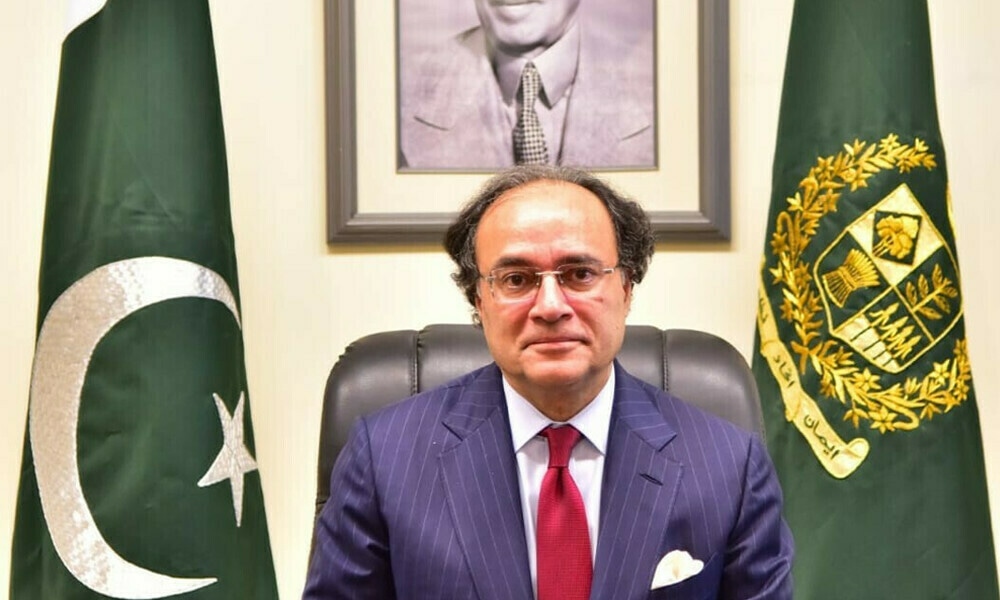
On June 10, 2025, Finance Minister Muhammad Aurangzeb unveiled Pakistan’s federal budget for FY 2025–26, presenting a masterful exercise in fiscal restraint.
Total expenditures have been trimmed by 7 percent to Rs 17.57 trillion (USD 62 billion), while defence spending has been augmented by a 20 percent, rising to Rs 2.55 trillion (USD 9 billion). This recalibration reflects the heightened military posture following recent India–Pakistan tensions and is widely perceived as a well-deserved recognition of the Pakistan Army’s recent victory in the conflict.
Their strategic acumen and operational excellence not only safeguarded national sovereignty but also elevated Pakistan’s regional stature.
Despite the defence surge, the budget maintains a tight rein on the deficit — targeting around 3.9 percent of GDP, with a forecasted primary surplus of 2.4 percent. Growth is projected at 4.2 percent, a significant recovery from prior stagnation.
Inflation is expected to settle between 7–7.5 percent, supported by targeted subsidy removals, fiscal tightening, and administrative price controls.
To meet its revenue objectives, the government has committed to robust tax reforms. These include phasing out the non-filer category, digitizing the Federal Board of Revenue (FBR), and expanding the withholding tax regime. The goal is to enhance the tax-to-GDP ratio from its current 9.5 percent to a more sustainable 14 percent in the coming years.
Muhammad Sheroz Khan Lodhi (Karachi)
Copyright Business Recorder, 2025
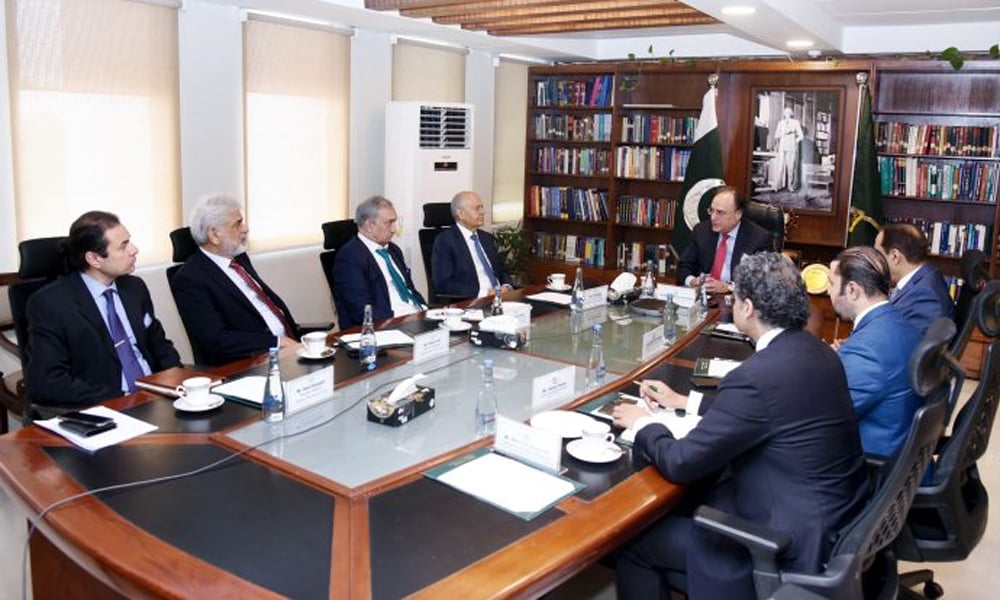
ISLAMABAD: Federal Minister for Finance and Revenue, Senator Muhammad Aurangzeb reaffirms government’s commitment to Consultative Policy Framework in meeting with Pakistan Business Council (PBC).
Minister for Finance Aurangzeb held a meeting Wednesday with a delegation of the PBC, led by its outgoing CEO Ehsan Malik and the incoming CEO Javed Kureishi, at the Finance Division.
The Minister welcomed the transition in leadership at the PBC and extended his full support to the incoming team, reaffirming the government’s commitment to maintaining an inclusive and ongoing consultative process with key stakeholders in the business community.
Aurangzeb informs PBC: Tax policy unit to be relocated to MoF
During the meeting, the Finance Minister appreciated the constructive role played by the PBC, particularly acknowledging the value of its policy input, research, and the extensive sectoral data regularly shared with the government. He underscored the importance of evidence-based policymaking and informed the delegation that the Tax Policy Office had been relocated from the Federal Board of Revenue (FBR) to the Finance Division, with a view to institutionalizing tax policy formulation and strengthening engagement with forums such as the PBC.
Senator Aurangzeb emphasized that the government places high value on the perspectives and feedback of the business and industrial community, and in keeping with this approach, the consultative process for the federal budget 2025–26 was initiated earlier than usual this year. This step was taken to allow greater time for dialogue, reflection, and integration of a wide range of recommendations received from chambers, trade bodies, and business forums into the budget-making process, he added.
Copyright Business Recorder, 2025
ISLAMABAD: Federal Board of Revenue (FBR) Chairman Rashid Mahmood Langrial, Wednesday, categorically stated that the FBR has not been used for political victimisation of politicians and there is no pressure on the FBR to make cases for victimisation.
The FBR chairman informed Senate Standing Committee on Finance that, “I assure the committee that there is no political victimisation and we have never received any order from high ups on such kinds of actions. The politician interference has been totally stopped in the FBR.”
He said that the FBR has already warned tax officials of immediate suspension, in case, they try to exert pressure for seeking choice postings in field formations.
Arrest for tax fraud: Senate panel for defining a threshold
In this regard, the FBR chairman has issued a letter to all the departments with regard to use of extraneous influence by officers/ officials of the FBR in administrative matters.
The Senate Standing Committee on Finance and Revenue, chaired by Senator Saleem Mandviwalla, received a comprehensive briefing on the updated status of its budget recommendations made during the Budget 2025-26 deliberations.
Highlighting alleged harassment of senators by FBR officials, Senator Afnanullah Khan stated that a notice had been issued to an IT company registered under his name. He underlined that FBR demanded income tax on a project which was not completed due to COVID. The FBR chairman assured the committee of prompt resolution, stating that the matter would be thoroughly examined without delay.
Senator Afnanullah Khan accused that a tax official (Additional Commissioner Ali Jafar) of the Corporate Tax Office Islamabad has made a wrong case against his IT company, he alleged before the committee.
The FBR chairman responded that if tax official is found guilty, he would be punished and prosecuted.
Senator Mohsin Aziz said that it is a fact many cases are re-opened against the taxpayers.
Responding to this, the FBR chairman said that, “I have conveyed to the entire tax machinery that it is their work to collect only due tax from taxpayers. Tax officials are not assigned to collect more taxes, but only due and correct amount of taxes from the taxpayers.”
Discussing the recent status of barter trade between Pakistan and Iran, officials stated that the Commerce Ministry has initiated barter trade on the basis of mutual understanding between the parties, and the arrangements will be finalised after the approval of FBR and the State Bank of Pakistan (SBP).
Copyright Business Recorder, 2025
With a total public debt of over PKR 76 trillion (roughly $267 billion), or nearly 65% of total income (i.e., GDP), Pakistan’s economy is in a crippling debt trap. Although this debt-to-GDP ratio is slightly lower than last year, it continues to strain the country’s fiscal space in subtler but persistent ways.
The government has been forced to repeatedly seek bailouts from the International Monetary Fund (IMF) due to the crippling constraints imposed by this debt load. This pattern has become all too familiar, as Pakistan has participated in 24 IMF programmes since 1958.
Pakistan’s dependence on the IMF has reached a critical juncture. The prevailing $3 billion Standby Arrangement (SBA), which was approved in 2023, carries tough stipulations that are significantly affecting the structure of Budget 2025–2026.
These requirements include tax reforms, austerity measures, and the privatization of state-owned businesses. It turns out that Pakistan’s debt crisis has so severely undermined its economic sovereignty that its national budget needs what amounts to external authorization, raising serious concerns about the country’s ability to steer its economy.
Decades of fiscal mismanagement, lax tax administration, and an unsustainable spending pattern have been the main causes of Pakistan’s current predicament. The low tax-to-GDP ratio of 11 percent is due to both political resistance to taxing wealthy elites, especially those in the real estate and agricultural industries, and policy shortcomings. Meanwhile, 48% of federal revenues are currently used for debt servicing, leaving a small amount for social services or pertinent development expenditures.
The circular debt in the energy sector, which has grown to PKR 5.4 trillion, is a prime example of the structural weaknesses in the economy, which include a mix of poor governance, pricing distortions, and long-standing inefficiencies that have been ignored by succeeding administrations.
External shocks, such as the uncertainty surrounding US tariff policy and regional geopolitical tensions, have exacerbated these structural issues. As a result, Pakistan’s economy is caught in a vicious cycle: high debt necessitates IMF support, which imposes austerity that constrains growth, which in turn makes debt repayment more difficult.
However, the IMF-mandated austerity alone will not resolve Pakistan’s challenges. Initiatives like URAAN Pakistan and the government’s 5Es Framework (Exports, E-Pakistan, Environment, Energy, and Equity) are necessary to address the fundamental root causes of Pakistan’s economic vulnerabilities. The framework aims to increase foreign exchange earnings and cut reliance on external debt by giving exports priority.
Through extensive ICT integration, E-Pakistan hopes to bring about a digital transformation that promotes creativity, effectiveness, and accessibility. In order to maintain long-term ecological and economic stability, the environment component places an enormous value on climate resilience and sustainable resource use. A focus on energy seeks to guarantee clean, affordable, and dependable power to support social and industrial advancement.
Last but not least, equity aims to build inclusive human capital through equal opportunity and high-quality education, establishing the groundwork for a society that is just and knowledge-based. When taken together, these pillars show the way to a Pakistan that is advanced, resilient, and forward-thinking. In order to end Pakistan’s economic stagnation cycle to establish a more just and productive economy, these reforms are crucial.
Pakistan must acknowledge that external imposition alone is insufficient to address these structural problems as it negotiates its financial future with the IMF. Domestic political will and societal agreement on economic reforms are essential for real change.
To mitigate the effects of reforms on the impoverished, the upcoming budget offers a chance to start this challenging transition by preserving and even growing social safety nets like the Benazir Income Support Programme (20% increase compared to the previous fiscal year).
Instead of continuing the consumption-driven model of the past, it should place a higher priority on investments in human capital and export-oriented industries that can produce sustainable growth. Additionally, it must commit to multi-year reform programmes with transparent accountability and benchmarks, signaling a real break from the cycle of crisis and stopgap measures.
Hardly could the stakes be higher. Without significant structural changes, Pakistan runs the risk of being stuck in a crippling cycle of debt and dependency for good, losing control over its economic future. The alternative—a persistent dedication to modernization, sound governance, and fair growth—offers the possibility of both macroeconomic stability and true prosperity. Initiatives such as URAAN show that there are answers; the political will to put them into practice on a large scale has been lacking.
Given the nation’s current economic juncture, Budget 2025–26 should be more than just another crisis management exercise; rather, it should signal the start of Pakistan’s massive economic revolution.
Copyright Business Recorder, 2025
The writer is a faculty member at the Pakistan Institute of Development Economics (PIDE). He can be reached via email at [email protected]
KARACHI: In a significant sign of improved fiscal management, the federal government’s borrowing for budgetary support dropped sharply by 30 percent in the last fiscal year (FY25), driven by enhanced fiscal discipline and tighter expenditure controls.
The State Bank of Pakistan (SBP) on Tuesday released the borrowing data for a period of July 1, 2024 to June 27, 2025, which revealed that the federal government borrowing for budgetary support (from SBP and scheduled banks) decreased to Rs 5.554 trillion during the FY25 compared to Rs 7.89 trillion during the same period last year (FY24), showing a notable decline of Rs 2.336 trillion.
The bulk of government borrowing came from scheduled banks, as the IMF has imposed some restrictions on borrowing from the SBP. During the same period, the federal government borrowed Rs 276.5 billion from the state bank, compared to a net retirement of Rs 608.3 billion in the previous year.
Domestic banking sector: Pakistan govt sets Rs5.75trn borrowing target for Q1
On the other hand, government borrowing for budgetary support from scheduled banks recorded a substantial decline of 38 percent or Rs 3.22 trillion during the period July1, 2024 to June 27, 2025. With fresh loans from the scheduled banks, overall, the federal government borrowing decreased to Rs 5.277 trillion in FY25, significantly less than Rs 8.498 trillion in FY24.
Economists said that less-than-targeted revenue collection and slow foreign inflows have compelled the federal government to rely on the domestic banking system to finance the fiscal deficit. However, on a positive note, borrowing has sharply declined, mainly due to record Rs 3.4 trillion SBP’s profits, which was transferred to the government’s account. SBP’s profit also enabled the federal government to conduct the first-ever buyback auction of the government securities.
In a bold and unprecedented step toward fiscal responsibility, the Ministry of Finance has successfully made early retirement of Rs 1.5 trillion in public debt during FY25. The ministry recently retired Rs 500 billion in debt owed to the State Bank a full four years ahead of its scheduled maturity in 2029. Previously, the government successfully bought back Rs 1 trillion in market debt completed by December 2024. This substantial early repayment has also contributed to a notable improvement in Pakistan’s fiscal indicators, bringing the debt-to-GDP ratio down from 75 percent in FY23 to 69 percent in FY25.
Compared to the federal government, provincial governments overall repaid Rs 532 billion to SBP and scheduled banks between July 1, 2024 to June 27, 2025 as against Rs 387.5 billion were repaid during the same period last fiscal year.
According to official statistics, during the review period, collectively provinces repaid Rs 170 billion of budgetary borrowing to the SBP. Among individual provinces, Balochistan repaid Rs 8.2 billion to the SBP, Sindh Rs 145 billion, and Punjab Rs 28.5 billion during the last fiscal year. However, Khyber Pakhtunkhwa borrowed Rs 12 billion from the SBP to meet its financial needs.
Additionally, the Azad Jammu and Kashmir (AJK) government retired Rs 15 billion, while the Gilgit-Baltistan government repaid Rs 7 billion during the same period.
Copyright Business Recorder, 2025
KARACHI: Saquib Fayyaz Magoon, Acting President of Federation of Pakistan Chambers of Commerce and Industry (FPCCI)has briefed the participants federal budget conference that it is not possible to abide by the provisions contained in the Sales Tax Act 1990; such as e-invoicing and e-bilty for each and every consignment.
He informed that the sentiment of the business community is unanimously against the newly introduced provisions of 37A and 37AA of the Sales Tax Act 1990 – stating that the honourable taxpayers of Pakistan are not criminals and shouldn’t be treated that way. It seems that FBR has failed to achieve the tax collection target; and, the taxation matters are now seem to be resolved by arresting the already registered and law-abiding taxpayers and to put them behind the bars unfairly, he added.
Federal budget conference held to highlight technical issues in the federal budget 2025 – 26; along with recommendations and pragmatic solutions for their swift redresses. The conference was attended by multi-sectoral trade bodies, associations and chambers from across Pakistan physically and online in a large number. Notably, there was also senior representation from FBR and PRAL.
Asif Sakhi, VP FPCCI, reiterated that trade and industry is ready to cooperate with the government in its efforts to collect taxes in an honourable manner; but, not at the cost of self-esteem and dignity of the taxpayers.
Nasir Khan, VP FPCCI, highlighted that, in the present scenario, the country seems to be rudderless in its economic policymaking; and, this lack of effective governance may lead to unrest – and, we, as businessmen, are presently left with no option than to shut down our factories to avert losses, he added.
Haji Muhammad Afzal, senior member FPCCI, added that FBR failed to check the unregistered sales and such businesses shouldn’t be allowed to operate who represent unregistered persons or entities.
Umar Rehan, Chairman of Pakistan Vanaspati Manufacturers Association (PVMA), said that aforesaid provisions contained in the budget may result in closure of multiple industrial sectors. We are with the government for its commitment to digitalization; but, in presence of the current budgetary provisions, it is impossible to cooperate with the FBR. We cannot cut invoices in cash amounting more the 2 lacs under the prevailing circumstances; where, cash is not considered a banking instrument.
Towel Manufacturers Association maintained that our businesses are going through losses at the moment; and, we are being labelled by the government as thieves.
Our neighbouring countries are taking advantage of the current situation and taking away our export customers. The business environment has now reached a point that international buyers are asking whether we are shifting our businesses to Dubai or somewhere else.
Representatives from LNG Association expressed their concerns regarding provisions of SRO 709(I)/2025 of Sales Tax; and, shared that the setup required to make e-invoicing facility available has high installation charges for which the sector is not ready.
It is further revealed during the discussion that a lockup sort of setup is being built in the relevant RTOs and that is causing harassment in the business community.
Representatives from Pakistan Security Agencies Association said that they tried to contact PRAL authorities several times; but, they don’t know how to proceed further in respect of procedure to integrate the system of taxpayers to the PRAL setup – and, informed that FBR portals are not ready to cater to the provisions.
Zubair Bilal, Chief Commissioner, IR, Large Taxpayers Office (LTO) Karachi, assured FPCCI of his diligent consideration of the technical points raised collectively from the apex platform of FPCCI and agreed on a continued, inclusive and result-oriented consultative process with the business community.
Copyright Business Recorder, 2025

ISLAMABAD: In a belt-tightening move, the Finance Division notified austerity measures, including ban on purchase of all types of vehicles, procurement of machinery/equipment and creation of new posts for controlling expenditures of the federal government during fiscal year 2025-26.
The notification issued by the division stated that the federal cabinet in its decision dated 10.06.2025 has approved continuation of following austerity measures for fiscal year 2025-26 as already notified by; (i) finance division during fiscal year 2024-25, dated 04.09.2024 in pursuance of Cabinet decision dated 27.08.2024; (ii) Cabinet Division vide OM No 7-1/2023-Min-I dated 28.02.2023 in pursuance of Cabinet decision dated 22.02.2023; and (iii) Cabinet Division vide OM No 9-148/2002-Min-II dated 28.02.2023 in pursuance of Cabinet decision dated 22.02.2023.
Budget 2025–26: Austerity or stimulus?
The notification stated that the Cabinet further approved that:(1) the following austerity measures shall also be applicable mutatis mutandis during fiscal year 2025-26 in the case of all federal government attached departments, state-owned enterprises and statutory bodies etc including regulatory authorities: (a) approved by the Cabinet on 22.02.2023 and notified by the Cabinet Division vide OM No 9-148/2002-Min-II dated 28.02.2023; and (b) approved by the Cabinet on 27.08.2024 and notified by the Finance Division dated 04.09.2024.
In the case of state owned enterprises, these austerity measures shall be considered a direction of federal government under Section 35 of the State-Owned Enterprises (Governance & Operations) Act, 2023 and under the relevant sections of their respective organic laws in the case of statutory bodies.
The Finance Division’s notification issued on September 4, 2024 stated that in pursuance of the Cabinet’s decision for case No 232/28/2024 dated 27.8.2024, the following austerity measures are notified till further orders:-
(i) There shall be a complete ban on the following expenditures with respect to the current budget. (a) Purchase of all types of vehicles with the exception of operational vehicles such as ambulances and other medically equipped vehicles, fire fighting vehicles, buses and vans for educational institutions, solid waste vehicles and motorbikes; (b) Procurement of machinery/equipments with the exception of those required for hospitals/laboratories/agriculture/mining/schools; (c) creation of new posts including contingent paid/temporary posts; (d) Continuation of contingent paid/temporary posts beyond one year; (e) Treatment abroad at government expense; and (f) All non-obligatory visits abroad where government of Pakistan funding is involved.
(ii) The Austerity Measures notified by the Cabinet Division vide OM Nos 7-1/2023- Min-I and No 9-148/2002-Min-II dated 28.2.2023 will remain applicable unless modified or withdrawn by the Federal Cabinet.
(iii) All posts lying vacant for last three years shall be abolished. Purchase of durables and creation of posts under PSDP funded projects shall be exempted from the application of this ban.
Copyright Business Recorder, 2025
ISLAMABAD: The Ministry of Finance on Friday notified grant of ad hoc relief of 10 percent and 30 percent grant of Disparity Reduction Allowance-2025 to the employees of the federal government.
The ministry issued an office memorandum which stated that the President has been pleased to sanction with effect from 01.07.2025 and till further orders, an Ad hoc Relief Allowance-2025 @ 10 per cent of running basic pay to Armed Forces Personnel, Civil Armed Forces and to all the Civil Employees of Federal Government as well as the civilians paid from Defence Estimates and contract employees employed against civil posts in basic pay scales on standard terms and conditions of contract appointment.
The amount of Ad-hoc Relief Allowance-2025: i. will be subject to Income Tax; ii. Will be admissible during leave and entire period of LPR except during extra ordinary leave; iii. Will not be treated as part of emoluments for the purpose of calculation of pension/gratuity and recovery of house rent; iv. Will not be admissible to the employees during the tenure of their posting/deputation abroad; and v. Will be admissible to the employees on their repatriation from posting/deputation abroad at the rate and amount which would have been admissible to them had they not been posted abroad.
Employees demand reasonable salary increase
The term “basic pay” for the purpose of Ad-hoc Relief Allowance-2025 will also include the amount of the personal pay granted on account of annual increment (s) beyond the maximum of the existing pay scales.
The above Ad-hoc Relief Allowance-2025 shall be accommodated from within the budgetary allocation for the year 2025-26 by the respective ministries/divisions/departments and no supplementary grants shall be allowed on this account.
Another office memorandum issued by the Finance Ministry stated that the President has been pleased to sanction with effect from 01 .07.2025 grant of Disparity Reduction Allowance (DRA) @ 30 per cent of basic pay as on 30.6.2022 to the officers/officials in BPS-1 to 22 who are already drawing DRA on the same terms and conditions provided under Finance Division’s O.tM No. F.No. 14(1)R-312021-69, dated 23.02.2022and OM No FNo 14(1)R3l2o21dated 19th July 2022. For those employees who have been appointed on or after 1-7-2022, this allowance will be admissible on the basis on relevant initial basic pay scale of 2017.
Copyright Business Recorder, 2025
KARACHI: The recent move in the federal budget 2025-26 to impose a 10% tax on imported solar panels marks a critical turning point in the country’s renewable energy journey, while impacting consumers and dealers, according to economic nationalists and clean energy advocates.
It could also ramp up investments in local solar panel manufacturing.
After an initial proposal of an 18% tax was rolled back after the industry’s reaction-cum-pushback, the newly-approved 10% levy is due to push up panel prices by 8%–10% starting from July 1, directly impacting consumers and dealers.
The government insists this decision balances fiscal needs while maintaining support for clean energy.
However, Pakistan has witnessed a historic solar boom, while becoming the world’s largest importer of solar panels in 2024.
Ali Majid - LONGi Green Energy Technology Co Ltd General Manager Central Asia and Middle East and North Africa - said Pakistan’s solarisation momentum faces challenges with the 10% tax on imported panels.
Speaking to Business Recorder, he said he believes a long-term drive for clean energy, along with local initiatives to boost domestic solar manufacturing and optimize supply chains, can help mitigate cost impacts.
LONGi said it is committed to working with stakeholders, offering efficient, cost-competitive products and solutions, to support Pakistan in sustaining its solar growth trajectory despite these short-term hurdles.
Majid said for households and industries, the tax-driven price hike will add to energy cost burdens. But LONGi aims to ease the impact.
According to Majid, “We’ll leverage our global scale, research and development (R&D) strength, and local presence to provide high-efficiency, reliable solar products at optimized costs.”
“By promoting distributed generation and energy-saving solutions, we help reduce long-term energy expenses, supporting both sectors to navigate inflationary pressures and still embrace solar benefits.”
‘Solar continues to be the smarter long-term choice’
Meanwhile Livoltek’s Pakistan Director Sales, Max Ma, said the 10% tax will slightly scale up solar system costs, but grid electricity remains significantly more expensive and unreliable.
He told Business Recorder that while some price-sensitive customers may hesitate initially, solar continues to be the smarter long-term choice—especially with net-metering and financing options.
He said, “At Livoltek, we’re focused on easing this transition by offering high-efficiency inverters and energy storage solutions that maximize return on investment.”
“Our nationwide support network and after-sales service ensures customers feel confident in choosing solar. We believe the shift to clean energy will continue, and Livoltek remains committed to making it both accessible and sustainable for Pakistani households and businesses.”
He added that this policy could be a stepping stone toward local manufacturing—if supported by government-backed incentives, infrastructure investment, and R&D facilitation.
As a global clean energy brand with a growing footprint in Pakistan, Livoltek says it is already exploring localized assembly and partnerships to enhance supply chain resilience and cost efficiency.
Max Ma said, “We are prepared to play an active role in building a stronger local ecosystem. Encouraging domestic manufacturing can reduce import reliance, create jobs, and stabilize prices. But it requires a collaborative effort between the private sector and policymakers to turn this into a national success story.”
‘Demand for solar remains resilient’
Business Recorder also spoke to analyst Usman Suhail said the 10% levy on imported solar panels is likely to increase retail prices, creating immediate cost pressure on both residential and commercial buyers.
This price hike may temporarily slow down new solar installations, especially in the lower-income and small business segments that were driving the recent boom.
However, demand for solar remains resilient due to ongoing grid instability and rising electricity tariffs.
“Rather than a mass shift back to grid electricity, we may see a slowdown in new installations, not a reversal. On the upside, this move could incentivize serious investment in local solar panel manufacturing, which has long struggled to gain traction due to cheaper imports. But establishing competitive local supply will require policy support, quality assurance, and technology transfer,” he said.
In the short term, price sensitivity could reduce sales volume, but the long-term market fundamentals still favor solar—if supported by consistent policy and incentives for local production.
In an era where optimism often flickers under the weight of uncertainty, Pakistan seems to have finally turned the dial in its favour.
The country’s new economic momentum structured around reform-driven governance, investor-centric policy frameworks, and an assertive geopolitical posture is beginning to spark a rare confluence of confidence and credibility. At the heart of this strategic recalibration lies the Special Investment Facilitation Council (SIFC), a state-level institutional mechanism that is now proving to be far more than a bureaucratic symbol.
The government’s ambition to attract US$ 5 billion in foreign direct investment (FDI) is not just rhetorical it is now backed by tangible indicators, from soaring remittances and bullish capital markets to an unprecedented Rs 4.2 trillion development outlay for FY2025–26.
Unlike previous economic plans that often stumbled at the altar of execution, this one appears both technically sound and politically backed, signalling a determined move from stagnation to structured growth.
The post-budget environment in Pakistan tells a compelling story of market revival and strategic foresight. The KSE-100 index, long seen as a bellwether of investor sentiment, soared past the 125,000 mark a record high that is not merely symbolic but reflects deep-rooted optimism in the financial ecosystem. It is no coincidence that this surge was led by foreign investors, underlining Pakistan’s emerging credibility in global markets.
The budget has been well received across sectors, with economists and market strategists identifying key policy anchors that aim to shift the economy from short-term consumption patterns to sustainable, production-led growth.
The IMF’s endorsement of recent reforms further consolidates Pakistan’s reformist narrative, while the active dismantling of red tape through SIFC’s oversight is removing historical bottlenecks that once stifled both local and foreign investment. In this new configuration, SIFC has become the cornerstone of investment confidence not only fast-tracking approvals but also improving inter-agency coordination, a chronic structural weakness in the past.
This forward-looking investment strategy is not confined to rhetoric or theoretical frameworks. It is underwritten by the Rs 4.2 trillion development envelope, of which Rs 1.4 trillion is allocated to the Public Sector Development Programme (PSDP), while Rs 2.8 trillion will be channelled through non-PSDP instruments like public-private partnerships and foreign-funded initiatives.
Balochistan, often pushed to the economic periphery despite its geostrategic significance, is now taking centre stage in this paradigm. Federal Planning Minister Ahsan Iqbal’s assertion that “no region will be left behind” is not just political grandstanding but is backed by project-specific commitments in water management, solarisation of remote districts, higher education, and accelerated execution of the second phase of the China-Pakistan Economic Corridor (CPEC) in Gwadar and Makran. This includes the creation of a new Climate Change Fund by the provincial government a significant move that aligns regional sustainability priorities with the federal development matrix. For the first time in decades, Balochistan is no longer merely a line item but a strategic axis in the national development strategy.
The broader narrative is equally encouraging. Pakistan’s manufacturing base once a victim of policy inertia and energy shortfalls is being recalibrated to support export-led growth, with the textile, food processing, and IT sectors receiving focused policy attention.
Finance Minister Muhammad Aurangzeb’s unveiling of a Rs 50 billion Industrial Revival Fund is a clear message that the government intends to walk the talk. Special tax incentives, capital repatriation ease, and a renewed focus on digital exports are now forming the architecture of a 21st-century industrial strategy. With IT exports projected to cross $3 billion this fiscal year, there is a credible roadmap in place.
More importantly, these initiatives are being undertaken with a view to restructuring Pakistan’s growth model from a reliance on consumption and external debt to value-added exports and foreign investment inflows.
Analysts at Moody’s, Fitch, and JP Morgan forecast a 30–40 percent increase in FDI over the next year a projection contingent, of course, on continued fiscal discipline and uninterrupted policy continuity, both of which now seem more plausible given the institutional backing of the current economic plan.
While challenges such as inflationary pressures, external debt servicing, and uneven revenue generation persist, they are no longer defining the economic conversation. Instead, the narrative has decisively shifted towards opportunity, structure, and long-term resilience.
Pakistan appears to be in the early stages of what could be described as a strategic economic reset transitioning from a reactive, stabilisation-focused approach to one that is proactive, structured, and regional in outlook. The recent promotion of Chief of Army Staff Syed Asim Munir co-chair of the SIFC to Field Marshal adds another layer of strategic continuity to the reform process.
With military stability, political alignment, and institutional reforms now moving in tandem, Pakistan’s path forward looks less precarious and more purpose-driven.
The historic capital market rally, coupled with visible improvements in fiscal planning and provincial integration, suggests that Pakistan is not just scripting a new chapter it is attempting to rewrite the entire playbook of its economic future. If current trends sustain and policy discipline holds, the country may well be on the brink of its most transformative economic decade in recent memory.
Copyright Business Recorder, 2025
The writer is an independent researcher who writes on issues concerning national and regional security, focusing on matters having critical impact in these milieus. She can be reached at [email protected]
EDITORIAL: The federal government has pledged US$ 6.8 million over a five-year period for the “Prime Minister’s Programme for the Prevention and Control of Diabetes.”
Following a meeting with key stakeholders on Tuesday, Minister for Planning, Development and Special Initiatives, Ahsan Iqbal, announced the initiative, emphasising the urgent need to address Pakistan’s rapidly rising diabetes rates.
The programme begins in the federal capital in its first year, expanding to the provinces from the second year onward. The goal is to reach approximately 33 million Pakistanis through screening, diagnosis, and treatment by leveraging primary healthcare facilities, lady health workers, and public awareness campaigns.
While this initiative is a crucial first step, it is a relatively modest effort, given the scale of the crisis. Pakistan is among the top three countries where diabetes is spreading at an alarming rate. Surveys estimate that 28–33 percent of the urban population is affected, while about 27 percent of cases go undiagnosed.
The proposed funding, which will be shared between the federal and provincial governments, covers only a fraction of what is truly needed to overhaul diabetes prevention, education, medication access, and long-term disease management.
Nonetheless, it is encouraging that the majority of the target population is included within the programme’s scope — an indication that the government recognises the seriousness of the issue. This approach is also in line with expert recommendations to integrate diabetes prevention into primary healthcare systems.
However, it’s important to address the root causes fuelling the surge in Type 2 diabetes: increasing consumption of ultra-processed foods, sugary beverages, and sedentary lifestyles. The result is a silent epidemic that leads to severe health complications such as heart disease, kidney failure, and other issues. These challenges require not only medical intervention but also effective preventive measures, including mass screening, public nutrition education, and tighter regulation of unhealthy food products — all of which should be central to the new government plan.
Unfortunately, the broader context is anything but reassuring. The recent 16 percent cut in the federal health development budget undermines the government’s capacity to complete essential infrastructure projects and build preventive healthcare systems.
While the US$ 6.8 million programme is commendable, its success depends on sustained investment, cross-sector collaboration, and systemic reforms. To effectively stem the tide of diabetes — as well as to fight serious communicable diseases such as hepatitis, polio, and tuberculosis — the federal and provincial governments need to scale up resources and ensure universal access to screening and affordable treatment.
Only through a comprehensive and well-resourced approach can this initiative become an important milestone in health equity for our people.
Copyright Business Recorder, 2025
LAHORE: The 1758th meeting of the Syndicate was held under the chairmanship of Vice Chancellor Prof Dr Muhammad Ali for the budget recommendations of Punjab University for the financial year 2025-26, in which the Syndicate recommended the Senate to approve a budget of Rs20.16 billion.
On the directions of Dr Muhammad Ali, it has been recommended to increase scholarships and subsidies to reduce the financial burden of students and their parents.
On the instructions of Dr Muhammad Ali, the university has increased the amount of scholarship from Rs380 million to Rs406 million compared to the previous year. In addition, scholarships will also be given to students of the university under the Honhaar Scholarship Programme, HEC and Punjab Education Endowment Fund.
Due to the initiatives of Dr Muhammad Ali, the budget deficit of Punjab University has decreased for the first time. This year, the budget deficit is Rs1.2 billion compared to Rs2 billion last year.
On this occasion, the syndicate members appreciated the austerity policy of the Punjab University administration. On the instructions of Dr Muhammad Ali, approval was given to increase the research grant from Rs229 million to Rs297 million to further improve the international ranking of the university and promote the research culture that has a positive impact on the country’s economic and social development.
Speaking on the occasion, Dr Muhammad Ali said that the university’s budget deficit will be eliminated in the next 3 years. He said that the university will prioritize increasing sources of income instead of borrowing. He said that the university’s endowment fund will be strengthened. For the first time, the university will receive a grant of Rs780 million from the Punjab government.
According to other salient features of the budget, special students will be provided free education and free accommodation, while students who take admission on the basis of sports will be provided free education and tuition fees for Hafiz Quran will be waived.
The Punjab University administration will provide a subsidy of crores of rupees to students residing in the hostel, transport while the subsidy provided towards electricity bills in teaching departments is in addition to this.
Copyright Business Recorder, 2025
ISLAMABAD: The National Assembly Standing Committee on National Food Security and Research was informed that development budget of the ministry had been significantly reduced from Rs24 billion to Rs4.7 billion due to fiscal constraints imposed by the federal government under its obligations to the International Monetary Fund (IMF), leading to the curtailment of various planned projects.
The committee met under the chairmanship of Syed Tariq Hussain, which considered agenda item regarding the point of order raised by Asad Qaiser, MNA and former Speaker of the National Assembly, concerning the challenges faced by tobacco growers and the need for a comprehensive policy to address their concerns.
It was informed that tobacco is a significant cash crop in Pakistan, cultivated over approximately 55,000 hectares with an annual production of 186,000 tons. Of this, KPK contributes significantly, with 32,936 hectares under cultivation and annual production of around 97,385 tons making it the primary contributor to Pakistan’s exportable tobacco. Despite its importance, tobacco growers face financial hardship.
The crop spans eight months, and the cost of cultivation on one hectare reaches approximately Rs1.9 million, while farmers report an average monthly profit of only Rs3,700. Contributing factors include delays in announcing the indicative price, lack of government procurement, poor performance of the Pakistan Tobacco Board (PTB), insufficient federal oversight, lack of research and development, and failure by the Ministry of National Food Security and Research to appoint or nominate PTB members.
The Pakistan Tobacco Board informed the committee that it had conducted meetings with stakeholders and that tobacco is currently being purchased using a weighted average method. The board also claimed to address concerns regarding pricing, rejections, and related matters. However, the committee expressed concern over the PTB’s lack of performance and coordination with growers.
The committee issued several directives to ensure comprehensive follow-up. The Pakistan Tobacco Board, the Ministry of National Food Security and Research, the KPK Agriculture Department, and the Federal Board of Revenue (FBR) were instructed to present detailed information in the next meeting, including the current tobacco taxation policy, CESS collected over the last 10 years, utilisation details of collected CESS and the policy framework under which it was used, CSR activities undertaken, and the breakdown of CESS collected by the federal government and shared with provinces, including under which budgetary heads.
The committee directed the secretary of the Ministry of National Food Security and Research to constitute the Pakistan Tobacco Board within one month and submit a report to the committee.
Additionally, the secretary was instructed to convene an emergency meeting of the board to address the outstanding issues faced by tobacco growers and to provide a follow-up report within one week. The Federal Board of Revenue (FBR) is to be invited to the next meeting to present details specifically related to CESS collection.
The Pakistan Agricultural Research Council (PARC) was also assigned the task of outlining its support initiatives for tobacco growers and presenting a proposal for establishing a research centre aimed at improving the quality and productivity of tobacco crops.
The committee directed the Pakistan Tobacco Board, along with the relevant provincial and federal government authorities and representatives of tobacco growers, to hold a joint consultation and submit a comprehensive report addressing all unresolved issues prior to the next meeting.
To further facilitate discussions on this matter, the committee granted Shehram Khan Tarakai, MNA, the status of Special Invitee for all future proceedings related to tobacco issues.
The committee raised concern with the ministry over the exclusion of several schemes previously discussed and recommended by the committee, in particular the proposed Dates Research Centre at Khairpur, to be established in collaboration with Shah Abdul Latif University.
In response, the secretary explained that the ministry’s development budget had been significantly reduced from Rs24 billion to Rs14 billion, then to Rs7 billion, and finally to Rs4.7 billion due to fiscal constraints imposed by the federal government under its obligations to the IMF, leading to the curtailment of various planned projects.
The committee reiterated its directive to the Pakistan Agricultural Research Council (PARC) to visit Khairpur along with the concerned Member and to submit a feasibility report before the Committee, so the project may be pursued through re-appropriation of funds.
In relation to Agenda Item No 4, the Pro Vice-Chancellor of Muhammad Nawaz Sharif University of Agriculture, Multan briefed the committee on the university’s ongoing and planned research initiatives, their impact on national food security, collaborations at both national and international levels, and the utilisation of research funds.
Key innovations highlighted included the development of hybrid wheat varieties that can increase crop yield by up to 20 per cent, and self-irrigating wheat with modified leaf angles to channel water directly to the roots while minimising evaporation.
Additionally, they are working on drillers expected to be commercialised within the next three years, aimed at increasing wheat productivity to 80–100 maunds per acre. Other areas of research include pulse production, digital marketing platforms for post-harvest handling and market access, fruit value addition, soil-less vegetable farming, salinity adaptation in the Southern Indus Basin, cotton and vegetable seed research, and the establishment of a National Crop Genomics and Speed Breeding Centre.
The committee appreciated the university’s efforts and emphasised the importance of making research outcomes accessible to farmers. It stressed that practical application of these innovations is critical to enhancing agricultural productivity and ensuring national food security.
Furthermore, the committee urged the ministry to present a comprehensive 20-year agricultural development plan. Despite the research and efforts underway, major crop production has declined by 17 per cent, highlighting the urgent need for a long-term strategy that addresses the growing challenges of pollution, climate change, and sustainability in the agriculture sector.
Copyright Business Recorder, 2025
The cost of doing business for Pakistan’s e-commerce sector has significantly increased following the imposition of new taxes on courier services under the Finance Act 2025, it was learnt on Wednesday.
According to industry stakeholders, logistic service is one of the key expenses the sector has seen increase in, due to 2% withholding tax and 2% sales tax on delivery of different items based on Cash on Delivery (COD).
Courier companies have begun deducting these taxes from online sellers, in compliance with new regulations approved in the federal budget as the Federal Board of Revenue (FBR) has designated courier companies as collection agents, given that they hold sellers’ invoices and act as intermediaries.
Is the budget changing how government views e-commerce?
As per the Finance Bill, these companies are now responsible for collecting and depositing the relevant taxes on behalf of e-commerce sellers.
Pakistan E-commerce Association (PEA) chairman Omer Mubeen warned that the new tax measures would shrink profit margins and put an additional burden on customers.
Online sellers slash their margins to offer discounts and free delivery to attract customers, now they have limited options to continue their businesses as compared to physical retail shops paying nothing in taxes.
While large e-commerce marketplaces may be able to absorb some of the increased costs internally, small and medium-sized (SME) sellers are expected to pass on the financial impact to consumers in order to stay afloat.
“The rising cost of taxes, coupled with increasing fuel prices and utility charges, particularly electricity, gas, and internet are further squeezing already narrow profit margins for online businesses in Pakistan,” he said.
Mubeen urged the government to provide a transition period for sellers to register with tax authorities and proposed that the 2% withholding tax should be waived for registered merchants. He also recommended introducing a nominal 0.25% income tax for compliant sellers to ease their financial burden and encourage documentation and digitisation.
Courier companies have also started advising e-commerce businesses and individual sellers to complete tax registration in order to continue availing delivery services. Without proper registration, courier companies and online marketplaces will not be authorised to process or ship such orders.
However, one-time sellers and women selling goods from their homes will be exempted from mandatory registration under the new e-commerce tax rules.
Usman Akhtar, a Lahore-based e-commerce entrepreneur, expressed concerns over the new taxes, stating that thousands of budding online sellers, many of whom are students or young professionals, have invested time and capital to build sustainable businesses. He described the new taxes as “discouraging” for emerging entrepreneurs.
“These young sellers are now forced to bear additional tax costs and navigate a complex registration process that may not be feasible for many,” he said.
Akhtar said while other countries incentivise e-commerce and digital sectors through tax holidays and support policies to foster entrepreneurship and employment, Pakistan’s short-term revenue-driven approach threatens long-term growth potential.
The government should analyse the market trends of e-commerce growth in Pakistan, independently and review its decision to end taxes on online business across the country at least for the next five years.
Taxing the digital frontier: Pakistan’s bold move to tap e-commerce and online revenues
Online sellers slash their margins to offer discounts and free delivery to attract customers, now they have limited options to continue their businesses as compared to physical retail shops paying nothing in taxes.
According to estimates, Pakistan’s e-commerce sector has grown over 35% annually in the past five years. Today, over 100,000 micro and small online sellers are active, supporting incomes for more than a million people nationwide.
The market share of e-commerce carried out on COD model stands over 90% in Pakistan. The country’s total market size is estimated at Rs2.2 trillion ($7.7 billion), which is under 2% of the national gross domestic product (GDP) and trailing behind regional peers.
EDITORIAL: The June monthly update and outlook, a publication of the Finance Division, claimed successes, are not backed by corresponding data. It began by maintaining that “Pakistan’s economy continued growth momentum in 2025, supported by strengthened macroeconomic fundamentals, prudent fiscal management, and improved external sector performance.” This can be challenged on three counts from data within uploaded in the Update.
First, with respect to the strengthened macroeconomic fundamentals the Update’s figures show that foreign exchange reserves with the State Bank of Pakistan on 20 June 2025 were 9.1 billion dollars — 6.9 billion dollars less than the rollovers that have been extended by the three friendly countries notably China, Saudi Arabia and the UAE; foreign investment declined from 1.58 billion dollars July-May 2024 to 1.35 billion dollars in the same period of 2024-25 with a decline in portfolio investment from negative 559.5 million dollars in 2024 to negative 624.4 million dollars in 2025 (ironically this decline of forewing portfolio investment had no impact on Pakistan Stock Market, which rose by 58.4 percent, which sceptics argue may be because the government remained reticent about taxing this sector); and consumer price index plummeted from 5.34 percent July-May 2024 to 2.29 percent in the comparable period of 2025 (though the poverty levels in the country rose to 44.2 percent as per the World Bank).
Second, prudent fiscal management is on the back of a massive rise in non-tax revenue from the rise in collections under petroleum levy (with the upper limit removed), an indirect tax whose incidence is on the poor more than on the rich.
Revenue from this source accounted for a whopping 21 percent rise in the revised estimates of 2023-24 from 2022-23 and in the current year’s budget the rise is projected at 26 percent more than last year – from 1161 billion rupees in the revised estimates of last year to 1468.39 billion rupees in 2025-26 with implications on the value of each rupee earned by the general public. For comparison it is relevant to note that the revenue from petroleum levy is 10 percent of FBR’s total projected tax collections for the current year.
And finally, external sector performance improved with a massive rise in remittances — from 27 billion dollars July-May 2023-24 to 34.89 billion dollars in 2024-25. Setting aside allegations of the State Bank of Pakistan purchasing dollars in the open market and crediting them under remittances, a charge levelled by some economists that were not refuted, the Independent Power Producers established under the China Pakistan Economic Corridor have sent numerous reminders to the government to clear their dues that have accumulated to 500 billion rupees (1.72 billion dollars).
Additionally, exports have improved by 4 percent July-May 2025 against the same period the year before; however, imports (raw materials and intermediate goods are required to propel growth) rose by 11.5 percent with the trade deficit rising to 24 billion dollars against nearly 20 billion dollars the year before. And the icing on the cake is the July-April 2025 negative 1.52 percent growth in large-scale manufacturing sector against positive 0.26 percent growth in the comparable period the year before.
The report further inexplicably maintains that the “ongoing International Monetary Fund programmes (Extended Fund Facility and Resilience and Sustainability Facility) along with upgraded credit ratings bolstered policy credibility and investor’s sentiment.” The credit rating by all three rating agencies, including the April upgrade, retain Pakistan at below investment grade and within the highly speculative indicative of material default risk with a limited margin of safety (largely defined as being on an IMF programme).
Furthermore, the claim that “the government remains committed to structural reforms, focused on tax harmonization, energy pricing, and privatisation…” is easily challenged as the reliance on indirect taxes is to the tune of nearly 80 percent of the total budgeted tax revenue — 60 percent from identified indirect taxes and 75 to 80 percent of direct taxes to be collected from withholding taxes levied in the sales tax mode, lower energy pricing is based on projected savings from renegotiated IPP contracts and borrowing over a trillion rupees from commercial banks at low rates (assumption that the discount rate will continue to fall), and privatisation is yet to kick off with the actual budgeted privatisation proceeds at only 87 billion rupees (around 300 million dollars).
The economy remains fragile and the general public is reeling under historically high poverty levels with resilience linked to continued assistance from multilaterals and friendly countries. It would have sent the right signal if expenditure had been slashed on all current expenditure items (which have all been raised) rather than through projecting a decline in the discount rate that would reduce the mark-up payable on past and lower budgeted loans in 2025-26 — a rate that can only be reduced with IMF staff concurrence who have repeatedly warned in their recent documents against reducing the rate without supporting data.
Copyright Business Recorder, 2025
ISLAMABAD: The Economic Coordination Committee (ECC) of the Cabinet has reaffirmed its stance on deregulating sugar prices, reiterating that no subsidy or tax exemptions will be available for sugar imports in FY 2025-26.
The Finance Ministry communicated this clearly on financial position and commitments with the International Monetary Fund (IMF).
On June 27, 2025, the Ministry of National Food Security and Research (MNFS&R) sought emergency approval from the ECC Chairman and Finance Minister Senator Muhammad Aurangzeb to present a summary due to urgent market concerns. Approval was granted.
De-regulating the sugar industry: do not drop the ball again
The MNFS&R briefed the ECC that a meeting of the Prime Minister’s Committee, formed on March 16, 2025 under the Deputy Prime Minister, was held on June 19. The committee noted that sugar prices remain high, and current stock levels are inadequate to stabilize the market.
The committee concluded that demand-pull inflation in the sugar market could only be mitigated by increasing supply. Despite multiple appeals, the sugar industry has refused to reduce ex-mill prices to the agreed range of Rs.154–159/kg. As a result, the committee recommended importing up to 500,000 metric tons (0.500 MMT) of white sugar.
A subsequent Sugar Advisory Board (SAB) meeting on June 23 reviewed stock levels, reported at 2.575 MMT, and evaluated consumption trends. The average monthly consumption, net of exports since the start of the crushing season (November 21, 2024), is 0.541 MMT — a level that may only just meet domestic demand through the next season, leaving no surplus stock for FY 2025-26.
Consultations with sugar dealers and federal and provincial agencies reveal tight supply and rising demand, enabling hoarding and profiteering. Projections suggest sugar prices could climb to Rs.190/kg ex-mill and Rs.200/kg at retail by November 2025.
To curb the ongoing price surge, the MNFS&R proposed importing white sugar and requested the federal government provide duty and tax relief on imports until September 30, 2025.
A Steering Committee was proposed to manage import logistics, price setting, and distribution, including Federal Minister for MNFSR (Chairman), Federal Minister for Commerce, Special Assistant to the Prime Minister (Foreign Affairs), Secretaries of Finance, Commerce, MNFSR, and Industries, the FBR Chairman, Chief Secretaries of all provinces and Chairman of the Trading Corporation of Pakistan (TCP).
The committee will determine the import quantity and procurement methods, including government-to-government (G2G) deals, private importers, or via the TCP.
The TCP has provided cost estimates both inclusive and exclusive of duties/taxes for an import volume of 100,000 MT (+/- 5%).
Following the presentation, MNFSR formally requested the ECC’s approval for importing up to 0.500 MMT of white sugar through this mechanism.
However, the Finance Division emphasized that no subsidy is allocated for sugar imports in the FY 2025-26 budget and IMF conditions prevent any waiver of duties or taxes. The ECC reiterated its earlier directive to deregulate sugar prices, noting that any import proposal must include detailed financial implications for ECC approval.
After a thorough discussion, the ECC approved the formation of the Steering Committee, which will submit detailed recommendations and financial evaluations for final decision-making.
Copyright Business Recorder, 2025
ISLAMABAD: The Federal Board of Revenue (FBR) has totally abolished Additional Customs Duty (ACD) on the import of goods falling under the customs duty slabs of zero percent, 5 percent and 10 percent from July 1, 2025.
From July 1, 2025, the FBR has also reduced Regulatory Duty (RD) on the import of 1,022 items. In this regard, the FBR has issued two notifications here on Tuesday to implement customs tariff reductions.
According to the officials, the overall goals of the National Tariff Policy 2025-2030, formulated by the Ministry of Commerce, are elimination of ACD in 04 years, elimination of RD in 05 years, complete phasing out of Customs duties exemptions under 5th schedule in 05 years, reduction of Customs Duty slabs from existing 5 slabs to 4 Slabs of 0%, 5%, 10% and 15%.
National Tariff Policy: govt approves phased elimination of import duties
The Budgetary changes in Additional Customs Duty (ACD) and Regulatory Duty (RD) introduced in the Federal Budget 2025-26 are closely aligned with the National Tariff Policy. These reforms aim at achieving simplified duty structure, reduction in costs of production for industry, and promote trade facilitation.
By lowering ACD and RD rates on a broad range of goods – particularly raw materials and intermediate inputs – the policy seeks to ensure a more predictable and transparent tariff regime that supports industrial growth and encourages export-led growth.
Recalibration of Additional Customs Duty (ACD) has been introduced through SRO 1151(I)/2025, replacing the earlier SRO 929(I)/2024. ACD has been removed entirely for goods falling under the 0%, 5%, and 10% CD slabs – except for some tariff lines which will continue to be charged ACD at 2%. For goods under the 15% slab, ACD has been reduced from 4% to 2%. For goods under the 20% slab see a reduction from 6% to 4%, 2% or 0%.
For slabs above 20%, the ACD is lowered from 7% to 6%. These changes aim to bring parity in effective protection levels and lower the cost of doing business, especially for intermediate and capital goods essential to export-oriented and import-substitution industries. Under Regulatory Duty (RD) reforms notified vide SRO 1152(I)/2025 RD has been reduced on 1,022 PCT codes. This includes substantial reduction of 50% and 20% on around 1000 PCT codes.
The maximum RD rate has been cut significantly from 90% to 50%, aligning with international trade norms and reducing excessive protection. The regulatory duties have not been completely removed for locally produced goods to provide protection to local industries. On more than 900 PCT codes of mainly consumer goods, RD has been retained at prior rates, officials added.
Copyright Business Recorder, 2025
LAHORE: Punjab Assembly on Monday approved 38 demands exceeding Rs509.71 billion under the supplementary budget for 2024-25 in the absence of the opposition.
The Punjab Assembly session, delayed by four hours and four minutes, commenced under the chairmanship of Speaker Malik Muhammad Ahmad Khan.
On the occasion of International Day of Democracy, Syed Ali Haider Gillani, the parliamentary leader of the Pakistan People’s Party (PPP), presented a resolution in the House, which was passed by a majority vote. Upon completion of the agenda, the Punjab Assembly session was adjourned indefinitely.
Addressing the assembly, Speaker Malik Muhammad Ahmad Khan talked in detail on the significance of parliamentary rules rooted in constitutional principles. “The House operates under constitutional rules, which hold sanctity,” he stated. “Whether it’s the oath, the quorum of members, the roles of the Speaker, Deputy Speaker, Leader of the House, or Leader of the Opposition—all are defined by the Constitution. The conduct of business is not subject to anyone’s will but is bound by constitutional provisions.”
He further highlighted that the Governor’s address, call-attention notices, or ministerial reports are all enshrined in the Constitution. Criticizing disruptive behaviour, the Speaker remarked, “There was deafening noise about stolen elections and claims that the government was formed through Form 47. Efforts were made to craft a narrative based on 37 excuses, but why was no discussion held on such conduct that violates the sanctity of the Assembly?”
Asserting his commitment to upholding the law, the Speaker declared, “I will not allow any violation of the law in the Punjab Assembly. Disputes are part of democratic representation, but I will not permit disgraceful behaviour, especially the hurling of abuses that demean women.”
On this occasion, the Speaker also directed treasury members to table a resolution against the opposition’s conduct.
During the session, government member Ahsan Raza speaking on the point of order said, “Your decision to strengthen Parliament on International Parliament Day is commendable. The strength of democracy lies in the strength of Parliament. Parliament is a strong and sacred institution, but the storm of misconduct witnessed here is not a good sign for democracy. The opposition should adopt parliamentary language. The leadership of PML-N has always played its part in strengthening democracy.”
Government member Amjad Ali Javed remarked, “The Chair has always tried to work with the opposition, but they unleashed a storm of misconduct under the guise of the right to protest. The Chair repeatedly attempted to explain that democratic traditions should flourish, but they refused to understand.” He added, “Speaker Malik Muhammad Ahmad Khan has established democratic traditions in the House that were not present before.”
Government member Madad Ali Shah, said, “If no one guide a child he will be spoiled. It is our duty and responsibility to curb the opposition’s misconduct.”
Another government member, Salahuddin Khosa, stated, “The opposition itself sent the founder of PTI to jail. The opposition leaders flattered the founder so much that they elevated him to the skies. Their behaviour is not just a problem for themselves but for their party as well.”
During the session, government member Ahsan Raza addressed a point of objection, stating, “Your decision to strengthen Parliament on International Parliament Day is commendable. The strength of democracy lies in the strength of Parliament. Parliament is a strong and sacred institution, but the storm of misconduct witnessed here is not a good sign for democracy. The opposition should adopt parliamentary language. The leadership of PML-N has always played its part in strengthening democracy.”
Punjab Finance Minister Mujtaba Shujaur Rehman addressed the Punjab Assembly, announcing that the current fiscal year’s budget stands at Rs. 5,345 billion, with a development budget of Rs. 1,240 billion. He stated that the government has fulfilled the International Monetary Fund’s (IMF) condition by maintaining a budget surplus. This year’s supplementary budget exceeds Rs. 510 billion, with Rs. 266.6 billion allocated for developmental expenditures.
The minister emphasised prioritizing public welfare projects over salary increases, with the largest share of resources— Rs. 126 billion—dedicated to road infrastructure. Punjab’s total budget exceeds Rs. 1,013 billion, aimed at fostering sustainable economic growth. To curb wasteful spending, the government has initiated public welfare schemes, ensuring a fast-paced and socially equitable budget.
During the session, the Punjab Assembly approved a supplementary budget worth over Rs. 510 billion for the fiscal year 2024-25. Key allocations include Rs. 46.50557 billion for Police department, Rs. 2.341609716 billion for irrigation, Rs. 172.349 million for Forest Department, Rs. 461.467 million for Motor Vehicle Taxes, Rs. 492.502 million for Other Taxes and Duties, Rs. 16.935542 billion for Health Services, Rs. 13.625407 billion for Public Health and Rs. 4.870510 billion for Agriculture.
In total, 38 supplementary demands worth Rs. 509.712246289 billion were approved.
Finance Minister Mujtaba Shujaur Rehman announced a three-month honorarium salary for all staff of the Punjab Assembly Secretariat, the Law Department, and the Chief Minister’s Secretariat.
The Punjab Assembly unanimously passed a resolution on the International Day of Democracy, presented by Pakistan Peoples Party (PPP) Parliamentary Leader Syed Ali Haider Gillani. The resolution highlighted that the United Nations General Assembly, in 2018, designated this day to encourage parliamentary institutions worldwide to strengthen public engagement.
The resolution stressed that democracy thrives when institutions are strong and inclusive. This year’s theme, “Strong Parliaments for Democracy,” underscores the pivotal role of legislatures in lawmaking, minority rights protection, and policy formulation. It called for collective efforts to strengthen and uphold parliamentary traditions, condemning undemocratic attitudes as detrimental to democratic progress.
Copyright Business Recorder, 2025
EDITORIAL: The major revisions in the Finance Act 2025 must be supported as they attempt to reduce the import taxes on key raw materials and intermediate goods, with the government claiming its intent was to create a business-friendly import environment (with an associated positive impact on growth) while inexplicably extending 50 tax exemptions that cannot be supported in the current year considering that the economy remains extremely fragile, reflected partly by the failure of the government to clear its contractual obligations to Independent Power Producers set up under the China Pakistan Economic Corridor, and continued high dependence on foreign loans (nearly 20 billion dollars) from not only multilaterals but also from the three friendly countries.
The business-friendly revisions include zero tariffs applicable on 2201 tariff lines to be extended to an additional 916 lines and reduction of customs codes on 2624 PTC codes. At the outset it is relevant to note that phasing out import taxes has been a long-standing loan condition by multilaterals and this particular amendment to the Finance Act is unlikely to be challenged by the International Monetary Fund (IMF) staff whose approval is critical to the success of the second staff-level review followed by tranche disbursement.
However, it has not yet been clarified as to how much of the budgeted collections by the Federal Board of Revenue (FBR) would be negatively impacted by these measures. This shortfall in budgeted revenue collection would, one may safely assume, generate the need to impose additional taxes (mini-budget) later in the year as part of the contingency measures agreed with the IMF staff under the ongoing Extended Fund Facility (EFF) programme.
Without Fund approval pledged external assistance releases would not be forthcoming to stave off the still looming threat of default. This stands to reason as both the Finance Minister and the Chairman FBR have publicly stated that in the event that the 389 billion rupees budgeted under enforcement measures is not realised there would be a need to impose additional taxes though the amount noted by the two men has varied between 400 and 600 billion rupees.
There is no doubt that the investment climate in the country needs pro-business measures as the large-scale manufacturing sector (LSM) continues to show an increase in negative growth — negative 1.47 percent July-March 2024-2025 against 0.92 percent 2023-24. This deterioration is in spite of the discount rate being slashed from 22 percent to 11 percent (June 2024 to June 2025) and a decline in electricity tariffs though captive power plants will now be taxed, again an IMF condition. The draconian measures that consist of enhancing the powers of the FBR officials, slightly watered down by parliament, may further compromise productivity in the LSM sector.
Be that as it may, successive Pakistani governments have relied on monetary and fiscal incentives to industry though as per the EFF documents uploaded on the Fund website in October 2024, “The government’s intervention in price setting, including for agricultural commodities, fuel products, power, and gas (biannual), combined with high tariff and non-tariff protection tilted the playing field in favour of selected groups or sectors. Despite all this support, the business sector has failed to become an engine of growth, and the incentives eventually weakened competition and trapped resources in chronically inefficient (including perpetually “infant”) industries.”
In marked contrast to the reduction in import tariffs, exemptions are vigorously opposed by multilaterals as they are largely, if not entirely, supportive of the rich and influential. It is fairly evident that exemptions on the pension of Pakistani presidents falls in the category of benefiting the rich and the influential and is not justified, especially given the economy’s fragility.
The most disappointing aspect of the budget 2025-26 is the fact that there have been no reforms in the tax structure and the reliance on indirect taxes, whose incidence on the poor is greater than on the rich, remaining intact as they are easy to collect. Direct taxes based on the ability to pay principal continue to consist of withholding taxes in the sales tax mode (which are indirect taxes) comprising of 75 percent of total collections.
Copyright Business Recorder, 2025
The federal and provincial budgets for 2025-26 have generally been approved by the respective legislative fora. Therefore, it is possible to get an overall perspective of the likely outlook for public finances in 2025-26.
The targets on revenues, expenditures and surpluses/deficits by the federal and the four provincial governments tend to impart a high degree of optimism about the likely financial outcome in the coming financial year.
The consolidated budget deficit of the federal and provincial governments combined is targeted at Rs 6,501 billion in 2025-26. This will actually be lower even in absolute terms in relation to the deficit in 2024-25 of Rs 7,444 billion. The decline is even more pronounced as a percentage of the GDP, at 3.9 percent of the GDP as compared to 5.6 percent of the GDP in 2024-25.
Achieving a deficit of below 4 percent of the GDP will be an outstanding achievement. The last time we saw a deficit of below 4 percent of the GDP was as far back as 2003-04. In the intervening years, there have been years like 2018-19 when it approached even 8 percent of the GDP. For the first time the limit imposed by the Fiscal Responsibility and Debt Limitation Act of a maximum budget deficit target of up to 4 percent of the GDP is being adhered to.
The targeted budget deficit of 3.9 percent of the GDP is based on a federal deficit of 5.0 percent of the GDP and a provincial cash surplus of 1.1 percent of the GDP. The corresponding magnitudes for 2024-25 were respectively 6.5 percent of the GDP and 0.9 percent of the GDP. Therefore, bulk of the improvement in the state of public finances in 2025-26 is expected to come from a quantum reduction in the federal budget deficit by as much as 1.5 percent of the GDP.
These expectations are even more optimistic than the IMF. The Staff Report of the IMF of the 17th of May 2025, following the successful first review, envisages a consolidated budget deficit of 5.1 percent of the GDP in 2025-26 and a primary surplus of 1.6 percent of the GDP. The federal Ministry of Finance must be duly commended for aiming to even exceed the expectations of the IMF.
The fundamental problem is that the targeted deficit of 3.9 percent of the GDP and a primary surplus of 2.6 percent of the GDP in 2025-26 are based on fragile assumptions about the high growth in revenues and substantial containment of expenditures.
We focus first on the revenue projections and targets. The growth rate targeted for in FBR revenues is a strong 20.5 percent, compared to the projected increase in the GDP of 13 percent. The implied change in the federal tax-to-GDP ratio is 0.5 percent of the GDP. This is to follow the extraordinary jump in 2024-25 of 1.4 percent of the GDP. Consequently, inclusive of provincial tax revenues and the petroleum levy, which is effectively a tax, the national tax-to-GDP ratio is expected to rise to 13 percent of the GDP in 2025-26.
The realization of this target will imply that since 2022-23 there will be a spectacular improvement in the overall tax-to-GDP ratio by almost 3 percent of the GDP. In the event this happens, the performance in the realm of public finances, especially of the FBR, will need to be fully recognized.
However, the normal growth in FBR revenues is likely to be close to 12 percent, subject to the nominal GDP growth of 13 percent. Therefore, an additional increase of 10.5 percent is required through taxation measures in the federal budget. This is equivalent to Rs 1230 billion. The estimate of the likely generation of revenues from taxation measures and improvements in tax administration is close to Rs 650 billion. As such, there is a risk of a shortfall in FBR revenues of Rs 580 billion in 2025-26.
The other questionable projections relate to non-tax revenues. Despite the quantum decline in interest rates, SBP profits are expected to be very high at Rs 2400 billion, only marginally below the peak level of Rs 2,619 billion in 2024-25. The IMF Staff Report expects federal non-tax revenues in 2025-26 to be smaller by almost Rs 1000 billion in comparison to the level of these revenues in 2024-25. It is likely that the official estimates of non-tax revenues for 2025-26 are overstated by a similar amount.
The other source of non-tax revenue, which is probably also overstated, is the revenue from the petroleum levy. It is expected to rise by as much as 26 percent. A part of the increase will be due to the introduction of the carbon levy of Rs 2.50 per litre. However, with oil prices have gone up somewhat after the Iran-Israel war, there is less space for raising the petrol levy. This implies that there could be a shortfall of almost Rs 200 billion.
Overall, given the likely shortfalls identified above, the total federal revenues in 2025-26 may see a big shortfall of as much as Rs 1780 billion in relation to the targets. This will be equivalent to 1.5 percent of the GDP.
Turning to the expenditure side of the federal budget, there is need to start with some apparently good news. The level of current expenditure is targeted at Rs 16,286 billion in 2025-26, which is even lower in absolute terms than the level of Rs 16,390 billion in 2024-25.
The problem is that this absolute decline is expected to occur despite the 10 percent hike in salaries, 7 percent increase in pensions, 17 percent jump in defence expenditure and 20 percent expansion in the outlay on the Benazir Income Support Programme (BISP).
Where then are significant declines anticipated in other heads of current expenditure? The first is debt servicing. The mark-up payments are projected to decline by almost Rs 740 billion in 2025-26 from the actual level in 2024-25. This is despite the fact that the volume of government debt will increase by almost 8 percent. Clearly, the expectation is of a big fall in interest rates.
However, the rate of inflation, according to Consumer Price Index (CPI), is projected to rise to 7.5 percent in 2025-26 from 4.5 percent in 2024-25. Already, the core rate of inflation has approached 8 percent in May 2025. Further, the IMF will insist on a tight monetary policy in the Programme. Therefore, it is unlikely that there will be significant decline in interest rates in 2025-26 and the reduction proposed in debt servicing will be difficult to achieve.
The other current expenditure head where a containment is anticipated is in the subsidy bill. It is projected at Rs 1186 billion, compared to the actual level of Rs 1378 billion in 2024-25. Most of the fall is expected in the power tariff differential subsidy and other payments in the power sector of Rs 154 billion. Given the failure of the government to increase efficiency in operations of the power sector, this saving will remain very elusive.
Overall, the actual level of current expenditure in 2025-26 is likely to be higher due to the above-mentioned reasons by almost Rs 900 billion. This will be equivalent to 0.7 percent of the projected GDP in 2025-26. Overall, with revenues lower than the budgeted level by 1.5 percent of the GDP, the federal budget deficit is likely to be higher by 2.2 percent of the GDP, and approach 7.2 percent of the GDP.
Finally, there are clear indications from the provincial budgets that the provincial cash surplus of Rs 1464 billion for 2025-26 is unlikely to be met, especially with the likelihood of a significant shortfall in federal transfers. The only provincial government, which has targeted for a large cash surplus of Rs 963 billion, is that of Punjab. Sindh has actually shown a deficit. Therefore, a significant gap in achieving the target is likely of up to Rs 500 billion, equivalent to 0.4 percent of the GDP.
The bottom line is that the federal budget for 2025-26 is fragile. There are a number of factors identified, which could raise the consolidated budget deficit from the target level of 3.9 percent of the GDP to almost 6.5 percent of the GDP, even higher than the deficit of 5.6 percent of the GDP in 2024-25. The primary surplus is likely to be zero or even negative.
Given the relatively higher risk and uncertainty in the outlook for public finances in 2025-26, there is need for a high quality of financial management at the federal and provincial levels. We would like to see much less deviation than identified above from the key budgetary targets of 2025-26 and success in meeting the apparently less ambitious IMF programme targets.
Copyright Business Recorder, 2025
The writer is Professor Emeritus at BNU and former Federal Minister
After a year of economic turbulence, Pakistan’s economy seems to have crawled out of intensive care. Inflation has cooled. The current account is no longer haemorrhaging. The rupee has stopped fainting. The doctors in charge—whoever and wherever they are—deserve a polite golf clap.
Of course, deep structural flaws remain, and the recent budget did little to suggest reformist ambitions, but that’s a story for another day. For now, it’s fair to say: things were bad, they’re less bad now. Celebrate? Sure. Overstate? Apparently, yes. Fabricate? Why not!
One might assume that a government enjoying full-spectrum dominance—with the judiciary nodding, the military saluting, and the opposition napping—wouldn’t need to invent good news. There’s real stuff to work with. But Islamabad, ever the overachiever in narrative control, just can't help itself.
Take, for instance, the recent spectacle over the Henley Passport Index. The Government of Pakistan’s official X account proudly declared, “Pakistan’s Passport Earns Global Recognition”, hailing it as a “notable milestone in Global Mobility.” Sounds impressive—until you read the fine print: Pakistan ranks 100th out of 103. Only Syria, Iraq, and Afghanistan are below. Global mobility, indeed—just not forward.
Officials even credited “new e-gates” at domestic airports for this international breakthrough. One imagines a team of bureaucrats proudly scanning their own passports at Islamabad Airport and calling it a visa-free success.
Never mind that Pakistan’s “global mobility” score of 32 means visa-free or visa-on-arrival access to just 32 countries—a list that could double as a geography quiz most Pakistanis would fail. Go ahead, try finding Tuvalu, Niue, or Palau Islands on a map—or even spelling them. When your mobility milestone includes access to Vanuatu, Micronesia, and Montserrat, the only thing moving globally is the punchline.
Faced with ridicule, the post vanished. Deleted. No clarification. No accountability. Just a digital puff of smoke.But wait—there’s more.
Another round of chest-thumping emerged from a supposed “Bloomberg Intelligence Global Emerging Market Default Risk Ranking,” where Pakistan, topped the chart. Yes, Pakistan’s default risk outlook has improved. Credit default swaps have narrowed. Ratings agencies have softened their tone. But why let nuance get in the way of a perfectly viral slogan? By no stretch of imagination does this indicate Pakistan being the “most improved economy” in the world as headlines have had it.
It would be funny, if it weren’t so tragic.
Because here’s the real scoreboard: 44 percent of Pakistanis live below the poverty line. 52 percent of households still use firewood to cook. 22 percent don’t have a kitchen. 25 million children are out of school. In a country with such staggering deficits in human development, spending energy on barely believable self-congratulatory fiction should be—at best—a footnote. At worst, a farce.
Here’s hoping that simply pointing out the bare minimum doesn’t irk the “hybrid.” Then again, satire is only dangerous when it holds a mirror.
PESHAWAR: Traders expressed outcry over enforcement of 2 per cent Infrastructure Development Cess (IDC) on export from Khyber Pakhtunkhwa and feared the export tax will adversely hamper economic growth and regional trade.
Despite the prolonged anti-IDC campaign and dialogue by business leaders with relevant authorities, even reservations conveyed in upper house of the parliament, the Government of Khyber Pakhtunkhwa enforced 2 percent export tax under Infrastructure Development Act from July 01, next and make it part of the finance bill and budget documents 2025-26.
It is noted to mention here that the provincial government has imposed 2 percent export tax through Infrastructure Development Act 2022, which is continuously implemented by making it part of Finance Bill/budget documents of every fiscal year. On the other hand, the Business community vigorously campaigned against IDC and proactively took up this issue with authorities and every forum at central and provincial level.
Export process has already been slowed down from Khyber Pakhtunkhwa as business community/ exporters preferred to shift their consignments to Islamabad and other provinces to prevent huge financial losses, in wake of enforcement of 2 percent IDC on export, reports say.
The Federating Units (provinces) are competent to levy cess on goods/services produced, brought into or taken out of the province. Provincial governments have already levied IDC on imports and are collecting the same through Customs computerised system for the past over one decade, experts say. They added the provinces under the Constitution appear to have power to levy an IDC on transportation, carriage or movement of goods for imports to or exports from the province. However, they stated in order to encourage exporters and to increase exports, duties/taxes are usually not levied on exports as it might have an adverse effect on exports and the flow of foreign exchange into the country.
Traders categorically reject implementation of 2 per cent export tax by the provincial government and stated that export tax would negatively impact exports from the province. They furthermore said KP export cess will undermine the competitiveness of Pakistan’s exports. A large number of vehicles-loaded with essential food items were entered on regular basis in city and other parts of the province, after the imposition export tax.
The prices of daily use items will go up instantly, said Shakeel Ahmad Saraf, president of the Peshawar Small Traders and Small Industries (PST&SI). He said price-hike will directly affect the already inflation-stricken people of the province. Exports cannot be taxed, and they should be incentivised “if we are serious about the progress of the country and the prosperity of the people of Pakistan,” he remarked. “Exports are vital to the country. All governments need to support this national effort,” he said.
Businessmen recommended the federal government convince KP province through the Council of Common Interests for the exemption of exports from direct and indirect provincial levies. Like the consignments routed through KP, this additional cost will now apply to all exports via Balochistan to Afghanistan and Central Asia, as well as Iran, Turkiye and beyond, traders say.
“Exports are vital to the country. All governments need to support this national effort,” Shakeel Saraf remarked. He urged the provincial government to review its decision and take it back immediately. Small traders will soon decide future course of action against export tax, if the government didn’t pay heed to their demands, he warned.
Copyright Business Recorder, 2025
ISLAMABAD: President Asif Ali Zardari on Monday gave formal assent to the Finance Bill for the fiscal year 2025-26, completing the constitutional procedure required for the passage of the federal budget.
According to official sources, the president signed the bill after it was approved by the National Assembly through a majority vote on Friday. This approval grants the federal government the legal mandate to implement its planned revenue measures and expenditures for the upcoming financial year.
The new budget will come into effect at midnight, bringing into force a series of new tax measures and financial reforms detailed in the finance bill.
These changes aim to support the government’s economic priorities and fiscal objectives for 2025-26.
President Zardari’s signature marks the final legislative step, enabling the government to proceed with its economic agenda and manage national finances according to the newly outlined framework.
With this process now complete, the government is positioned to roll out its budgetary initiatives, including measures intended to boost revenue collection and address fiscal challenges.
The approval also reflects the culmination of parliamentary debate and review, setting the stage for the practical implementation of economic plans in the coming months.
Copyright Business Recorder, 2025

President Asif Ali Zardari has given assent to the Finance Bill 2025 for next year’s federal budget.
According to the communique issued by the President House, President Zardari gave the approval to the bill in accordance with Article 75 of the Constitution.
The Finance bill will be applicable from 1st of July.
EDITORIAL: With nearly two-thirds of Pakistan’s 240 million people under the age of 30, the country stands at a critical crossroads. This vast youth bulge could either serve as a powerful engine for economic growth and innovation or, if inadequately harnessed — as is presently the case — morph into a crisis of widespread under-education, joblessness and mounting pressure on the nation’s socioeconomic and political fabric.
The way things stand, it increasingly appears that we are on course for the latter. According to a statement issued by Save the Children on June 19, the outgoing fiscal year saw expenditure on education between July 2024 and March 2025 plunge by a shocking 29 percent. This is despite the prime minister’s much-publicised declaration of an “education emergency” in May last year, which now appears to be little more than a hollow slogan against the reality of deepening neglect.
Despite numerous education sector reports detailing how a paucity of funds has led to a plethora of issues, ranging from schools lacking essential infrastructure, an alarmingly low student-teacher ratio, the overall substandard quality of instruction and a massive 26 million out-of-school children — around 38 percent of Pakistan’s school-age population — this has clearly done little to compel federal and provincial governments to treat this area with the urgency, policy attention and budgetary outlays it deserves.
Since 2018, successive governments have consistently deprioritised education, slashing its share of GDP from two percent in 2018 to just 0.8 percent this year, far below the four to six percent recommended by the UN-backed Incheon Declaration.
The sharp decline in spending also belies the government’s own pledge made last year to raise education funding to four percent of GDP by 2029. Far from inching anywhere close to that target, the first fiscal year since the promise has instead seen a further drop in allocations, exposing a glaring lack of seriousness and political will to follow through on the most basic of educational commitments.
As Save the Children warns, the harshest impact of this will fall on children in Pakistan’s poorest areas, where already daunting barriers to education have now grown even more insurmountable.
The latest Pakistan Education Statistics report, compiled by the Pakistan Institute of Education, explains how access to education is shaped — and often denied — by regional, gender and socioeconomic disparities. A striking example is that of Balochistan, where 75 percent of girls remain out of school, a single statistic that perfectly encapsulates the intersection of both regional and gender-based inequalities.
Taking the example of our most deprived province further, only 21 percent of its schools have electricity connections, just 28 percent have access to drinking water, 43 percent have toilets and less than half — 48 percent — are enclosed by a boundary wall. This dismal state of infrastructure stems directly from chronic underfunding, which also significantly hampers enrolment efforts, as parents are understandably reluctant to send their children — especially girls — to schools that lack the most rudimentary of facilities.
Dedicated, uninterrupted funding streams for education are also essential to ensure that schooling remains insulated, as far as possible, from climate-fuelled emergencies, like heatwaves and floods, which have too often in recent times led to prolonged school closures, disrupting learning for millions of children.
Most crucially, the growing number of out-of-school children also increases the likelihood of early marriages and child labour, making it even more difficult to break the cycle of intergenerational poverty.
It stands to reason then that breaking down the systemic barriers holding back access to education requires more than meaningless rhetoric; it demands urgent, sustained funding and genuine political will across all provinces. Inaction will end up condemning yet another generation to the margins.
Copyright Business Recorder, 2025
The budget passed without any hiccups as expected reflecting a high degree of confluence of parliamentary opinion that included party (Pakistan Muslim League-Nawaz) loyalists, those not part of government but part of the system by dint of being allowed to occupy constitutional positions (Pakistan Peoples’ Party) and, of course, the beleaguered opposition focused on release of their party leadership from jail rather than the plight of their constituents that they purport to represent.
Parliamentarians have typically focused on two major aspects of the budget and sadly this principle, enshrined in their psyche, continued to prevail in the current year.
First, there was little if any debate on the expenditure side of the budget with no mention of the projected decline in current expenditure based on the expectation of a discount rate decline – a decision that clearly is no longer within the domain of the Finance Ministry, not because the State Bank of Pakistan (SBP) and its Governor who heads the Monetary Policy Committee is no longer susceptible to government pressure, but because the International Monetary Fund (IMF) is unlikely to extend approval for a rate decline until and unless supported by concomitant macroeconomic indicators. It is critical therefore to determine the likelihood of a discount rate cut.
Simply defined it is rate of return used to discount future cash flows back to their present value, indicative of the rate of inflation, and accounting for both the opportunity cost of capital and uncertainty of those future flows (uncertainty is likely to continue as domestic investment climate remains under stress and China reportedly decided to roll over 1.8 billion dollar loans but not the concessional loans, preferential buyer credit, and credit from Import-Export Bank of China).
It is patently evident that the government’s statistical machinery has been able to contain inflation but has ignored the complete lack of a feel good factor as far as the general public is concerned – a situation evident for three reasons.
First, the negative 1.47 large scale manufacturing sector growth in July-March 2025, against 0.92 percent last year with a very low 2022-23 base of negative 10.30 percent – a decline notwithstanding a cut in the discount rate from 21 percent in June 2024 to 11 percent in June 2025.
The IMF in its report dated 17 May 2025 unambiguously pointed to the need for the SBP to mitigate financial and reputational risks it faces which would require revised regulations concerning SBP’s collateral framework and counterpart eligibility policy in line with the recommendations of the 2023 safeguard assessment — a two-year delay in implementation that shows resistance by authorities which, in turn, raises concerns about their implementation in letter and spirit from 1 July 2025 onwards.
Second, private sector, accounting for 93 percent of the country’s total work force, has been unable to keep pace with sky-high inflation in years past (with sensitive price index peaking to over 40 percent) by a commensurate increase in salaries, a situation not faced by the 7 percent paid for at the taxpayers’ expense.
And finally, the tax structure remains highly skewed in favour of indirect tax collections (whose incidence on the poor is greater than on the rich) with withholding taxes levied in the sales tax mode dishonestly credited under direct taxes in the budget (based on the ability to pay principle), as has been the norm in the past, implying contracting purchasing power of each rupee earned of those who purchase the item or service on which the tax is levied. Those earning up to 600,000 rupees per fiscal year would be exempt from payment of income tax, though not quantified is how much extra they would pay to purchase items/services on which new/additional taxes have been imposed.
Be that as it may, our parliamentarians’ opposition to the Finance Bill 2025 mainly focused on the extra powers sought by the Federal Board of Revenue (FBR) staff to ensure enhanced enforcement measures – a focus that many link to their critical constituents (those who may or may not be sitting in parliament).
The objective of the enforcement measures, the FBR Chairman stated, was to generate the 389 billion rupees budgeted for next year under this head, an amount that he claimed was generated this year though that feat was attained without the Draconian measures.
Both the Finance Minister and the Chairman FBR claimed success in convincing the Fund staff that they would be able to generate 389 billion rupees in 2025-26 through enforcement, a convincing that was limited given the Fund’s addition of contingency measures targeted to generate additional 400 to 500 billion rupee taxes in case of failure.
Given FBR’s partiality towards imposing easy to collect withholding taxes, it is likely that the purchasing power of each rupee earned may be further eroded if a mini-budget is required during the year.
The other changes to the Finance Bill were specific to specific industries and critics argue that they reflect the demand of major constituents of each party and/or a party member including zero tariff applicable on 2201 tariff lines to be extended to an additional 916 lines, and reductions of customs on 2624 PTC codes on the grounds of creating a more business friendly import environment.
However, only detailed and cumbersome matching of the codes would reveal which items have benefitted. The revenue to be generated from auction of smuggled goods would be placed in a newly formed Customs Command Fund, with no mention of penalties on those government employees who are reportedly engaged in this nefarious activity.
The revenue from petroleum levy, an indirect tax, not under the purview of the FBR but placed under other taxes which are not shared with the provinces, is budgeted to generate a 1.46 trillion rupees – whose actual impact on inflation continues to be minimised.
In terms of expenditure the PPP Chairman expressed satisfaction at the budgeted allocation on the Benazir Income Support Programme (BISP), a much appreciated programme, which he claimed had been raised due to PPP intervention.
He is in good company as the IMF also claimed in its 17 May first review documents that it was its intervention that led to an increase in allocation in 2024-25 (January 2025 increase). Notwithstanding these claims the World Bank has calculated poverty levels in Pakistan at a high of 44.2 percent.
The 40 percent cut in the Public Sector Development Programme in the outgoing year was acknowledged, but with no projection made as to how much would have to be cut next year to meet the IMF targets.
To conclude the budget 2025-26 is, like its predecessors, unimpressive and the blame cannot be laid squarely on the domestic formulators as the IMF reviewed and approved it before it was presented to parliament though one can perhaps concede that had the IMF not been involved the elite capture would have been more pronounced.
Copyright Business Recorder, 2025
ISLAMABAD: Prime Minister Shehbaz Sharif on Friday said that Pakistan expressed full solidarity with the Iranian government and people at all levels during the recent Israeli aggression on Iran.
Speaking to members of the Senate and National Assembly after the approval of Budget 2025-26, he said that Iranian leaders, notably President Dr Masoud Pezeshkian, maintained continuous contact with him throughout the crisis.
“The resolution of the Israel-Iran conflict will unlock a new era of peace and prosperity across the region,” he said, underlining Pakistan’s commitment to regional stability.
Shifting focus to domestic affairs, Sharif hailed the tireless efforts of his economic team for crafting a “people-friendly” budget designed to meet the aspirations of all Pakistanis.
He expressed deep gratitude to allied political parties, whose crucial consultations paved the way for the budget’s smooth approval.
“This exemplary unity among our coalition partners is the backbone of our economic revival,” he said, urging collective hard work for the nation’s development.
Turning to security and foreign policy, Sharif proudly recounted Pakistan’s recent victory in countering India’s “unjustified aggression.”
He credited the Armed Forces, political leadership, civil society, and media for collectively foiling hostile designs and elevating Pakistan’s prestige on the global stage.
Under the leadership of PPP Chairman Bilawal, Pakistan’s diplomatic delegation exposed India’s malign intentions and won international acclaim.
The delegation’s efforts were warmly lauded by overseas Pakistanis, who praised both the government and the military for their decisive diplomatic and military triumphs, he added.
The parliamentarians who called on the Prime Minister include MNAs Khail Das Kohistani, Dr Darshan, Nelson Azeem from PML-N, and Ramesh Lal and Naveed Amir from PPP.
They congratulated the Prime Minister on the budget’s approval and discussed pressing constituency issues. Minister for Parliamentary Affairs Rana Mubashir Iqbal, Minister of State for Power Abdul Rehman Kanju, and Special Assistant Talha Burki also met the Prime Minister.
In a separate meeting, Sharif welcomed MNAs Abrar Shah, Tahir Iqbal, Salahuddin Junejo, Jam Abdul Karim Bajar, Abdul Qadir Gilani, and Sardar Yaqub Khan Nasir, who reiterated their congratulations and brought forward local concerns.
Copyright Business Recorder, 2025
KARACHI: President of SITE Association of Industry Ahmed Azeem Alvi has expressed concern over announcement made by the Chief Minister Sindh Syed Murad Ali Shah regarding enhancement of minimum wages for industrial workers from existing 37,000 to (proposed) 42,000 rupees.
He said that it is practically not possible to give such high wages to the workers at a time when industries are passing through difficult time and are at the verge of closure. The ever increasing cost of utilities has practically rendered most of the industrial units unviable to operate in the Sindh province.
Alvi mentioned that Sindh’s proposed minimum wage (if approved), will be the highest in the country as compared to other provinces and added that inflation is at 6% per annum while the wage increase proposed is 14% which has no justification at all.
Since allowances, SESSI contribution, EOBi contribution and other related levies are also calculated on minimum wage rate, it comes to almost double in the broader spectrum.
SITE Chief has suggested to review the minimum wage and fix it around 40,000/-.
He stressed the need to enforce the minimum wage in letter & spirit to pass on the benefit to industrial workers quoting that many employers are still not paying the existing minimum wage which shows failure of the government to implement its decisions.
Copyright Business Recorder, 2025
ISLAMABAD: Pakistan Tehreek-e-Insaf (PTI) on Friday launched a scathing attack on the recently passed Federal Budget for 2025-26, denouncing it as a ‘banker’s blueprint’ crafted to enrich the elite at the expense of the masses.
Speaking at a presser, the opposition leader in National Assembly Omar Ayub, flanked by Asad Qaiser, Gohar Ali Khan, and other senior party leaders, condemned the budget as a ‘giveaway written by a banker, for his banker buddies’.
“This is not a people’s budget; it’s a banker’s business plan,” Ayub said. “The hybrid regime plans to borrow another Rs6,300 billion from local banks, allowing four or five bank owners to graduate from billionaires to trillionaires. Meanwhile, the nation sinks deeper into debt.”
Ayub accused the government of both fiscal cruelty and political repression, warning that the prices of essential commodities such as flour, sugar, and lentils would soar under the new fiscal measures. “They couldn’t even face the opposition in Parliament. Both the finance minister and the prime minister evaded accountability.”
Moreover, Ayub claimed that former MNA Ijaz Chaudhry was abducted in the dead of night, while former Prime Minister Imran Khan and his wife Bushra Bibi remain in jail as hostages of political vendetta. He said several senior PTI leaders including Shah Mehmood Qureshi, Omar Cheema, Hassaan Niazi, and Yasmin Rashid and others were imprisoned without bail.
However, Asad Qaiser accused the government of reducing Parliament to a rubber stamp.
MNA Sanaullah Mastikhel criticising the powerful energy lobbies, alleged that Independent Power Producers (IPPs) were “untouchable profiteers” who have plundered the nation for decades under successive governments. “These IPPs have become a cartel, bleeding the country dry through inflated capacity payments and ironclad contracts. They get paid whether they produce electricity or not while the average Pakistani is left in the dark, both literally and financially.”
Masti accused the government of shielding these corporate giants while the public suffers from rolling blackouts and sky-high electricity bills. “Every time the people tighten their belts, these energy barons loosen theirs. And now, with this budget, the same crooks are getting even more incentives. It is daylight robbery, institutionalised.”
He demanded an open audit of all IPP contracts and called for a complete overhaul of the power sector.
Copyright Business Recorder, 2025
ISLAMABAD: Federal government has approved increase in the fixed charges for domestic gas consumers of both gas companies (SNGPL/ SSGC) by Rs150 (protected) and Rs400 (non-protected) effective from July 1, 2025. With an average 10 percent tariff hike will applicable to the power sector, bulk consumers, and general industry (process).
The Economic Coordination Committee (ECC), on Friday, approved the summary submitted by the Petroleum Division, seeking approval for a revised natural gas pricing structure for the fiscal year 2025–26.
The ECC considered the proposed adjustments in energy sector tariffs and decided to maintain gas prices to protect household consumers with only fixed charges re-adjusted in domestic sector to recover the asset costs. It also allowed price of gas for bulk consumers, power plants operating on natural gas and industry to be increased by an average value of around 10 percent.
SNGPL, SSGC: Weighted average price of imported RLNG cut slightly
The committee approved a raise in gas tariff to bulk consumers from Rs2,900 per mmbtu to Rs3,075 per mmbtu. For power sector tariff has revised from Rs1,050 per mmbtu to Rs1,313 per mmbtu. For general industry (process) tariff was revised from Rs2,150 to Rs2,350 per mmbtu.
The minimum bill for protected and non-protected consumer will be calculated at the first tariff slab of each category. Power tariff would also be stand revised for PPL’s gas supply to Guddu, and Mari Energies’ gas supply to Foundation Power.
According to the summary submitted for consideration of ECC, it argues that only room to revise prices is available in the domestic sector slabs, wherein, a huge cross-subsidy is involved which is estimated at Rs168 billion per annum at current prices.
Government is already engaged with IMF under the resilience sustainability facility to replace cross-subsidies with direct or budgeted subsides in commensuration with income levels of the domestic consumers under the BISP. As per the reform measure, the framework for replacing the cross-subsidy would be developed by June 2026 following the model being pursued by Power Division which is expected to be rolled out in 2027.
Petroleum Division worked out option whereby revision in the gas tariff, as well as, fixed charge has been proposed; however, in order to lower the impact of price revision in domestic sector, the revision in bulk domestic, industry (process) and power sector, which is unchanged since February 2023, has also been approved.
The revisions in gas tariff are estimated to meet Rs41 billion revenue deficit of SNGPL and it would also generate Rs31 billion surplus for SSGC which would be utilised to meet prior revenue shortfall of SSGC which are around Rs565 billion.
Copyright Business Recorder, 2025

ISLAMABAD: The Economic Coordination Committee (ECC) of the Cabinet on Friday approved 14 summaries seeking technical supplementary grants (TSGs) worth around Rs2.629 trillion for various ministries and divisions to meet the cost of ongoing projects and initiatives during the current financial year 2024-25.
The ECC of the Cabinet that met under the chairmanship of Federal Minister for Finance and Revenue Muhammad Aurangzeb also approved natural gas pricing structure for fiscal year 2025-26 which also allowed price of gas for bulk consumers, power plants operating on natural gas and industry to be increased by an average value of around 10 percent.
The ECC reviewed and approved several TSGs to meet the cost of ongoing projects and initiatives from different ministries and divisions during the current financial year 2024-25.
Ministries & Divs: ECC clears TSG summaries
These include, Rs829.67 billion TSG and Rs1,774.20 billion TSG for Finance Division for repayment of domestic debt and for foreign loan repayments respectively, Rs15.839 billion TSG for the Ministry of Defence to cover the shortfall in admissible pay and allowances, in employees-related and non-employees related expenditures and clear the outstanding dues as part of the PM’s Package for the martyrs of the recent Pak-India war, Rs63 million TSG for Finance Division to cover the shortfall under unavoidable and mandatory expenditures on account of rent for office and residential buildings of the Department of the Auditor General of Pakistan during the current fiscal year 2024-25.
The ECC also approved Rs100 million TSG for Ministry of Foreign Affairs to meet the expenditure under the Head of Account “Other Delegation Abroad” during the current fiscal year 2024-25, Rs1.765 billion TSG for Ministry of Interior and Narcotics Control to meet the operational requirements as well as to clear the outstanding/pending liabilities of the Frontier Corps KP (North and South) and Frontier Corps Balochistan (North and South) during the current fiscal year 2024-25, Rs300 million TSG for Ministry of Interior and Narcotics Control to clear outstanding liabilities under various Heads of Account of the ICT Police during the current fiscal year 2024-25, Rs100 million TSG for Ministry of Interior and Narcotics Control to clear the outstanding liabilities of various vendors provided services and supplies during the law and order situation in the ICT region during the current fiscal year, Rs52.241 million TSG for Ministry of Interior and Narcotics Control to meet the cost of up-gradation/uplifting and availability of latest investigation equipment and friendly environment at ICT police stations during the current fiscal year and Rs100 million TSG for Ministry of Interior and Narcotics Control in respect of Frontier Corps KP (North) during the current fiscal year 2024-25.
The ECC also approved Rs5.5 billion TSG for Strategic Plans Divisions as rupee cover to Pakistan Space and Upper Atmosphere Research Commission (SUPARCO) during current fiscal year 2024-25, Rs117.97 million TSG for Petroleum Division to meet the cost of PSDP project titled, “Expansion and Up-gradation of Pakistan Petroleum Corehouse” during the current fiscal year 2024-25, Rs254.57 million TSG for Finance Division for onward release to Government of Balochistan in terms of incentive package for PAS/PSP officers posted under it and Rs198 million TSG for Ministry of Interior and Narcotics Control for repair and maintenance of the Executive Building, Islamabad.
The ECC also took up a summary submitted by the Petroleum Division, seeking approval for a revised natural gas pricing structure for the fiscal year 2025–26, to take effect from July 1, 2025.
Under the OGRA Ordinance, the federal government is required to notify revised consumer gas prices within 40 days of OGRA’s determination to ensure cost recovery and regulatory compliance. The submission also aligns with structural benchmarks agreed with the International Monetary Fund (IMF), including rationalisation of captive power tariffs and a shift from cross-subsidies to direct, targeted support for low-income consumers.
The ECC considered the proposed adjustments in energy sector tariffs and decided to maintain gas prices to protect household consumers with only fixed charges re-adjusted in domestic sector to recover the asset costs. It also allowed price of gas for bulk consumers, power plants operating on natural gas and industry to be increased by an average value of around 10 percent.
The ECC also considered a proposal brought on by the Ministry of National Food Security and Research (MNFSR) for import of sugar to stabilise the sugar prices. The ECC discussed the summary and approved the proposal of the Ministry for constitution of a 10-member steering committee led by Federal Minister for MNFSR and including Federal Minister for Commerce, SAPM to Ministry of Foreign Affairs, secretary Finance Division, chairman FBR and others to come back to the ECC with their recommendations on the matter.
The ECC also discussed a summary by the Finance Division regarding changes in the home remittances incentive schemes, and tasked the State Bank of Pakistan and the Finance Division to propose and present a proper plan by 31st July to ECC, ensuring impact analysis and a roadmap for a properly-managed transition.
The Cabinet body also considered a summary by the Finance Division for the launch of a risk coverage scheme for small farmers and under-served areas, and accorded in-principle approval to the proposal with instructions for further fine-tuning and incorporating in it additional safeguards before its planned launch on 14th August 2025.
The ECC was told that the scheme would likely bring 750,000 new agricultural borrowers into the formal financial system and generate an incremental credit portfolio of Rs300 billion during its disbursement tenure of three years from fiscal year 2026 to fiscal year 2028. The budgetary requirement for meeting risk coverage and operational cost of the banks is estimated to be Rs37.5 billion, spread over fiscal year 2027 to fiscal year 2031.
The meeting was attended by several key federal ministers, including Minister for Power Sardar Awais Ahmed Khan Leghari, Minister for Petroleum Ali Pervaiz Malik, Special Assistant to the Prime Minister on Industries and Production Haroon Akhtar Khan, and senior officials from various ministries and divisions were also present.
Copyright Business Recorder, 2025
ISLAMABAD: Despite fierce opposition heckling, the National Assembly on Friday approved supplementary and excess demands for grants totalling Rs818.79 billion for the financial years 2023-24 and 2024-25, greenlighting additional spending across federal ministries and divisions.
The breakdown reveals Rs398.93 billion in supplementary grants approved for 2023-24, Rs389.86 billion for 2024-25, along with excess demands for grants of Rs30 billion for 2023-24.
The documents tabled before the House included the Schedule of Authorized Expenditure for the fiscal year 2025-26, the Schedule of Supplementary Authorized Expenditure for the fiscal years 2023-24 and 2024-25, and the Schedule of Excess Authorized Expenditure for 2023-24.
Govt to present Rs203.34bn supplementary, excess grants in NA today
Minister for Finance and Revenue Muhammad Aurangzeb laid key budgetary documents before the House in accordance with Article 83 of the Constitution of Pakistan.
Aurangzeb expressed heartfelt gratitude to members of both the government and opposition for their active participation and valuable input in the federal budget process for the fiscal year 2025-26.
Addressing the National Assembly after the passage of budget, the finance minister said there was no doubt that contributions, and constructive feedback from both sides of the aisle had played a vital role in the successful completion of the budget process.
He appreciated members of the treasury as well as the opposition for openly expressing their views during the debate, describing it as a hallmark of democratic culture.
He especially thanked the speaker of the National Assembly for allowing the opposition full opportunity to share their opinions, thereby, lending greater legitimacy to the parliamentary proceedings.
Senator Aurangzeb also acknowledged the efforts of parliamentary staff, officers, and other government employees who worked diligently throughout the session.
He lauded the secretaries and additional secretaries of both the National Assembly and Senate, commending their dedication and professionalism.
The minister made special mention of the legislative team that worked tirelessly, often through the night, to ensure error-free documentation of the budget.
He also recognised the contribution of the Law and Justice Division headed by Senator AzamNazeerTarar.
Further appreciation was extended to the teams of the Pakistan Institute for Parliamentary Services (PIPS), both in the opposition lobby and the National Assembly library, for their constant support and timely assistance during the budget session.
In recognition of the relentless efforts of officers and employees of the National Assembly, Senate, and various government departments, the minister announced a special honorarium equivalent to five basic salaries.
He also extended gratitude to the Chairman of the Senate Standing Committee on Finance.
The grants approved by the House included, Airports Security Force, emergency relief and repatriation, Intelligence Bureau, atomic energy, Pakistan Nuclear Regulatory Authority, Communications Division, Defence Division, federal government educational institutions in cantonments and garrisons, Defence Production Division, Economic Affairs Division, miscellaneous expenditure of Economic Affairs Division, Power Division, Higher Education Commission, superannuation allowances and pensions, grants, subsidies and miscellaneous expenditure, Housing and Works Division, Information and Broadcasting Division, Information Technology and Telecommunication Division, Interior Division, Islamabad Capital Territory, combined civil armed forces, Law and Justice Division, National Accountability Bureau, National Food Security and Research Division, National Health Services, Regulations and Coordination Division, Railways Division, Water Resources Division, federal miscellaneous investments and other loans and advances, development expenditure of ERRA, development expenditure of Suparco, development expenditure of Power Division, development expenditure of Finance Division, development expenditure of Interior Division, development expenditure of Water Resources Division, capital outlay on Maritime Affairs Division, Climate Change and Environmental Coordination Division, Pakistan Post Office Department, defence services, Power Division, Federal Education and Professional Training Division, grants, subsidies and miscellaneous expenditure, Federal Board of Revenue, Foreign Affairs Division, National Commission for Human Rights, National Commission on the Status of Women, Industries and Production Division, Information and Broadcasting Division, Interior Division, combined civil armed forces, National Accountability Bureau, National Food Security and Research Division, National Health Services, Regulations and Coordination Division, development expenditure of Board of Investment, development expenditure of Special Investment Facilitation Council Division, development expenditure of Defence Division, development expenditure of Power Division, development expenditure of Finance Division, development expenditure of Inter Provincial Coordination Division and capital outlay on Civil Works.
Copyright Business Recorder, 2025
ISLAMABAD: The Board of Governors of the Pakistan Institute for Parliamentary Services (PIPS) has approved an annual budget of nearly Rs 683 million for PIPS, showing a remarkable increase of 33 percent in comparison with Rs 513.4 million, the Institute’s annual budget for the outgoing fiscal year 2025-25.
Chairman Senate Yousaf Raza Gilani presided over the PIPS BoG meeting in his additional official capacity as the Board’s President.
Speaking at the meeting, Gilani shared that the Institute proposed a 33 percent increase in the budget estimates for the upcoming FY 2025–26.
The main reason for this increase is the relocation of 24 employees to PIPS Islamabad from the provincial assemblies concerned, following a decision made by the Board in July, last year, he said.
This, Gilani said, has resulted in a 20 percent increase in staff at the PIPS Islamabad office.
Executive Director PIPS Asim Goraya briefed the BoG meeting on the Institute’s budget. The PIPS budget for FY 2024–25 was Rs 513.4 million, of which one-third (Rs 171.1 million) was provided by the Senate, and two-thirds (Rs 342.3 million) by the National Assembly, he said.
Additionally, provincial assemblies contributed Rs 40 million, with each having contributed Rs 10 million, Goraya said.
After the budget was unanimously approved by the Board members, Gilani asked the Board members to submit their recommendations in writing regarding the relevant financial matters concerning PIPS.
Copyright Business Recorder, 2025
ISLAMABAD: The Economic Policy and Business Development (EPBD) think tank has emphasised that Pakistan’s economic future hinges on shifting financial resources away from guaranteed banking returns and towards productive investments.
The group warns that commercial banks have effectively abandoned business lending in favour of risk-free government securities, creating a credit-starved economy.
Established primarily by former caretaker Prime Minister Anwaar ul Haq Kakar and former caretaker Commerce Minister Gohar Ejaz, the EPBD in its comments on federal budget 2025-26, criticised the banking sector’s overwhelming reliance on government debt. With the industry’s Investment-to-Deposit Ratio (IDR) at 97.3 per cent, the think tank argued, almost no capital is left for working capital, industrial expansion, or technology upgrades.
“Pakistani businesses cannot compete, expand, or create jobs while banks earn guaranteed returns from government debt,” the EPBD said in a statement issued Friday. “Meanwhile, regional economies with policy rates around 5.5 per cent and debt servicing burdens of 25 per cent are achieving 6 per cent growth through business-focused financial policies.”
The think tank challenged the government’s rationale for maintaining high interest rates—namely, to curb Current Account Deficits (CAD). The EPBD said that recent data disproves this assumption, citing the 2021–22 CAD spike, which was largely driven by non-interest-sensitive imports such as COVID-19 vaccines ($3.2 billion), energy products ($15.6 billion), and smartphones ($1.7 billion). “High interest rates had no impact on controlling these imports but significantly damaged domestic economic activity,” the statement added.
Pakistan currently allocates Rs7.197 trillion annually—46 per cent of federal expenditure—for debt servicing, much of which flows to banks as guaranteed returns. EPBD highlighted that 59 per cent of government debt (Rs25,758 billion) is in floating-rate instruments. A reduction in the policy rate from 11 per cent to six per cent would generate immediate savings on the majority of the debt stock.
The think tank criticized the government’s decision to issue Rs 2 trillion in fixed Pakistan Investment Bonds (PIBs) at peak interest rates of 22 per cent during FY23–FY24, saying it unnecessarily locked in high returns for banks. Nonetheless, the EPBD estimates that Rs 3 trillion in annual savings remain possible by lowering the policy rate on floating debt.
With inflation now down to 4.5 per cent, the group argues that a 6 per cent policy rate would still offer positive real returns, while freeing up fiscal space to stimulate economic growth. “This money could transform Pakistan’s economy—reviving manufacturing, expanding industry, enabling technology investments, creating jobs, and developing SMEs,” the statement said. “Instead, it guarantees banking sector profits while depriving businesses of financing.”
The EPBD also criticised banks for operating more as bond traders than business lenders. “They contribute nothing to productive economic activity,” it said. “Even Pakistan’s remittance system channels Rs87 billion to banks for simple money transfers—funds that could otherwise support SME growth.”
The think tank stressed that businesses are not asking for subsidies but for a level playing field. Affordable financing would restore competitiveness with regional rivals, improve export potential, and enable widespread technology adoption. “Manufacturing capacity exists but cannot grow. Exporters have potential but are shackled by high borrowing costs. SMEs could create jobs — if only they had access to credit.”
According to the EPBD, regional economies demonstrate that supportive financial policies lead to six per cent growth while maintaining fiscal balance. “These countries prioritise productive investment over rent-seeking by financial institutions. Their policies fuel broad-based development rather than concentrated profits.”
In contrast, Pakistan’s current fiscal model forces a binary choice: support economic growth or continue subsidising banking profits. “The 11 per cent policy rate, coupled with Rs7.2 trillion in debt servicing, guarantees economic stagnation while our competitors build industrial strength,” it warned.
The EPBD concluded by urging the government to realign its fiscal and monetary policies with business development objectives. “Pakistan’s economic future depends on redirecting public resources from guaranteed returns for banks to productive investments that create employment, enhance competitiveness, and drive sustainable growth.”
Copyright Business Recorder, 2025
ISLAMABAD: Prime Minister Shehbaz Sharif on Thursday heaped praise on his economic team with Finance Minister Muhammad Aurangzeb taking centre stage for pulling together the Budget for 2025-26 just hours before it sailed through the National Assembly.
Chairing a federal cabinet meeting, Sharif gushed over the “unmatched dedication” of his economic crew and thanked coalition allies including PPP chairman Bilawal Bhutto-Zardari and President Asif Ali Zardari for backing what he called a “bold economic play.”
The deputy prime minister and foreign minister Ishaq Dar also made Sharif’s shout out list.
PM praises performance of Bilawal-led team
“Now, efforts should be made with zeal to further strengthen the economy. With this budget, the economy will be further strengthened in the new fiscal year,” he added.
On the geopolitical front, the prime minister lauded a fragile ceasefire between Iran and Israel, calling it a “vital pause button” that may have pulled the region back from the brink. He praised Tehran’s refusal to “bend the knee” and said Iran “stood tall under fire.”
He also highlighted Pakistan’s support for peace efforts in the region following the recent ceasefire between Iran and Israel.
He described the ceasefire as a crucial step in avoiding further escalation and loss, noting that the conflict’s impact extends beyond the region to the entire world.
Sharif welcomed the ceasefire and lauded the courage and bravery of the Iranian nation, emphasising that Iran refused to bow to pressure and insisted on a dignified resolution.
He credited several countries, especially Saudi Arabia and Qatar, for playing important roles in facilitating the ceasefire. Sharif said he had held a detailed phone conversation with the Saudi Crown Prince Muhammad bin Salman, who also spoke with the president of Iran during the war.
Iran, he added, had openly expressed gratitude to Pakistan’s political and military leadership, political parties, and the public for their solidarity.
“The Iranian leadership specifically named President Asif Ali Zardari, myself, and Field Marshal Asim Munir for the contributions to the ceasefire efforts,” he claimed.
The prime minister noted that Pakistan had consistently supported Iran and underscored that Iran acted in self-defence following an Israeli attack.
He recounted that Field Marshall Munir held a one-and-a-half-hour meeting with Iran’s Foreign Minister Abbas Araghchi in Istanbul, while also mentioning that US President Donald Trump had expressed admiration for the Field Marshal during a luncheon.
On domestic matters, Sharif directed authorities to ensure strict law and order during Muharram processions nationwide. He instructed Interior Minister Mohsin Naqvi to coordinate with provincial governments, as well as authorities in Gilgit-Baltistan and Azad Jammu and Kashmir, to maintain peace and security throughout the month. He also paid tribute to security forces fighting terrorism, expressing confidence that Pakistan will ultimately prevail.
“Our security forces’ officers and soldiers are making great sacrifices, and we will win this war against terrorism,” Sharif said, emphasising that Pakistan Army is delivering a decisive blow to extremists.
Earlier in the meeting, the cabinet offered Fateha for Major Moeez Abbas Shah, who was martyred in an operation against terrorists in South Waziristan.
Copyright Business Recorder, 2025
ISLAMABAD: World Health Organization (WHO) has expressed serious concern that the Federal Cabinet decision to keep Federal Excise Duty (FED) rates on cigarettes unchanged in budget (2025-26) would increase cigarette consumption in Pakistan.
According to a report of the WHO on post-budget analysis and review issued on Wednesday, since February 2023, the Federal Excise Duty (FED) rates on cigarettes have remained unchanged. The Cabinet has maintained these rates in the proposed budget for FY 2025–26.
With inflation rising by 26% over this period, the real value of FED rates and cigarette prices has declined, and this trend is expected to continue in the absence of any adjustment.
For FY 2024–25, WHO has estimated cigarette production at approximately 37 billion sticks, an increase compared to the previous fiscal year—and projected FED revenue at Rs. 208 billion.
Given the decision to keep FED rates unchanged for FY 2025–26, nominal cigarette prices are likely to remain flat, implying a further decline in real prices. This will likely result in increased cigarette consumption. Based on a simple simulation model, cigarette production (and consumption) is projected to reach around 38 billion sticks, generating Rs 217.6 billion in FED revenue in FY 2025–26.
Alternatively, a policy intervention involving a Rs 39 per pack increase in FED could reduce cigarette consumption by an estimated 10.7%, bringing production down to around 34 billion sticks. This policy would also boost FED revenues by 20.9% compared to the current plan, resulting in higher fiscal and public health gains.
Notably, the government has set a revised FED revenue target of only Rs. 147 billion from cigarettes in FY 2024–25—a surprisingly conservative figure, considering actual collections reached Rs 157 billion during the first nine months of the fiscal year. We estimate that total FED revenue for FY 2024–25 will reach approximately Rs. 208.2 billion, nearly Rs. 60 billion more than collected in the first three quarters.
Estimated cigarette FED collection in FY 2024/25. Based on PBS’s data, the average annual growth rate of cigarettes production from July 2024 to April 2025 is 12.4% higher when compared to July 2023/April 24. By assuming the same annual growth rate for the next two months, the estimated production of cigarettes for 2024-25 will be around 37 billion sticks.
By applying the above market shares and FED and GST rates, it is important to note that the estimated FED revenue collection for 2024-25 is 208.2 billion Rs. This is much higher than 147.8 billion Rs of the government’s revised target for 2024-25.
The total indirect tax collection from cigarettes (FED+GST) in 2024-25 will be around Rs 275.7 billion. To protect both public health and government revenue, Pakistan’s tobacco tax policy should be reassessed and strengthened. This includes regular adjustments to the Federal Excise Duty (FED) rates and stricter oversight of industry practices, such as production front loading ahead of the budget and manipulation of brand mixes. However, the current budget proposal for cigarette FED rates does not incorporate these tax policy corrections needed to meet revenue and health objectives.
With this decision, the government and FBR hope to control cigarette illicit manufacturing and smuggling. To address those challenges, however, proper tax administration measures should be implemented, such as effective controls of the distribution movements of tobacco leaves, used cigarette machinery and other key cigarette inputs inside the national territory, WHO added.
Copyright Business Recorder, 2025
The National Assembly (NA) passed on Thursday the federal budget for the next fiscal year (2025-26), with a total outlay of Rs17.573 trillion, focusing on sustainable and inclusive economic growth, state-run Radio Pakistan reported.
A motion to this effect was moved by Minister for Finance Muhammad Aurangzeb.
The House passed the Finance Bill, 2025 with certain amendments, giving effect to the financial proposals of the federal government for the year beginning on the July 1, 2025.
Key highlights of Pakistan budget for 2025-26
The budget projects an economic growth rate of 4.2% and an inflation rate of 7.5% for the next financial year.
The net revenue receipts is estimated at Rs11.072 trillion. The Federal Board of Revenue (FBR) collections are estimated to be Rs14.131 trillion, 18.7% higher than the outgoing fiscal year (2024-25). Non-tax revenues will be Rs5.147 trillion.
As per the details, Rs2.550 trillion have been earmarked for defense, Rs1.055 trillion for the pension expenditures and Rs1.186 trillion for subsidy on electricity and other sectors.
The main relief features include 10% increase in salaries, 7% in pensions and tax relief for the salaried class across all slabs.
Moreover, Rs716 billion have been allocated for Benazir Income Support Programme.
The government has allocated Rs1 trillion for the Public Sector Development Programme (PSDP). The biggest amount of Rs328 billion has been earmarked for transport infrastructure projects.
The PSDP portfolio for next fiscal year has been aligned with the objectives of URAAN Pakistan, while priority has been attached to high impact, near completion, foreign funded projects and new initiatives of national importance, according to Radio Pakistan.
It reported that Rs32.7 billion have been earmarked for Diamer Bhasha, Rs35.7 billion for Mohmand Dam, Rs3.2 billion for K-IV, Rs10 billion for lining of Kalri Baghar Feeder and Rs4.4 billion for installation of telemetry system on Indus Basin System.
The Higher Education Commission will be given Rs39.5 billion for one hundred and seventy projects, and Rs18.5 billion have been set aside in the PSDP for various education projects.
Around Rs4 billion have been allocated for ten ongoing and five new schemes in the agriculture sector.
The budget encapsulates incentives for the construction industry, which include reduction in withholding tax on purchase of property, Radio Pakistan reported.
The House will now meet tomorrow at eleven in the morning.
KARACHI: Shahid Khaqan Abbasi on Wednesday said that the half of Pakistan’s population has reached below the poverty line, but rulers are only engaged in increasing their own salaries.
Former prime minister addressing a press conference AT Karachi Press Club here said that the ongoing tax system has not been based on justice and urged for changing this taxation system. “This tax system is compelling people to tax evasion.”
He said that the budget doesn’t offer any reforms or changes any mechanism. “The situation could not be improved if no reforms introduced.”
He urged government to cut its expenditures down instead of decreasing the Public Sector Development Programme (PSDP).
Khaqan said that no relief will be possible until the government doesn’t reduce its expenditure. “This budget has proved that this system could not be run,” he said. He said the salaried class is paying Rs600 billion tax and additional burden are also piled over them. He suggested for a tax system in which all people pay taxes.
KARACHI: The Sindh Assembly on Wednesday approved the provincial budget for the fiscal year 2025–26, amounting to Rs3.45 trillion, along with Rs156.069 billion in supplementary grants for the outgoing year.
Marking a 13 percent increase from the previous year’s outlay, the budget places significant emphasis on social protection, infrastructure development, economic reforms, and targeted relief for low-income groups.
Chief Minister Syed Murad Ali Shah presented the Sindh Finance Bill 2025, which aims to rationalise taxes and reform financial laws to reflect changing economic realities. The budget introduces major tax relief measures, including the abolition or restructuring of six key levies.
Among these, professional tax has been eliminated, offering Rs5 billion in direct relief to salaried individuals and small businesses. Entertainment duty has also been removed to promote cultural activities.
Additionally, revenue fees, such as those for land transfer, certified copies, sales certificates, solvency, and succession documents have been slashed by 50 percent. Annual tax on commercial vehicles has been reduced to Rs1,000, while third-party motor insurance stamp duty has been capped at Rs50, and motorcycles will be exempted from mandatory insurance starting FY 2025–26.
The provincial government has also abolished cotton fees in response to a 30.7 percent decline in the agricultural produce and removed the drainage cess to mitigate the impact of erratic weather and poor crop yields.
Amendments or repeals were approved for seven laws, including the Stamp Act (1899), Motor Vehicles Act (1939), Sindh Entertainment Duty Act (1958), Sindh Motor Vehicle Taxation Act (1958), and specific sections of the Sindh Finance Act (1964), the Sindh Sales Tax on Services Act (2011), and the Sindh Local Government Act (2013).
The budget further raises the sales tax exemption threshold for businesses from Rs2.5 million to Rs5 million, offering an estimated Rs400 million in relief. Small enterprises with an annual turnover of up to Rs4 million will now be exempt from sales tax. The government expects that the removal of local cess will help lower production costs and boost agricultural profitability.
Murad Ali Shah highlighted that total expenditures for FY 2025–26 are projected at Rs3.45 trillion. Of this, 39 percent is allocated to salaries, 62 percent to current revenue expenses (Rs2.15 trillion), 30 percent to development expenditure (Rs1.018 trillion), and Rs281.7 billion to capital expenses. Grants to local and autonomous bodies constitute 29 percent, non-salary operations and maintenance 19 percent, and pensions 13 percent.
He noted that, despite a 3.6 percent drop in last year’s budget, Sindh expects to receive Rs3.111 trillion in revenues, marking a 21.4 percent rise from revised estimates. The province anticipates an average annual revenue growth of 12.5 percent over the next three years. If the Federal Board of Revenue (FBR) meets its Rs14.131 trillion target, Sindh expects to receive approximately Rs269 billion from the federal divisible pool.
Major allocations include Rs42.2 billion for public universities, Rs10.4 billion for medical education, and Rs5 billion for the “Inclusive City” initiative supporting persons with disabilities. Other allocations include Rs6.6 billion for the Sindh Institute of Child Health & Neonatology, Rs5.2 billion for ambulance services under the Sindh Emergency Health Services, and Rs10 billion for a new hospital in Larkana. The SIUT has been allocated Rs21 billion, NICVD Rs23 billion, and PPHI Rs16.5 billion.
In terms of infrastructure and green energy, Rs10 billion has been earmarked for the Dumloti–DHA water pipeline, Rs3.1 billion for the Hub Canal, and Rs25 billion for green energy projects. Public health initiatives aligned with the Sustainable Development Goals (SDGs) have received Rs45 billion.
Agriculture and social support programs include Rs8 billion for the Benazir Hari Card, Rs1.8 billion for livestock breeding, and subsidies for solar tube-wells, drip irrigation systems, and super seeders. Low-income housing projects will receive Rs2 billion, while Rs2 billion has been allocated to the Sindh Peoples Support Program. Additional support includes Rs200 million for orphans and widows, and Rs500 million per initiative for women’s empowerment in agriculture and SMEs. The budget also doubles stipends for persons with disabilities and increases assistive devices distribution from 20,000 to 40,000 units.
Speaking after the budget’s passage, Murad Ali Shah extended congratulations to all members of the Sindh Assembly, including opposition legislators, and expressed gratitude to his party leadership and cabinet. He noted with appreciation that every member of the opposition participated in the budget debate, calling it a healthy sign of democratic engagement.
Murad Ali Shah remarked that Sindh belongs to all, and love for the province should rise above political point scoring. “It is heartening that another budget has been passed by this Assembly. On this important occasion, I thank the party leadership, the cabinet, and all members of this House who took part in the process,” he said.
The Chief Minister added that wherever a majority exists, the government has the mandate to pass a budget, but meaningful suggestions are welcome from all quarters. “I have speeches from every member; some have made very constructive proposals, and we will consider them,” he said, adding that future efforts would include digitizing cut motions in the budget to ensure better tracking and evaluation.
He praised the relentless work of the Sindh Finance Department in preparing the budget, highlighting that the department staff worked late nights for weeks without breaks. Murad acknowledged the contribution of P&D’s Najam Shah and announced bonuses for both Finance Department personnel and the staff of the Assembly for their exceptional efforts.
Opposition Leader Ali Khurshidi also addressed the House, extending his congratulations on the budget’s approval and expressing hope that the government would work to overcome its shortcomings. “The opposition has played its part, and I commend all opposition members as well as the government,” he said.
Jamaat-e-Islami (JI) MPA Muhammad Farooq congratulated all members, noting that democratic proceedings enhance trust in governance. He appreciated the Chief Minister’s openness to criticism.
PTI’s Shabbir Qureshi said both government and opposition members represented their constituencies well during the budget session, praising ministers Sharjeel Inam Memon and Zia Lanjar for their contributions. “Murad Ali Shah showed grace in his final speech. I hope this marks the beginning of a new era of development in Sindh,” he said.
Senior Minister Sharjeel Inam Memon lauded the role of journalists and cameramen who worked under challenging conditions throughout the session. “This time, the budget session ended on a positive note, unlike in previous years. Everyone deserves congratulations for that,” he remarked.
In his closing remarks, Murad Ali Shah called the budget a “responsible, inclusive, and forward-looking financial plan” that promotes equitable development and responds to the economic challenges faced by the people. “This budget is a roadmap for recovery, opportunity, and social justice in Sindh,” he said.
Copyright Business Recorder, 2025