All


Just in:  

You are here: Home»Top News»Pakistan Top News»Cabinet approved Climate Policy amidst threats of global warming

cabinet meetingISLAMABAD: Amidst threats of worst climatic changes, the federal cabinet on Wednesday approved National Climate Change Policy to mitigate impacts of climate related disasters and adaptation to new strategies for sustainable growth in the country.


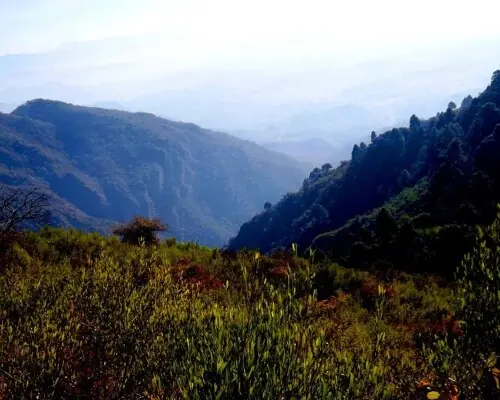
The new policy has elaborated concerted measures focusing all related areas as it bears the input by all stakeholders including the provinces and regions as Pakistan is under threat of the impacts of global warming from the mountains of Himalaya down to coastal areas.

 

Minister for Climate Change Rana Farooq Saeed Khan briefed media that new policy will pave way towards evolving regional and provincial strategies and action plans to meet the challenge Pakistan is facing though due to others follies.


 

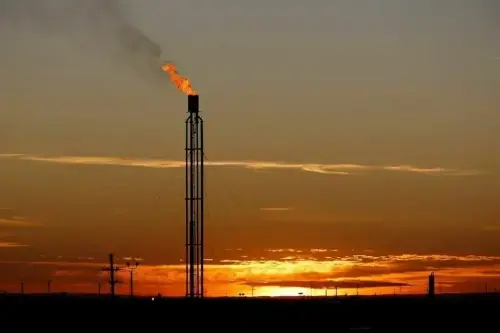
"Pakistan is among the least polluting countries but the most threatened of adverse impacts of climate change. We emit only 0.8 percent of the world emission against America's 26 percent and massive emissions by China and India", the minister told the journalists.


"But, we are among the top ten vulnerable countries. This needs us to tighten our belts for challenges ahead". "This policy will prove to be beneficial for the people and the country and help us meet the socio-economic challenges surfacing in view of the climatic changes", the minister said.


Flanked by Secretary Climate Change, Mahmood Alam and author of the policy Dr Qamar-uz-Zaman, the minister explained that the policy is aimed at pursuing the sustained economic growth by appropriately addressing the challenges of climate change and to integrate climate change policy with other related national policies.


He said it will facilitate and strengthen Pakistan's role as a responsible member of the international community in addressing the climate change challenges and focus pro-poor gender sensitive adaptation while also promoting mitigation to the extent possible in a cost effective manner.


The minister informed that the policy is aimed at ensuring water security, food security and energy security and minimize the risks arising from expected increase in frequency and intensity of extreme events: floods, droughts and tropical storms.


He said it will strengthen inter-ministerial and inter-provincial decision making and coordination mechanism on climate change; facilitate effective use of the opportunities, particularly financial, available both nationally and internationally and to foster the development of appropriate economic incentives to encourage public and private sector investment in both adaptation and mitigation measures.


He said the policy will enhance the awareness, skill and institutional capacity of relevant stakeholders and promote conservation of natural resources and long term sustainability.


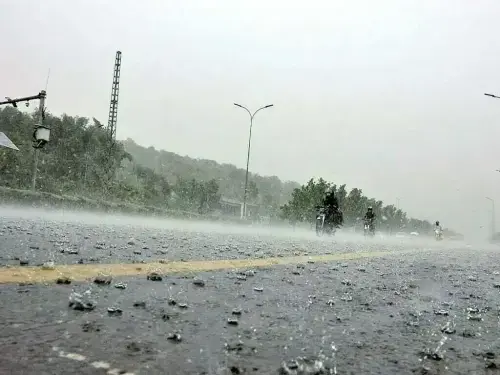
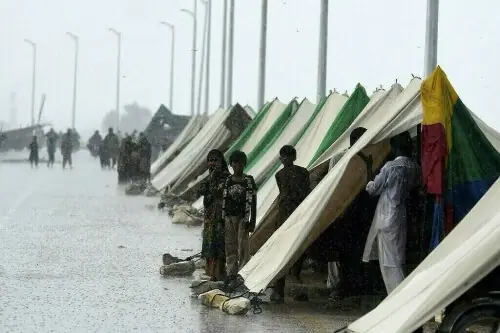
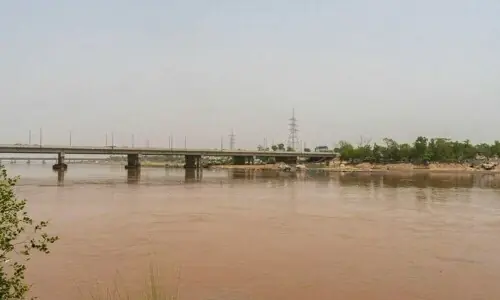
Elaborating on Pakistan's vulnerability to climate change threats, Rana Farooq mentioned to considerable increase in frequency and intensity of extreme weather events, coupled with erratic monsoon rains causing frequent and intense floods and droughts as well as projected recession of Hindu Kush-Karakoram-Himalayan (HKH) glaciers due to global warming and carbon soot deposits from trans-boundary pollution sources, threatening water inflows into Indus River System (IRS).


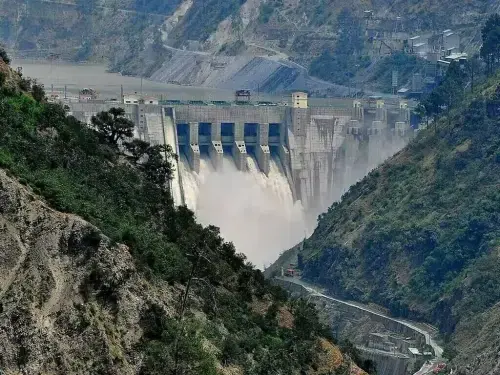
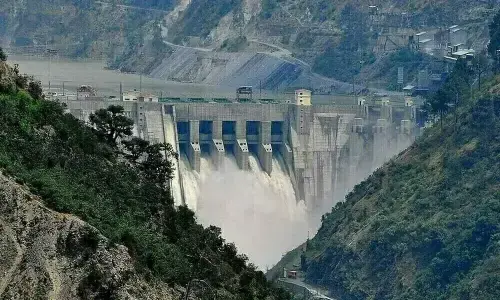
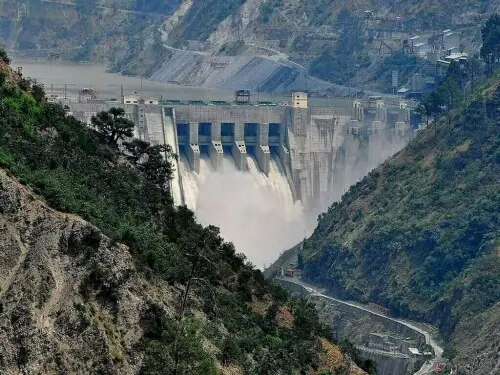
Consequent threats due to ice melting and floods, the minister said may result in increased siltation of major dams.


He also mentioned to increased temperature resulting in enhanced heat- and water-stressed conditions, particularly in arid and semi-arid regions, leading to reduced agriculture productivity due to climate change and further decrease in the already scanty forest cover from too rapid change in climatic conditions to allow natural migration of adversely affected plant species.


He said the climate change threats also include increased intrusion of saline water in the Indus delta, adversely affecting coastal agriculture, mangroves and breeding grounds of fish, projected sea level rise and increased cyclonic activity due to higher sea surface temperatures and stress between upper riparian and lower riparian regions on sharing the water resources.

 

"These threats are the cause of major survival concerns for Pakistan, particularly in terms of country's water security, food security and energy security considerations," he said in response to a question.

 

Answering the questions, the minister said the Climate Change ministry to endeavoring utmost to benefit from global climate fund by initiating more and more Clean Development Mechanism projects.
 

"Our 34 projects have been approved and more than 50 are in the pipeline. We have completed US$ 10 million MACP project and US$ seven million Glof project is under implementation."


When asked about coordination mechanism for implementation, Rana Farooq said, this policy has input of all stakeholders and they will not only own it but also put in every effort to implement it successfully.

Copyright APP (Associated Press of Pakistan), 2012


Index Closing Chg%
Arrow DJIA 15,179.85 0.73
Arrow Nasdaq 3,452.13 0.83
Arrow S&P 1,639.04 0.76
Arrow FTSE 6,330.49 0.35
Arrow DAX 8,215.73 1.08
Arrow CAC-40 3,863.66 1.54
Arrow Nikkei 13,033.12 2.73
Arrow H.Seng 21,225.90 1.22
Arrow Sensex 19,325.87 0.77


Banking Review 2012

Annual2011/12
Foreign Debt $65.562bn
Per Cap Income $1,372
GDP Growth 3.7%
Average CPI 10.08%
MonthlyMay
Trade Balance $-2.171 bln
Exports $2.175 bln
Imports $4.346 bln
WeeklyJune 17, 2013
Reserves $11.446 bln