Live
US midterm elections
World

Republicans call for Trump to change course after midterm drubbing

  • Veteran Republican strategist John Feehery called the results a 'huge disaster' for Trump
Published Updated
Photo: Reuters
Photo: Reuters
By

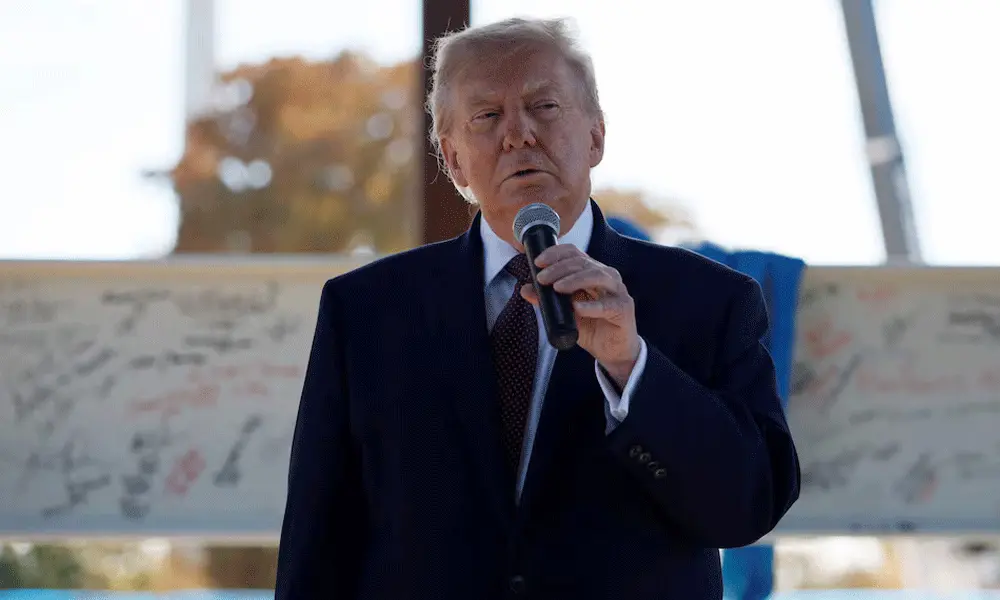
WASHINGTON: President Donald Trump faced pressure from Republicans on Wednesday to change course after a midterm ​election rout handed Democrats control of Congress and voters rejected his handpicked candidates in key races.

Republican allies and strategists called ‌for Trump to shake up his White House personnel, restore discipline and scrap policies they blamed for the losses, including the Iran war and tariffs, as his presidency enters its final years.

Veteran Republican strategist John Feehery called the results a “huge disaster” for Trump.

“He needs to clean house,” Feehery said. “Every day from this point forward, he’s becoming more and more lame.”

But ​Trump showed little indication that he viewed the election outcome as a reason to change direction.

Polls begin closing in US midterm elections to determine control of Congress

“I don’t view it as a hit ​on me,” he told Fox News late on Tuesday.

Democrats will now have the power to block Trump’s legislation, investigate his ⁠administration and challenge his nominees.

That is expected to push Trump, who has already used executive authority aggressively, toward an even greater reliance on unilateral ​action.

He will also have to decide whether to double down on an agenda that some Republicans fear has become a political liability, particularly for potential ​successors eyeing White House bids in 2028.

Democrats capture Congress in sweeping setback for Trump

Vice President JD Vance, who is viewed as Trump’s likely political heir, appeared to put some distance between himself and the president on Wednesday, blaming the Iran war for the midterm losses. Such breaks could become more common if Republicans conclude Trump’s longtime grip on the party’s voters is weakening, strategists ​and party officials said.

White house braces for staff shake-up, investigations

Inside the White House, senior aides were bracing for staff departures, possible Cabinet changes and ​Democratic investigations, according to a senior official who spoke on condition of anonymity.

“It absolutely sucks to be here right now,” the official said. “Morale is as low as ‌it can ⁠get.”

The official said internal polling had warned six weeks before the election that Republicans were headed for losses in both chambers, but Trump refused to change course on Iran despite warnings about the political consequences.

“Ultimately, he just didn’t care,” the official said. “He refused to listen to anyone.”

Trump acknowledged late on Tuesday that the eight-month-old Iran war had hurt Republican candidates but defended his decision to launch the conflict.

Republican concerns extended beyond the war. In focus groups ​conducted for competitive Senate races in ​places like Michigan and Iowa, ⁠national Republican political advisers grew increasingly concerned this summer as more Republican and independent voters voiced opposition to the president’s focus on the White House ballroom and Washington renovations, a Republican political adviser said.

“If Trump spends the next ​two years talking about this same shit, we will get shellacked again in the next election,” the ​adviser said.

Yet on Wednesday, ⁠Trump gathered reporters for an impromptu visit to the ballroom construction site and defended the time he has devoted to the project.

Democrats gain influence over trade agenda, but tariff repeals to hit Trump veto wall

“For me it’s relaxing,” he said.

The White House also struck a defiant public tone, posting a photograph of Trump on social media with the message: “PSA: TRUMP IS STILL YOUR PRESIDENT.”

Trump still ⁠holds considerable ​power. Reuters previously reported that the White House has spent months preparing executive actions on immigration, ​tariffs, housing and federal spending that could allow him to advance parts of his agenda despite Democratic opposition.

But executive authority will not be able to shield the administration from congressional ​probes.

“Nobody wants to deal with the investigations,” the official said.
World

Democratic victories bring historic breakthroughs for women and minorities

  • Democrats flipped control of both the House of Representatives and Senate while winning key statewide races, delivering a series of milestone victories
Published Updated
Photo: Reuters
Photo: Reuters
By

CHICAGO: Voters across the US elected a historic slate of women, candidates of color and other underrepresented politicians on Tuesday, reshaping the face of political leadership as Democrats rode a wave of dissatisfaction with President Donald Trump’s administration ​to major gains nationwide.

Democrats flipped control of both the House of Representatives and Senate while winning key statewide races, delivering a series of milestone victories.

Gina Hinojosa became the first Latina elected ‌governor of Texas, Abdul El-Sayed of Michigan the first Muslim elected to the US Senate and Deb Haaland of New Mexico the first Native American woman elected governor. In Georgia, Keisha Lance Bottoms became the first Black woman elected governor of a US state while Xavier Becerra was the first Latino elected as governor of California. Chris Pappas of New Hampshire made history as the first openly gay man elected to the US Senate.

The breakthroughs marked a striking expansion of who holds political power ​at the highest levels of American government, in a country where people of marginalized backgrounds have long been underrepresented.

“From coast to coast, voters … spoke with clarity. Democrats must now govern courageously,” former Georgia ​gubernatorial candidate Stacey Abrams said in a statement.

Democrats gain influence over trade agenda, but tariff repeals to hit Trump veto wall

Pollsters and political analysts said the Democratic gains appeared to stem from a combination of economic frustration and dissatisfaction with ⁠the Iran war, tariffs, aggressive immigration enforcement, perceived government corruption and the country’s broader direction, among other issues.

Democrats made unexpected gains in deeply conservative states, suggesting the party attracted Republicans while rebuilding support within its ​traditional coalition, analysts, civil rights leaders and grassroots voter organizations said. Black and Latino voters had become increasingly contested constituencies in recent election cycles.

“You can’t take for granted the Hispanic voters in this country, the Black voters ​in this country, the young voters in this country, and if we don’t deliver, they can swing right back,” said Democratic strategist Bakari Sellers.

Democratic victories in Republican-leaning states helped flip the House and Senate and signaled a broader voter backlash against Republican leadership, said Vanderbilt University political scientist John Geer, who studies public opinion.

“It’s an old-fashioned thumping that we haven’t seen in quite a while,” Geer said. Republicans made a series of promises in 2024, “and almost none of them were kept. This is the ​public’s reaction to it.”

Economic concerns, including the rising costs of housing, healthcare, food and fuel, cut across racial and political lines, said Greg Lewis, executive director of Souls to the Polls, a Milwaukee-based civic engagement organization.

Lewis, ​who voted for Wisconsin Democrat David Crowley, the state’s first Black governor-elect, said voters were frustrated with the economic pressures facing their families.

Polls begin closing in US midterm elections to determine control of Congress

“When you start getting into people’s pockets, you have a problem,” Lewis said.

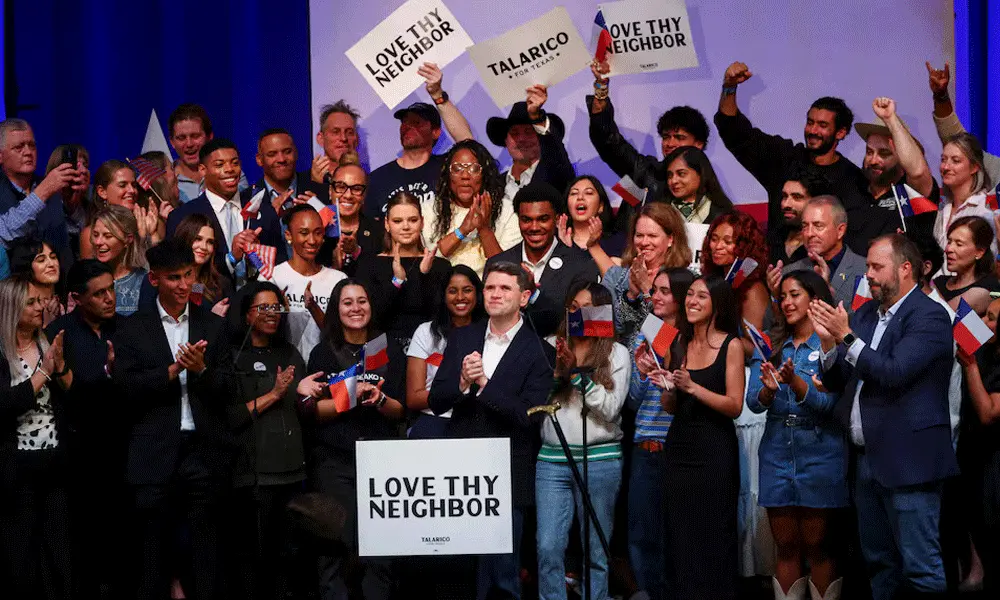
In Texas, Hinojosa’s defeat of Governor ‌Greg Abbott ⁠ended a 31-year Republican hold on the governor’s office. Democrat James Talarico defeated Republican Ken Paxton in the US Senate race, delivering one of the night’s biggest surprises in a state Trump carried comfortably in 2024.

Democrat Jon Rosenthal won a seat on the Railroad Commission of Texas, becoming the first Jewish candidate elected to statewide executive office, according to the Jewish Herald-Voice.

“We all had hope, but to see it come to fruition is breathtaking,” said Joshua Arce, a Texas resident and president of Partnership With Native Americans. He said the results reflected a Republican Party that had failed to offer voters a compelling policy agenda.

The election’s gains in representation were not ​limited to Democrats. In Florida, US Representative Byron Donalds, ​a Republican, became the first Black governor elected ⁠in the state’s history.

Melik Abdul, a Republican strategist and Trump supporter, said the result underscored tensions between the party’s criticism of diversity, equity and inclusion initiatives and the growing prominence of Black Republicans.

“Republicans spent the last year linking DEI to Black people and the idea that they were unqualified. How ironic that a Black guy ​ends up being the biggest win that Republicans had,” Abdul said.

From representation to influence

But experts cautioned that electoral breakthroughs do not automatically translate into greater political ​influence, lasting policy changes or ⁠institutional reform.

The ability of newly elected officials to shape legislation, control congressional committee agendas, direct government spending and influence party leadership will depend on the institutions they enter, the coalitions they build and the balance of power within their parties, political experts said.

Democrats capture Congress in sweeping setback for Trump

Within the Congressional Black Caucus and the Democratic Party more broadly, an influx of new lawmakers could expose generational tensions between established members who hold influential leadership and committee positions and younger lawmakers seeking a greater ⁠role in shaping ​the party’s agenda, said Nadia Brown, director of women’s and gender studies at Georgetown University.

“What I think is going to happen, ​what we’ve seen is, unfortunately, is that the older members and those in leadership will cannibalize their young, and that’s what I’m really concerned about,” Brown said.

Brown said longstanding barriers facing many communities, especially unemployment for Black women, are unlikely to disappear simply because more ​women and people of color won office.

Fox telephone interview: Trump confirms US strike on Iran

“What was broken by a stroke of a pen cannot be fixed with another, and so it’s going to take time to rebuild,” Brown said.

World

Democrats gain influence over trade agenda, but tariff repeals to hit Trump veto wall

  • Democrats have expressed a desire to rescind some of the archaic trade laws ⁠that Trump has used to impose tariff
Published Updated
Photo: Reuters
Photo: Reuters
By

HOUSTON: Democrats’ resounding sweep to a majority in Congress gives them a big microphone and spotlight to scrutinize President Donald Trump’s trade policies, but largely leaves them unable to ​override his veto on any vote to overturn his tariffs or rescind trade authorities, trade and legal experts said on Wednesday.

The scale of the wins in the House of Representatives ‌and the Senate give Democrats a chance to use their authority over government agency funding to seek concessions from Trump on trade an other issues, but trade advisers were telling clients to temper any expectations that the vote would lead to near-term changes in Trump’s tariff policies.

“The swing in Congress, the results of the election, are very unlikely to have a significant impact on the president’s trade agenda and the tariffs that are in place,” said Blake Harden, managing director for trade policy at ​Ernst & Young’s Washington Council office. “This is because there is so much trade authority within the executive branch that’s been delegated by Congress.”

Harden and other trade experts said the major focus for Democrats will ​be oversight investigations and hearings on trade committees that will come under Democratic control.

Democrats have expressed a desire to rescind some of the archaic trade laws ⁠that Trump has used to impose tariff, such as his punitive duties on Canadian imports under the nearly century-old, never-before-used Section 338 of the Tariff Act of 1930.

Democrats capture Congress in sweeping setback for Trump

With at least 235 seats, according to Reuters’ latest ​projections, Democrats would have an easier time passing such legislation. But with 54 Senate seats and up to two more depending on the outcome of races in Mississippi and Alaska, Democrats would still need some Republican votes ​to overcome the 60-vote threshold needed to overcome the Senate filibuster.

The numbers needed to override a veto are even more daunting: 67 senators and 290 House members.

But with some news outlets such as NBC estimating a Democratic House majority of 258 members, some in Democratic circles are contemplating the possibility that under certain circumstances, enough Republicans could be persuaded to help override a veto, said Greta Peisch, who served as general counsel at the US Trade Representative’s office during the Biden administration.

“It still feels ​like a like a stretch, but it seems like a question that should be asked,” said Peisch, now a trade partner at Wiley Rein in Washington.

Reining in costs

Democratic Representative Richard Neal, who is expected to ​return to the chairmanship of the tax- and trade-focused House Ways and Means Committee, said Democrats would craft an agenda “that puts people’s needs first” but was short on specifics.

Polls begin closing in US midterm elections to determine control of Congress

“We know they are tired of paying for Trump’s needless war with ‌Iran and ⁠price-hiking tariffs every time they visit the checkout counter or the gas pump,” Neal said in a statement. “It’s time for us to roll up our sleeves and advance policies that will rein in costs, fix our health care system, shore up the programs Americans rely on, and put an end to Trump’s enrichment off the backs of workers and families.”

Democrats will find plenty of material to investigate in hearings on the handling of Trump’s trade policies, such as the influence of big companies on the determination of tariff exemptions the negative effects of tariffs on small businesses, said William Reinsch, non-resident trade adviser at the Center for Strategic and International Studies.

“It’s ​not hard to find small businesses that will come ​in with sad stories about how the tariffs ⁠are putting them out of business,” Reinsch said.

But he said that while Democrats may be focused on undoing negative aspects of Trump’s tariff policies, they have yet to coalesce around a more proactive trade agenda.

Fox telephone interview: Trump confirms US strike on Iran

And rescinding all of Trump’s tariffs in the name of affordability may not be a goal of the party, which ​has traditionally been supportive of many tariffs to protect key industries. Former President Joe Biden kept all of Trump’s tariffs on Chinese goods in place and ​added to them with 100% ⁠duties on electric vehicles and high duties on other strategic goods.

Trump to pursue more duties

The election result is not expected to deter Trump from pursuing new tariffs under open trade investigations, such as a Section 301 unfair trade practices probe into excess industrial capacity, which could lead to new duties on goods from China, India, Vietnam and more than a dozen other major trading partners.

Trump has advocated for tariffs for decades and believes in their ability to ⁠win concessions from ​trading partners, said Kelly Ann Shaw, a trade partner at Akin Gump and a former White House trade adviser during Trump’s first ​term.

“I don’t think he’s going to let his foot off the gas. He’s in legacy-building mode right now,” she said.

But as the end of Trump’s term starts to come into view, it’s unclear whether trading partners will be as willing to negotiate concessions, Shaw ​said.

US voters head to polls to deliver midterm verdict on Trump

On Wednesday, Canada’s trade minister for US trade, Dominic LeBlanc said the US election would not change Ottawa’s stance on trade negotiations with the US and was pressing ahead with talks.


World

How Democrats expanded the map and won rural America

  • Democrats flipped House, Senate ‌and gubernatorial seats in rural Republican strongholds including in Iowa, Kansas, Texas and Wisconsin
Published Updated
Photo: Reuters
Photo: Reuters
By

A Democratic Party fundraiser in Warren County, Iowa in October 2025 was so crowded that local party chair Jim Culbert found himself ordering pizza after the food ran out.

“If we don’t have enough food, that’s a good problem,” he recalled telling volunteers.

The big turnout offered an early ​glimpse of the mounting Democratic enthusiasm in rural America – traditionally a stronghold of US President Donald Trump’s Republican party. A year later, it would help propel Democrats to sweeping victories in Tuesday’s midterm elections.

Democrats flipped House, Senate ‌and gubernatorial seats in rural Republican strongholds including in Iowa, Kansas, Texas and Wisconsin, where farmers have been hard hit by Trump’s global tariff campaign and high fuel prices caused by the Iran war.

Hispanic voters, who surveys identified as particularly critical of Trump’s deportation campaign and the rising cost of living, swung roughly 40 points towards Democrats, in the Kansas and Texas Senate races compared to the 2024 presidential election, according to exit polls.

The victories followed a years-long Democratic effort to compete more aggressively in rural communities, where the party had steadily ceded ground to Republicans, according to interviews with 16 Democratic candidates, campaign ​staff and political experts and strategists.

US VP Vance says Iran war is ‘the reason we lost’ midterms

Democratic strategists said that push was part of a broader Democratic National Committee effort to compete in places the party had long neglected. Rather than concentrating resources on a handful of battleground states, the ​DNC invested in every state party and pushed to field candidates in every race, they said.

“A lot of folks in rural America feel left behind because (Democrats) haven’t been showing up to talk to ⁠people,” said Democrat Rebecca Cooke, who unseated the Republican incumbent to win Wisconsin’s third congressional district on Tuesday. Now, she told Reuters, “there’s no community too small” to visit.

The question now is whether Democrats can hold on to their gains through the 2028 presidential ​election cycle. Tuesday’s election was widely seen as a rebuke of Trump rather than an embrace of the Democratic Party.

Republicans still won races on Tuesday in rural states including Arkansas, Oklahoma and Nebraska. And history shows that so-called wave elections dominated by one party do ​not necessarily translate into a presidential victory for the same party two years later.

To make their gains durable, Democrats will need to stick with their expansive electoral strategy, continuing to invest time and money in rural communities and other areas where they have made inroads, three Democratic strategists told Reuters.

“This was a rejection in essence of the way the party had worked in recent years, which was this focus on six or seven states,” said Simon Rosenberg, a Democratic strategist. “We had been operating on a very narrow map – too narrow.”

Rural Americans have steadily moved towards the Republican party over the past 25 ​years, according to Pew Research Center, driven by splits with Democrats on cultural issues and economic policies.

At the White House, Trump acknowledged that the Iran war had contributed to his party’s midterm losses but said he still felt it was worth it.

The Republican National Committee did not immediately respond to ​requests for comment.

Showing up

Every week for 11 months, on what she dubbed “Small Town Tuesday,” Iowa Democratic House candidate Christina Bohannan, focused on canvassing rural towns. Her team regularly heard from residents that no political campaign had ever contacted them before, campaign manager Dan Driscoll said in an email. ‌Bohannan flipped the ⁠state’s first congressional district.

For her campaign in Wisconsin, Cooke said she hired four regional field organizers and knocked on 54,000 doors, many in rural areas, in addition to those knocked on by the statewide Democratic Party.

The Democratic Congressional Campaign Committee said it implemented a program for engaging rural voters for the first time this year.

Trump’s midterm drubbing could give trade partners room to resist

Cooke, Bohannan and other Democratic candidates in rural districts aimed to capitalize on declining support for Trump. Approval of the president in rural areas fell to a new low in October of 45%, down from 60% at the start of his term, according to Reuters/Ipsos polling.

Across more than 1,500 rural counties where nearly all ballots had been counted on Wednesday, Republican candidates were collectively underperforming Trump’s 2024 share of the vote by 8 percentage points, according vote totals compiled by Reuters and USA Today, ​which are partnering this year to collect live election results ​for US Senate and House races.

Stronger coordination

In Iowa, Democratic candidates ⁠united for the state’s first coordinated campaign since 2018, said Frances Patano, who ran the effort for the Iowa Democratic Party. That meant candidates could chip into a joint organizing effort that saved on costs and boosted lower-profile campaigns.

“By coordinating, you can run a far more efficient field program because you’re not competing” for the same group of organizers, Patano said.

In the first two weekends of October, ​the statewide campaign nearly doubled its door knock attempts from the 2018 midterms, Patano said.

In rural Warren County, the coordinated program paid for a staffer who led six canvassing shifts every ​weekend out of the county’s party ⁠office.

The added capacity boosted volunteer turnout. After years of organizing the same local Democrats to volunteer, Culbert said he would glance at a list of doorknockers and think: “Well, I don’t know half these names.”

Years of preparation

In Kansas, efforts to elect Adam Hamilton, the first Democratic senator elected from the state in nearly a century, began four years ago.

When Jeanna Repass became chair of the Kansas Democratic Party in 2022, she knew the party would need to make inroads in a heavily rural state that Trump won by double digits in 2016 and 2020. She hired a ⁠year-round organizer and ​grew the number of county party chapters from 57 to 68.

US House Speaker Johnson will not seek minority leadership post

The effort “helped us to stir people’s passions and get them organized,” Repass said.

This year, the party ​knocked about 50% more doors than they did in the 2022 midterms, Repass said. That strategy paid dividends for Hamilton on Tuesday, particularly in Seward County, where about half of eligible voters are Hispanic.

Hamilton won by 13 points in Seward, a dramatic shift from 2024 when Trump won the county by 39 points.

“We are not ​flyover country,” Hamilton said in his victory speech late on Tuesday night, to huge cheers. “We are the heart of America.”

World

US VP Vance says Iran war is 'the reason we lost' midterms

  • Democratic wave in Tuesday’s midterms has raised major questions over Vance’s previous status as the frontrunner for the Republican nomination in the 2028 presidential election
Published Updated
By

WASHINGTON: US Vice President JD Vance said Wednesday that the Iran war had doomed Republicans in the midterm elections, moving to distance himself from the unpopular conflict ahead of a possible 2028 White House run.

“The reason we lost is the war. The president himself said so last night,” Vance said in a lengthy post on X – apparently referring to President Donald Trump’s remarks that the Iran war was “part of it” but that it was still justified.

“If you’d like to argue it was worth it, that losing the Senate for the next 6 years was worth it, then do so. Argue it was a worthwhile cost to pay. Agree or disagree, that’s at least honest,” added Vance.

The Democratic wave in Tuesday’s midterms has raised major questions over Vance’s previous status as the frontrunner for the Republican nomination in the 2028 presidential election.

Also read: Democrats capture Congress in sweeping setback for Trump

He has not yet formally declared that he will run.

Vance, a longtime vocal critic of US foreign interventionism, had reportedly been skeptical behind the scenes about the war on Iran that Trump and Israel launched in late February.

Vance also acknowledged that Republican voters who backed Trump and himself two years ago had switched sides due to the war and its effects on the US economy.

“The main problem is that many people who voted for Trump/Vance in 2024 voted for Democrats in 2026,” Vance said.

He said a pollster that he respected showed the Iran war and the economy were key factors in voters abandoning Republicans, along with a desire to “change our relationship to Israel.”

World

US House Speaker Johnson will not seek minority leadership post

  • Speaker Mike Johnson will not run for minority leader, following the Republican party's loss of their House majority this week
Published Updated
By

WASHINGTON: US House of Representatives Speaker Mike Johnson will not run for election as House minority leader, following the loss of his Republican majority in this week’s midterm elections, a source said on Wednesday.

Johnson, who has struggled to maintain control of a narrow 218-214 Republican majority since becoming speaker three years ago, announced his decision to staff on Wednesday morning, according to a person familiar with the matter.

The Louisiana Republican spent much of the 2026 midterm campaign insisting that Republicans would expand their House majority, only to see Democrats take control of both the House and Senate on Tuesday in a sweeping repudiation of Republican leadership under President Donald Trump.

Trump’s midterm drubbing could give trade partners room to resist

It was unclear who would emerge as House Republican leader in an internal party election expected next week. Conservative Jim Jordan of Ohio was expected to announce his candidacy later on Wednesday.

World

From Iran to trade: how the US midterms impact the rest of the world

  • The US midterm 'blue wave' is reshaping international relations, influencing foreign policy, trade, and tech regulation worldwide
Published Updated
By

LONDON: The US Democrats’ “blue wave” of midterm election victories is already causing ripples across the rest of the world, where trade partners, strategic allies and enemies all see implications in the result.

Iran and Israel

It is not immediately clear how US President Donald Trump’s loss of control over Congress will shape the course of his country’s eight-month-old conflict with Iran. Voters have shown they are weary of the conflict, which many blame for painfully higher fuel prices. Some Gulf governments now believe Trump has more reason than ever to seek a peace deal and that another full-scale assault on Iran is less likely after the midterms, two sources familiar with Gulf government thinking told Reuters.

But Trump’s electoral drubbing may also embolden Iran.

“If Tehran recognises that Trump needs a deal, but not just any deal, a genuine opportunity could emerge to end the war,” said Ebtesam al-Ketbi of the Emirates Policy Center. However, reading the vote as weakness could instead invite “a new military escalation”, she added.

For Israel, a Democrat-controlled House and Senate may intensify congressional scrutiny of Israel’s military operations in Iran as well as in Gaza and Lebanon, while threatening long-standing US support for Israel through military aid and weapons sales.

Rivals seeking to unseat Prime Minister Benjamin Netanyahu seized on the Democrats’ wins to lambaste him for a loss of bipartisan American support under his watch, as they seek to forge a coalition following an inconclusive Israeli election last week.

Trump’s midterm drubbing could give trade partners room to resist

Fuel pump prices

The Iran war has choked supplies of crude oil and liquefied natural gas from the Gulf, driving up the cost of crude oil and prices at fuel pumps around the world.

The energy market wagered on Wednesday that the elections could breathe more life into US-Iran peace talks. Oil dropped for a third day, but tight stock levels prevented a larger selloff, analysts said.

“The market increasingly appears to be betting that President Trump wants to put the Middle East war behind him,” said Saxo Bank analyst Ole Hansen.

Iran, US still far apart on deal; Trump says ready but in no hurry for strikes

Ukraine

Trump has largely halted direct US financial and military aid to Ukraine as it fights a Russian invasion, despite broad support from Democratic and Republican lawmakers. He has angered members of Congress, including many Republicans, by lifting sanctions on Russian diesel and waiving sanctions on Russian energy only weeks after signing them into law.

Control of both chambers of Congress will allow Democrats to propose new aid to Ukraine. If they get enough backing from Republicans and secure a two-thirds majority, a new aid package would survive a Trump veto. However, any boost to US aid is unlikely to come quickly, and it will not address Ukraine’s most pressing need — a deficit of US-made Patriot air defence interceptors to protect its energy infrastructure and cities this winter.

Democrats could also target other Trump policies.

US pushes to restore Russian gas sales to Europe via Ukraine, WSJ reports

Democratic Representative Gregory Meeks of New York, a candidate to head the House Foreign Affairs Committee, has introduced bipartisan legislation to block Trump’s plan to bring Russian diesel back into the global market. But the midterms are unlikely to change the Trump administration’s position in trilateral peace talks with Russia, where it has pressured Ukraine to make concessions to reach a deal while it simultaneously discusses business deals with Moscow that would favour US investors.

The Kremlin said it hoped the midterm results would not impact what it called Trump’s “peacemaking efforts”.

Trade

The elections could give some countries in Asia more reason to slow-walk investment pledges they made to stave off tariffs, and hand economic rival China a perceived upper hand in ongoing trade talks, analysts said.

However, broad US-China economic relations will likely maintain a state of “fragile stability”, said Chim Lee, industrial policy analyst at the Economist Intelligence Unit in Beijing.

Trump’s midterm losses could spell relief for India’s negotiations for a trade deal with the United States, which has faced delays as New Delhi strives to protect its farmers.

“After the US midterm losses, President Donald Trump’s capacity to impose arbitrary tariffs will certainly face a challenge. At some point he needs the Congress’s approval for trade actions and, to that extent, he’s weakened,“ said Anup Wadhawan, a former trade secretary to India’s federal government.

Congress has the right to regulate commerce and set import duties, but Trump has taken advantage of laws to impose tariffs on grounds of national security or unfair trade practices. Democratic Party efforts to limit that power would be likely to face a presidential veto.

Pakistan, US pursuing revised trade pact

Another question is whether Trump will follow through on more immediate threats, such as a 100% tariff on European countries that impose a digital services tax on American tech giants, or whether a €3 billion ($3.37 billion) loan to Airbus from the European Investment Bank will undermine what has been largely a transatlantic trade truce since 2025.

AI and tech

Exit polling revealed that many US voters were concerned about the aggressive buildout of AI data centres. That sent shivers through the shares of major Asian chip manufacturers.

“A Democratic sweep of Congress would put pressure on tech and potentially bring regulatory pressure on everything AI and possibly slow down the wild, wild west growth figures that we see daily and often take for granted,” said Jake Dollarhide, chief executive of Longbow Asset Management in Oklahoma.

Asian chip and AI stocks such as TSMC, Samsung Electronics, SK Hynix and Kioxia all fell on Wednesday.

Asian investors’ concerns were also reflected in pre-market trade in US markets where shares in US data centre operators fell, including Applied Digital, TeraWulf, Core Scientific and Iren.

World

Trump's midterm drubbing could give trade partners room to resist

  • Midterm results weaken Trump, but trade partners still face an unpredictable leader, with protectionist policies likely to continue
Published Updated
Photo: Reuters
Photo: Reuters
By

The drubbing for Donald Trump’s Republicans in US midterm elections could embolden some trade partners to push back against his combative policies, although they may need to tread lightly to avoid provoking him in his final two years in power.

Democrats captured majorities in both the Senate and House on Tuesday, as US voters delivered a stinging rebuke for Trump’s policies, including his tariffs, blamed alongside the Iran war for persistent inflation.

That could hand economic rival China a perceived upper hand in ongoing talks, prompt allies in Asia to slow-walk hundreds of billions of dollars in investment commitments, and give Europe more predictability over trade issues that remain unresolved.

But some partners still see choppy waters ahead, with Trump showing little sign of accepting voters’ verdict on his tariff policies that have upended global trade.

“US protectionism won’t simply disappear,” said Bernd Lange, chair of the trade committee in the European Parliament.

Democrats capture Congress in sweeping setback for Trump

“A weakened Trump could become even more aggressive and unpredictable. A lame duck could quickly turn into an angry duck.”

Rajiv Bhatia, a former Indian diplomat and distinguished fellow at Gateway House think tank, said: “A Democratic victory will not necessarily make Trump more accommodating towards any country.”

Allies hope for easier ride

Among countries that may be quietly hoping for an easier ride are America’s closest Asian allies. Japan has promised $550 billion and South Korea $350 billion in US investments in deals intended to placate Trump.

Heo Yoon, economics professor at Sogang University in Seoul, said countries might now feel less pressure to fulfill such commitments: “Democrats seem to perceive that the investment commitments were forced on allies.”

But Kazuhiro Maeshima, a professor of US politics at Sophia University in Tokyo, said the allies will not easily be able to back out. “The tariff issue is not over. If Japan’s response is slow, calls for additional tariffs could resurface,“ he said.

South Korea has become a notable lightning rod for Trump’s anger at countries he believes have not lived up to investment pledges.

Iran, US still far apart on deal; Trump says ready but in no hurry for strikes

Most recently, Seoul pushed back on Trump’s assertions that it had agreed to fund Alaska LNG, a major pipeline. Ban Kil-joo, international relations professor at Korea National Diplomatic Academy, said scrutiny from Congress over such projects could give Seoul more time to review them.

South Korea’s Foreign Ministry said it would continue to discuss economic and trade issues with the US administration, Congress and states, regardless of changes in the composition of Congress.

Quarrels still loom for Europe, India still seeks deal

In Europe, transatlantic trade tensions have largely been eased by a series of deals that have so far limited the impact of Trump’s US tariff onslaught.

But there are still potential quarrels, including whether Trump will retaliate against European countries that impose a digital services tax on US tech giants, and against a €3 billion loan of public money to European aircraft maker Airbus.

For India, still negotiating trade deals with the United States, the midterm results could provide an incentive to adopt a wait-and-see approach.

India’s trade minister earlier this month said the first phase of an India-US trade deal was in the final stages of drafting, but reiterated that ​New Delhi would proceed only if it secures an advantage over competing exporters.

Trump’s Justice Dept identifies where US election monitors will be in the 50 states

No free rein with Beijing

The biggest US rival is China, which struck a trade truce with Trump that expires in January. Beijing may look for ways to use Trump’s political fragility to strengthen its hand, but also may find it harder to win him over with Congress looking over his shoulder.

“Xi Jinping will recognize that Trump’s authority has been greatly weakened by these results, and will no doubt be thinking about ways of exploiting that,” said Saul Eslake, an economist at Corinna Economic Advisory in Australia, referring to China’s leader.

The US president has gone to great lengths to improve relations with Xi. A Democratic-controlled Congress may constrain his ability to offer sweeteners for future deals.

“Democrats are unlikely to give Trump free rein on deals with Beijing,” said Alicia Garcia-Herrero, chief Asia-Pacific economist at Natixis, noting they had already criticized Trump’s summits with Xi for limited substance on key issues like AI.

A Democratic Congress is more likely to support tighter tech export controls and scrutiny of supply chains for AI and semiconductors, which will give Trump less flexibility on concessions impacting those high-growth segments, she added.

China’s foreign ministry spokesperson Mao Ning told reporters on Wednesday that the midterms were an internal matter for the United States and that Beijing would continue to manage differences and expand cooperation with Washington.

Perspectives

US midterm elections: What El-Sayed’s historic victory means for Muslims in America and beyond

His willingness to deploy sarcasm and sharp comebacks when responding to attacks on his Muslim identity became part of his public persona
Published Updated

Abdul El-Sayed’s victory in Michigan’s US Senate race is historic for more than one reason. By becoming the first Muslim elected to the US Senate, the Egyptian-American physician and progressive politician has broken a significant religious barrier in American politics. But his campaign also did something arguably just as important: it presented a different, more personal and relatable image of what it means to be Muslim in America.

At a time when Muslims in the United States are frequently discussed through the lens of terrorism, extremism, immigration and national security, El-Sayed offered something rather different. Through his family life, humour, social media presence and political style, he presented himself not simply as a Muslim politician, but as a father, husband, neighbour and ordinary American.

Who is Abdul El-Sayed?

Born in the United States to Egyptian immigrant parents, El-Sayed is a physician, public health expert and former director of the Wayne County Department of Health in Michigan.

He first attracted national attention in 2018 when he ran for governor of Michigan, although he lost the Democratic primary. He subsequently continued building a progressive political profile, campaigning for universal healthcare, economic equality and reducing corporate influence in politics.

His 2026 Senate campaign culminated in victory over Republican Mike Rogers, making him the first Muslim elected to the US Senate. His achievement came despite repeated attacks on his Muslim identity, including attempts by Donald Trump and other Republicans to associate him with extremism and question his loyalty to America. El-Sayed rejected those accusations.

His victory is therefore significant not only as a political breakthrough but also against the backdrop of continuing Islamophobia in American public life.

The softer, more personal image of a Muslim father

One particularly interesting aspect of El-Sayed’s campaign was how he used social media to give voters a glimpse into his family life.

In an Instagram video shared towards the end of October, titled Bedtime Duties, El-Sayed took viewers into his home, showing aspects of his nighttime routine with his daughters.

After spending long days campaigning, he reflected on the bittersweet experience of returning home, the joy of seeing his children and the sadness of missing ordinary moments in their lives while travelling around Michigan.

It was a relatively simple video, but its significance was worth noting. Rather than presenting himself through political speeches or religious arguments, he allowed audiences to see an everyday side of his life: a father spending time with his children, sharing bedtime responsibilities and trying to balance family commitments with a demanding career.

For Muslim audiences, there was an additional dimension. At a time when Muslim men are sometimes stereotyped in Western political discourse, the video offered a visible example of an affectionate, involved father.

The point is not that Muslim fatherhood needs to be demonstrated to non-Muslims. Rather, it showed how ordinary family experiences can challenge stereotypes without requiring a political argument.

It was a reminder that Muslims, like everyone else, navigate the familiar challenges of parenting, work and family life.

Humour, wit and the Obama comparison

Another feature that helped El-Sayed stand out was his sense of humour and willingness to use witty banter rather than simply deliver conventional political soundbites.

One memorable example involved former President Barack Obama. El-Sayed had criticised aspects of Obama’s presidency, including his approach to drone strikes and foreign policy. When discussing his relationship with Obama, he drew a relatable comparison: loving your father does not mean agreeing with everything he has ever done.

The analogy captured his position neatly. He could appreciate Obama’s historical importance and acknowledge his influence while retaining the freedom to disagree with his policies.

It also demonstrated El-Sayed’s ability to communicate complicated political positions through everyday experiences. Rather than becoming defensive, he used humour to make his argument accessible.

His willingness to deploy sarcasm and sharp comebacks when responding to attacks on his Muslim identity similarly became part of his public persona. He did not always approach hostility with solemnity; sometimes, he used humour to expose what he considered the absurdity of his opponents’ arguments.

What does his victory mean for Muslims?

For Muslim Americans, El-Sayed’s election represents an important breakthrough in political representation. It demonstrates that a Muslim can reach the highest levels of American political leadership without concealing his religious identity.

For younger Muslims, particularly those who have grown up witnessing Islamophobia after 9/11, his achievement offers a different picture of what political participation can look like.

Internationally, his victory will resonate across the Muslim world, particularly among communities concerned about the treatment of Muslims in Western societies and American policy towards Palestine.

His criticism of US military assistance to Israel and his willingness to discuss Palestinian suffering will make his position particularly relevant to international audiences. However, his election does not automatically translate into changes in American foreign policy, nor does he represent all Muslims.

More than the first Muslim senator

Perhaps the most interesting aspect of El-Sayed’s rise is that he did not rely solely on his Muslim identity to connect with voters.

He showed audiences a Muslim father putting his daughters to bed, a husband speaking about family, a politician joking about former presidents and a public figure prepared to challenge powerful political opponents.

His victory is therefore about more than breaking a religious barrier. It is also about visibility, normalisation and the ability of Muslim Americans to define their own identities rather than have them defined by political opponents.

For Muslims watching around the world, the message is significant: representation is not simply about having someone who shares your faith in a position of power. It is also about seeing someone whose everyday humanity is allowed to be visible.

Saleha Riaz

The writer is Head of Digital Content at Business Recorder

World

James Talarico becomes first Democrat to win statewide in Texas since 1994

  • It was a striking ​Democratic breakthrough in a state Republicans have long ​dominated
Published Updated
Photo: Reuters
Photo: Reuters
By

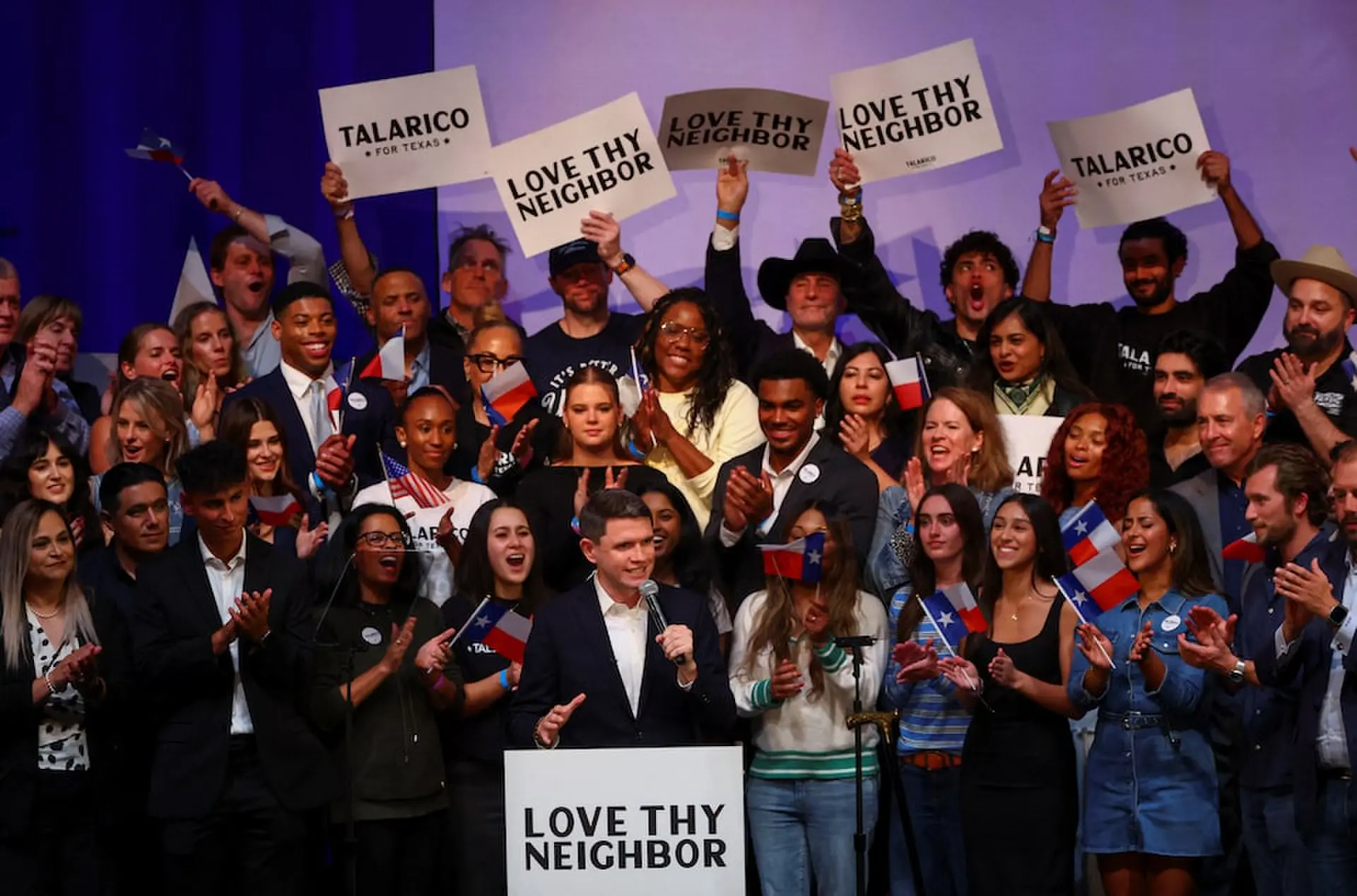
State Representative James Talarico won the US Senate race in Texas on Tuesday, according to ​media projections, defeating President Donald Trump-backed Republican Ken Paxton ‌to end Democrats’ 32-year statewide losing streak and give his party a major boost in the battle for Senate control.

It was a striking ​Democratic breakthrough in a state Republicans have long ​dominated. Trump carried the state by 14 percentage points ⁠in 2024. Paxton, the Texas attorney general, has been at ​the center of controversies that include a 2023 impeachment and ​a securities fraud case.

Talarico, a four-term state legislator and one of the nation’s top Senate fundraisers, overcame heavy outside spending in the most ​expensive Senate race of the cycle. He began as an ​underdog against former US Representative Colin Allred, the 2024 Democratic Senate nominee, ‌who ⁠later withdrew to run for Congress again.

Talarico went on to defeat US Representative Jasmine Crockett for the Democratic nomination, dealing a political blow to his former state legislative colleague.

Democrats capture Congress in sweeping setback for Trump

Republicans spent ​more than $316 million ​to retain ⁠the seat. Republican US Senator John Cornyn was ousted in a primary runoff after Trump ​endorsed Paxton. Republican leaders had viewed Cornyn as ​the ⁠stronger general-election candidate.

Paxton used his role as attorney general to sue former President Joe Biden’s administration more than 100 times.

Republicans held ⁠a ​53-47 Senate majority going into Tuesday’s elections, ​with Democrats needing a net gain of four seats to take control.

World

Hakeem Jeffries poised to become speaker of US House of Representatives

  • Democratic Representative ​Robert Garcia of California, who is expected to become chair of the House Committee on Oversight
Published Updated
Photo: Reuters
Photo: Reuters
By

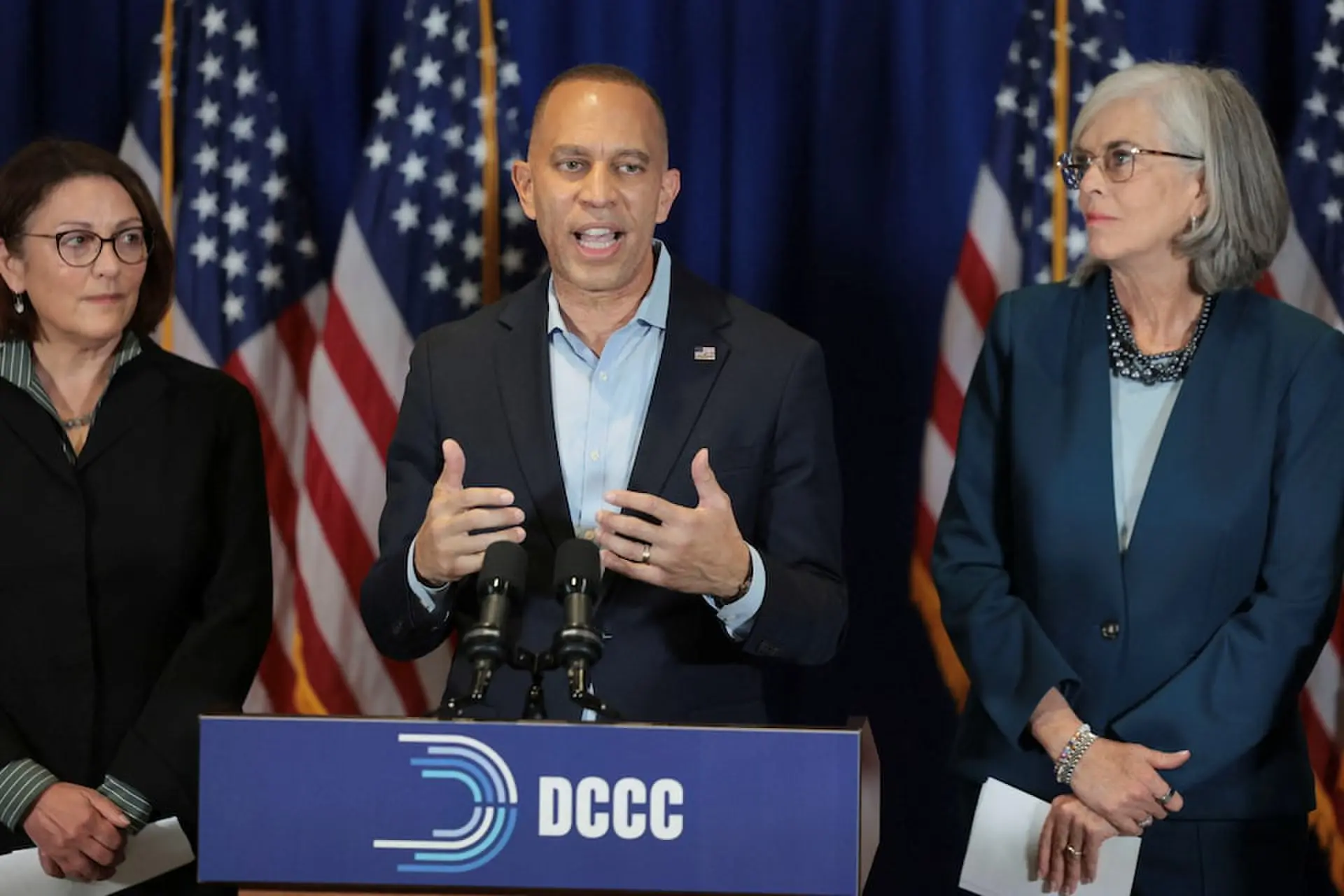
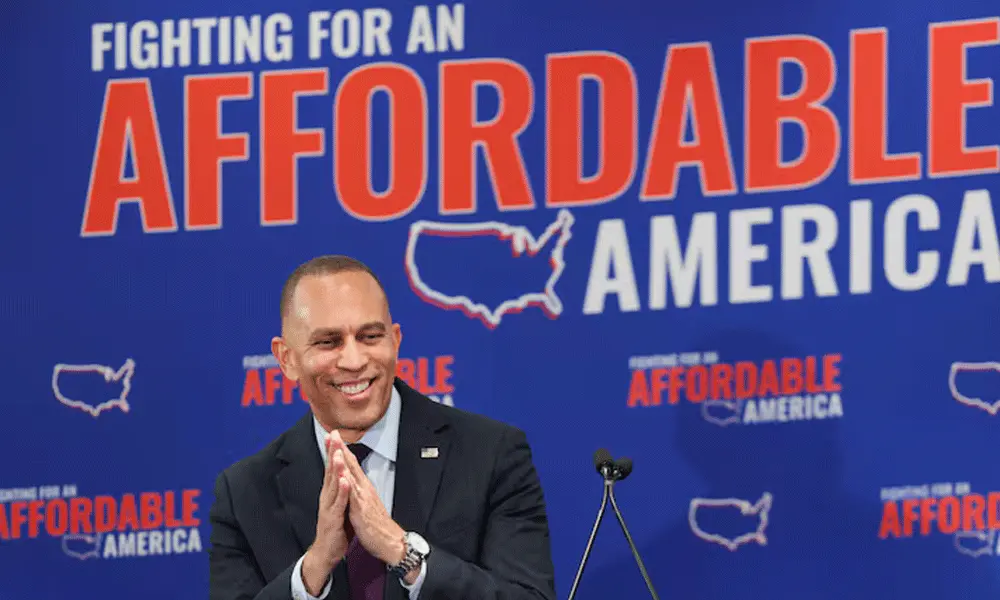
WASHINGTON: The Democrats’ midterm election win puts Hakeem Jeffries in line to become the first Black speaker of the US House of Representatives, with the dual challenge of opposing ​President Donald Trump while bridging the gap between his party’s moderates and its more vocal progressives.

As speaker, Jeffries, representing a New York City congressional district, would preside over a majority that will ‌be sworn in the first week of January, taking the reins from Republicans who controlled the House for the past four years.

“Today begins the great American comeback,” Jeffries proclaimed in a victory speech late on Tuesday after media outlets projected the likelihood of Democratic majorities in the House and Senate.

He attacked the Trump-led Republican agenda in Congress over the past two years, pledging to pass legislation reversing steep spending cuts — enacted into law on July 4, 2025 — to the Medicaid healthcare program for the poor and people with ​disabilities.

Democrats projected to win majority control of US House, US media project

“The American people have spoken and made clear that they’ve had enough of the extremism, enough of the corruption. They want a Congress that’s going to deliver for the American people,” Jeffries said.

Jeffries has ​long said that, while his caucus would focus on helping the poor and middle class cope with the high cost of living, Democrats would also investigate the Trump ⁠administration’s dealings with corporate executives, including those who have donated heavily to his various campaigns and projects.

He has stopped short of saying the House, under his leadership, would attempt to impeach Trump for a third time.

Democratic Representative ​Robert Garcia of California, who is expected to become chair of the House Committee on Oversight, had two words of advice. “Lawyer up,” he said in an election night statement.

With votes still being counted across much of the country ​after Tuesday’s elections, the size of the Democratic majority in the House for the next two years was unclear.

The House speaker acts as the boss of the often boisterous 435-member chamber, deciding what legislation advances to a vote or dies on the vine. The House speaker is second in line for the presidency, after Vice President JD Vance.

Later this month, the newly elected House Democrats will gather behind closed doors to anoint their candidate to run in the January election for speaker. Nobody is seen posing a serious ​threat to Jeffries, according to multiple Democratic aides.

Weeks later, with the start of a new Congress, the full House will vote to select the 57th speaker since 1789, with Republicans putting up their own candidate who will be ​all but certain to fail.

But Jeffries still has some work to do in nailing down the support of several far-left progressives, such as fellow New Yorker and Representative-elect Darializa Avila Chevalier.

In a September 30 interview with Vanity Fair, Avila Chevalier would ‌not commit to ⁠voting for Jeffries.

Instead, she gave a list of policies she said the next speaker must support: voting rights reforms, public housing investments, blocking offensive weapons to Israel, and universal healthcare.

However, pro-Israel groups are among Jeffries’ biggest campaign contributors, and he has been cool toward proposals for a “Medicare for All” healthcare program, which many moderate Democrats fear will be too costly.

“The question is what he has to give them to get them on board,” said Michele Swers, a Georgetown University professor of American government.

Tacking too far to the left, however, could cause a revolt among Democratic moderates.

Affordability above all else

Jeffries, 56, is known as a consensus-builder within his caucus, in contrast to the top-down style of former ​Speaker Nancy Pelosi. Yet he knows how to throw ​punches, particularly to rally the troops.

“In the majority, one ⁠of the first things we’re going to do is run Pete Hegseth out of town,” Jeffries said at a political rally just three days before Tuesday’s midterms.

But Jeffries’ mantra has been that Democrats will attack the “affordability crisis,” which voters repeatedly cite as their top concern.

“America is too expensive” has been his refrain in public appearances.

Democrat Abdul El-Sayed claims victory in Michigan Senate battle

A senior House Democratic ​aide said there is a series of bills he could lead off with that likely would unite Democrats: an expanded child tax credit that Trump and Republicans ​in Congress let expire, a ⁠housing tax credit to make home-buying more affordable, ending the war in Iran, bringing back subsidies for clean energy, and renewing some “Obamacare” healthcare subsidies.

That would be low-hanging fruit, some of which Trump could veto. Jeffries’ tougher challenge will be to reach across the aisle to pass critical legislation. That would include raising the debt limit for US borrowing, to avoid a government default, and approving federal spending, to avoid a government shutdown.

Jeffries will also spearhead other Democratic priorities such as protecting ⁠Social Security, undoing $900 ​billion in Republican cuts to Medicaid, and revamping immigration laws.

Kate deGruyter, a spokeswoman at Third Way, a moderate Democratic consultancy, said he should ​resist calls from progressives to impeach the president.

“I don’t think having a huge impeachment fight over the president is going to be helpful,” she said.

Iran top negotiator says Americans voted ‘no to war’

Newly elected progressives are “likely to come to Washington expecting to be able to change the universe starting on day one,” said David Miller, ​professor of government at American University. Jeffries’ challenge will be to temper those expectations “given that Democrats don’t control the White House.”

World

Democrat Gina Hinojosa defeats Texas Governor Abbott in a stunning upset

  • Hinojosa makes history as the first Hispanic elected to lead the state
Published Updated
Photo: Reuters
Photo: Reuters
By

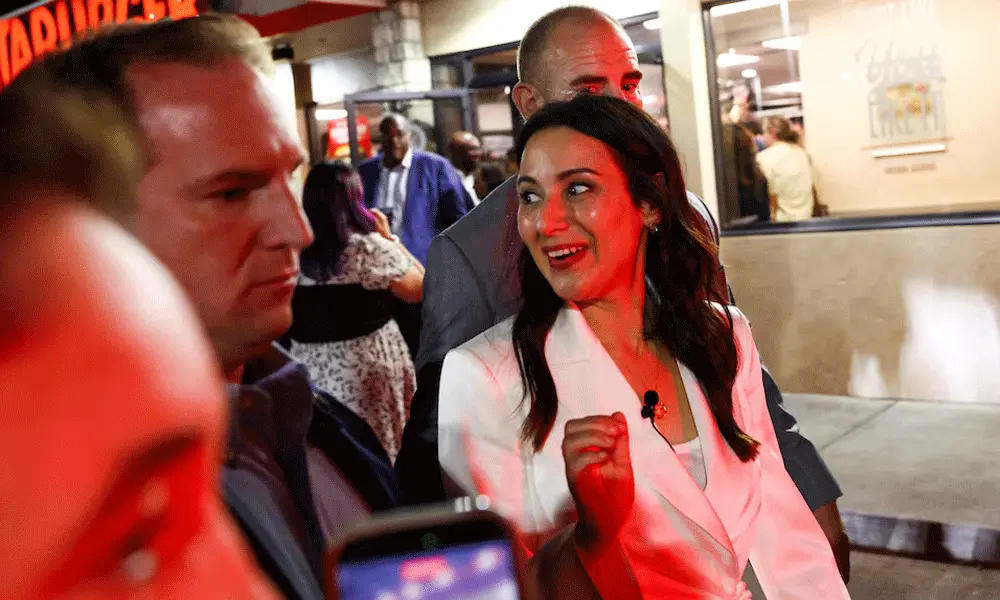
WASHINGTON: Three-term Republican Texas Governor Greg Abbott lost to Democratic state Representative ‌Gina Hinojosa in a stunning upset that ends the Republican Party’s three-decade hold on the governor’s office, US media projected on Tuesday.

Hinojosa makes history as the first Hispanic elected to lead the state. No Democrat has won statewide office in ​Texas since 1994, the longest drought in the nation.

It was another surprising result during a strong ​night for Democrats, who were projected to win control of both the House of Representatives and the ⁠Senate with victories in conservative states such as South Carolina and Kansas.

Hinojosa’s strategy hinged in part ​on persuading Latino voters that rising costs and strained public schools matter more than the cultural ​war issues that have pulled many Latino voters toward Republicans in recent years.

“We are as Texan and American as anyone,” she said in a July interview with Reuters in Austin. “Latinos are feeling the economic strain just like families ​all across this country and in Texas in a big way.”

Democrat Abdul El-Sayed claims victory in Michigan Senate battle

Abbott spent years cultivating support in ​South Texas, regularly visiting heavily Latino border communities, building an extensive field operation in the Rio Grande Valley ‌and making ⁠border security a centerpiece of his outreach.

Hinojosa emerged as an unexpected competitor to one of the best-known and best-funded Republican governors in the country.

Her win comes alongside that of State Representative James Talarico’s victory in the US Senate race in Texas, according to media projections. He defeated President Donald ​Trump-backed Republican candidate Ken ​Paxton.

The Democratic wins were ⁠a result of Latinos turning out to vote, motivated by affordability concerns and Trump’s aggressive immigration enforcement agenda, according to Voto Latino Executive Director Beatriz ​Lopez.

The organization, which works to register and mobilize Latino voters, registered about ​400,000 voters ⁠in Texas this election cycle and hopes to carry the momentum into the 2028 presidential election.

“This is a Texas sweep,” she said. “It has literally put Texas on the map as a battleground state - and ⁠that changes ​everything now and into 2028.”

Hinojosa’s win is part of a ​broader Democratic rout in Republican bastions as voters rejected Trump, his handling of the economy and the war with Iran.

World

Democrat Abdul El-Sayed becomes first Muslim elected to US Senate after Michigan win

  • El-Sayed won despite a last-minute hiccup in his campaign
Published Updated
Photo: Reuters
Photo: Reuters
By

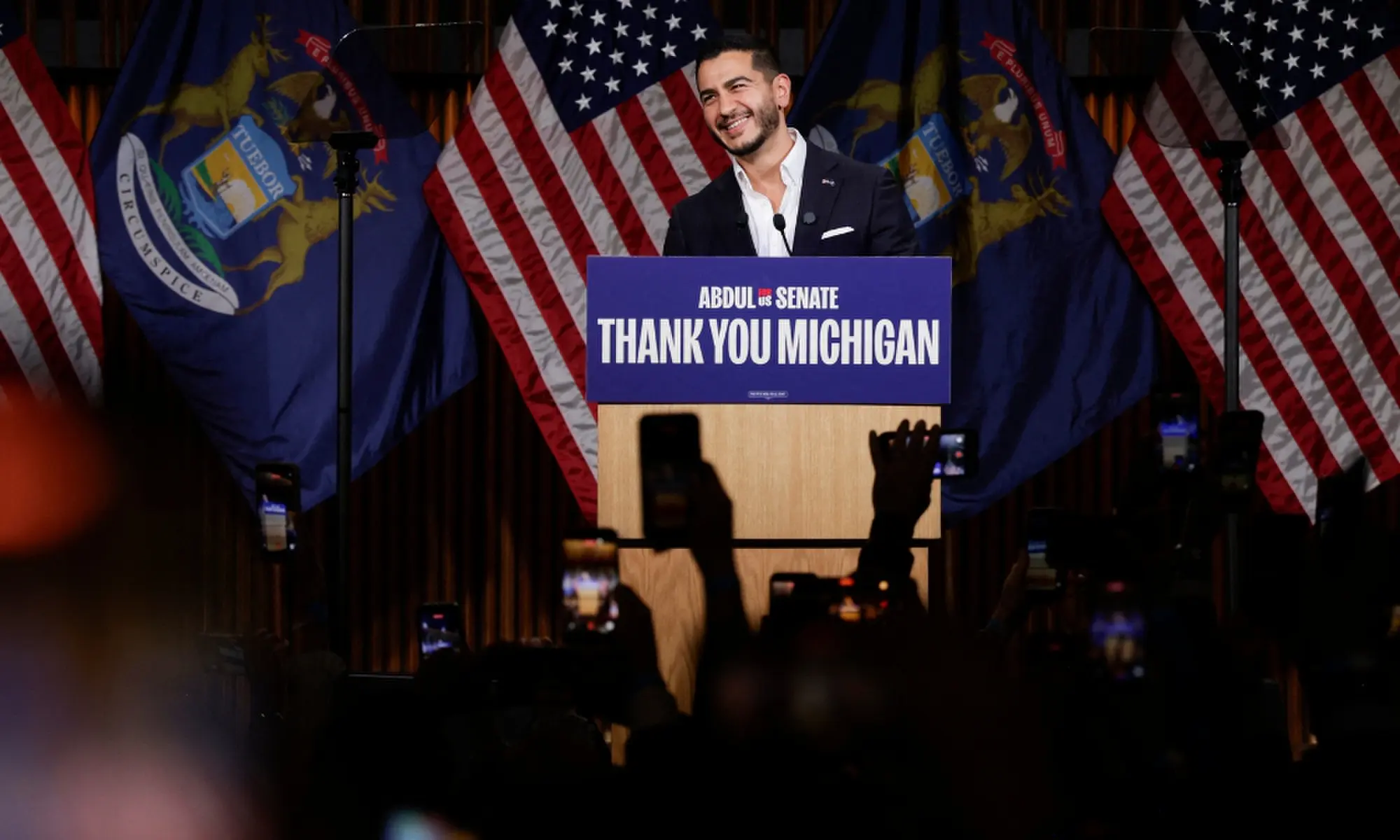
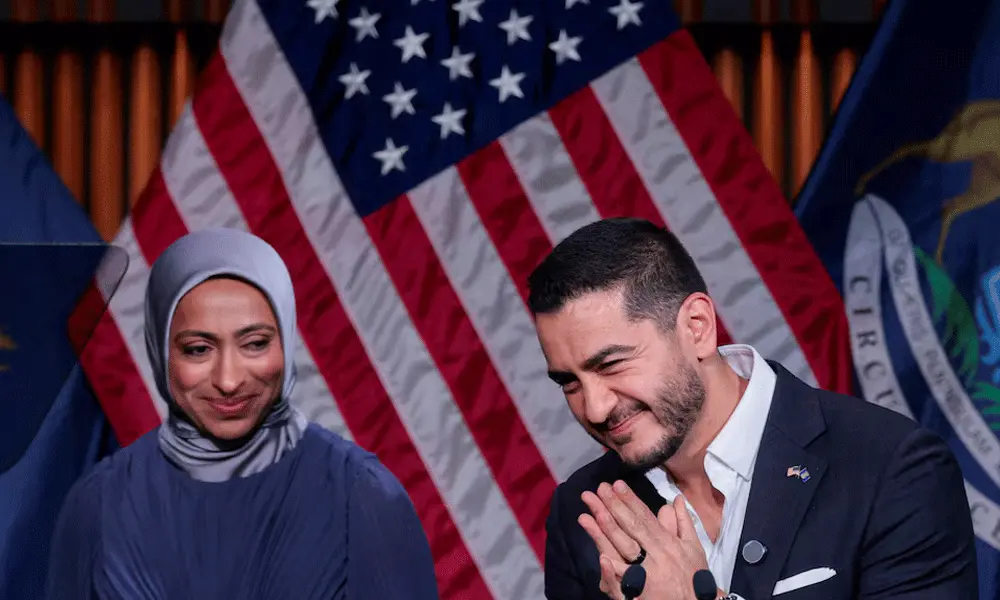
DETROIT: Democrat Abdul El-Sayed said early Wednesday that he had won a US Senate seat in Michigan over former Republican lawmaker Mike Rogers, which would make him the first Muslim elected to the upper chamber of Congress.

“Michigan, we did it!” El-Sayed said in a speech at his election headquarters in Detroit.

“I am so proud and honored to stand here as your senator-elect from the great state of Michigan.”

El-Sayed won despite a last-minute hiccup in his campaign when congresswoman Haley Stevens, who lost the Democratic primary to El-Sayed, came out in support of Rogers at the 11th hour.

The Michigan doctor rallied voters on leftist campaign promises, including universal health care, to hold a key US Senate seat for Democrats, taking over from the retiring Gary Peters.

Democrats capture Congress in sweeping setback for Trump

Republicans ran a scorched-earth campaign to paint Democrats as communists and branded El-Sayed a terrorist who would endanger Americans.

But the straight-talking 42-year-old El-Sayed pledged to help cash-strapped voters navigate America’s thorny health care system.

“You deserve to be able to see a doctor without getting a huge bill,” he told Michiganders on the eve of the vote, vowing to upend America’s divisive multi-billion-dollar for-profit medical system.

During the race, El-Sayed drew huge campaign crowds across the state, even in deeply conservative Republican areas.

El-Sayed also vowed to get “money out of politics” and address the harsh economic woes that have voters yearning for a political newcomer to shake up the status quo.

The election makes El-Sayed the first Democratic doctor in the Senate since 1969.

World

Democrat Amy Acton wins nasty Ohio governor race

  • Democrat Amy Acton won the race for governor in the midwestern US state of Ohio over billionaire Republican Vivek Ramaswamy
Published Updated
Photo: Reuters
Photo: Reuters
By

WASHINGTON: Democrat Amy Acton won the race for governor in the midwestern US state of Ohio over billionaire Republican Vivek Ramaswamy, media projections showed Tuesday, in a contest that turned ugly over an attack ad.

Acton’s victory, called by multiple networks, came after Ramaswamy faced a barrage of criticism over an ad featuring Acton’s estranged mother, whose husband was charged with raping Acton when she was a child.

Although Ohio has been a key battleground state, it has leaned Republican in recent years. President Donald Trump won the state in 2024 by double digits.

The 60-year-old Acton is a medical doctor by training and led Ohio’s health department in the early days of the Covid-19 pandemic.

Ramaswamy, who ran in the 2024 Republican presidential primaries against Trump, lost despite receiving Trump’s endorsement.

While Ramaswamy, 41, faced sharp backlash over his ad campaign, Trump continued to back the Republican candidate and accused the media of a coordinated attack to undermine his chances.

US Vice President JD Vance similarly defended his “good friend” Ramaswamy while on the campaign trail in Ohio.

But Democrats swiftly criticized the ad, as did some Republicans including outgoing Ohio Governor Mike DeWine, who could not run again due to term limits.

Democrats capture Congress in sweeping setback for Trump

In the ad by Ramaswamy’s campaign, Acton’s estranged mother – Donna Arthur – said her daughter has “lied her entire life” and should not be allowed to become governor.

Acton issued a statement last month saying that she and her brother had “endured abuse, hunger, and neglect” as children.

“Between the ages of 10 and 12, I was sexually abused by her husband, while my birth mother did nothing to protect me,” she said.

Arthur’s husband fled before he could be tried on the sexual assault charges and is now dead.

Acton said she had not seen her mother since 1978, adding that it was “sad to see Vivek Ramaswamy exploit her all for his own political gain.”

World

Iran top negotiator says Americans voted 'no to war'

  • Americans voted 'NO TO WAR' after Democrats routed the Republicans in the midterm elections
Published Updated
By

TEHRAN: Iran’s chief negotiator in talks with the United States, Mohammad Bagher Ghalibaf, said Wednesday that Americans voted “NO TO WAR” after Democrats routed the Republicans in the midterm elections.

Democrats won full control of the US Congress in a sweeping landslide of upsets that delivered a crushing rebuke of President Donald Trump and his party.

The vote reflected deep anger over living costs, tariffs and Trump’s war against Iran, which has sent fuel prices soaring and compounded dissatisfaction with an already deeply unpopular president.

Democrats capture Congress in sweeping setback for Trump

“Conscience or the cost of living, Americans said NO TO WAR, and we endorse this message,” Ghalibaf posted on X.

“If the US govt betrays their public will to serve international paymasters and blackmailers, it will learn our NO comes with a Nightmare.”

The war, triggered by US-Israeli strikes on Iran in February, has been at a stalemate for months, punctuated by sporadic exchanges of fire amid fears of a full-scale resumption of hostilities.

World

Trump acknowledges Iran role in Democratic sweep

  • Trump said the war in Iran had weighed on Republican candidates, even as voters backed his handling of it
Published Updated
By

President Donald Trump acknowledged that the war in Iran played a role in Republicans’ losses in Tuesday’s midterm elections, as Democrats prepared to take control of both the US House and Senate and challenge his legislative agenda.

In an interview with Fox News, Trump said Democrats would send legislation he considered “insane” to his desk and that he would veto it.

“They’ll send over things that are insane, and I’ll veto them,” he said. “And after a couple of months of vetoes, they’ll call and they’ll say, ‘How do we get this stuff done?’ And we’ll work together.”

Trump said the war in Iran had weighed on Republican candidates, even as voters backed his handling of it.

Democrats capture Congress in sweeping setback for Trump

“I think a part of it was Iran, but at the same time people understood the importance of what I’ve done with Iran,” he said.

World

Democrats projected to win majority control of US House, US media project

  • Democrats were on ⁠track ​to win ​majority control of the ​US ​House of Representatives
Published Updated
Photo: Reuters
Photo: Reuters
By

WASHINGTON: US ​media projected ‌on Tuesday ​that ​Democrats were on ⁠track ​to win ​majority control of the ​US ​House of Representatives, ‌putting ⁠them in position ​next ​year ⁠to challenge ​President ​Donald ⁠Trump’s agenda.

World

Democrat Annie Andrews wins US Senate seat in South Carolina upset

  • Annie Andrews won a US Senate seat in conservative South Carolina on Tuesday
Published Updated
Photo: Reuters
Photo: Reuters
By

WASHINGTON: Democrat Annie Andrews won a US Senate seat in conservative South Carolina on Tuesday, according ​to media projections, ousting Republican Darline Graham in a ‌state President Donald Trump carried by 18 percentage points just two years ago.

Andrews, a pediatrician, is the first Democrat to win a Senate seat in ​South Carolina in 28 years, a striking gain for ​a party that needed a net four seats to ⁠overturn Republicans’ 53-47 majority.

Andrews’ win in a state that neither Democrats ​nor Republicans considered competitive until recent weeks embodies the broader rejection ​of Trump and his handling of the economy during the first two years of his term.

Trump’s approval rating hit a record low over voter discontent ​with the Iran war, high diesel prices and the cost ​of living, which put once solidly Republican seats into play.

Democrats gain ground in battle for Congress with North Carolina flip

After the death of ‌his ⁠ally, US Senator Lindsey Graham, Trump backed Graham’s sister Darline to fill his seat. Trump encouraged her to run for a full six-year term despite her low profile and political inexperience.

Graham won a ​special runoff election ​for the ⁠Republican nomination with Trump’s backing, but she acknowledged during the primary that she’s “not that informed on national ​security.”

Andrews outraised Graham by $22 million. Republican outside groups ​poured $27 ⁠million into holding the seat, while Democratic groups invested $24 million to flip it.

US voters head to polls to deliver midterm verdict on Trump

Trump last week held a rally in the state as the ⁠race ​tightened, where Graham told supporters her opponent ​is “batshit crazy.” In response, Andrews asked Graham if it’s crazy “to want cheaper gas and ​groceries.”

World

Keisha Lance Bottoms wins Georgia race, becomes first Black woman elected governor of US state

  • She succeeds Republican Governor Brian Kemp, who is leaving office after serving ​two consecutive terms
Published Updated
Photo: Reuters
Photo: Reuters
By

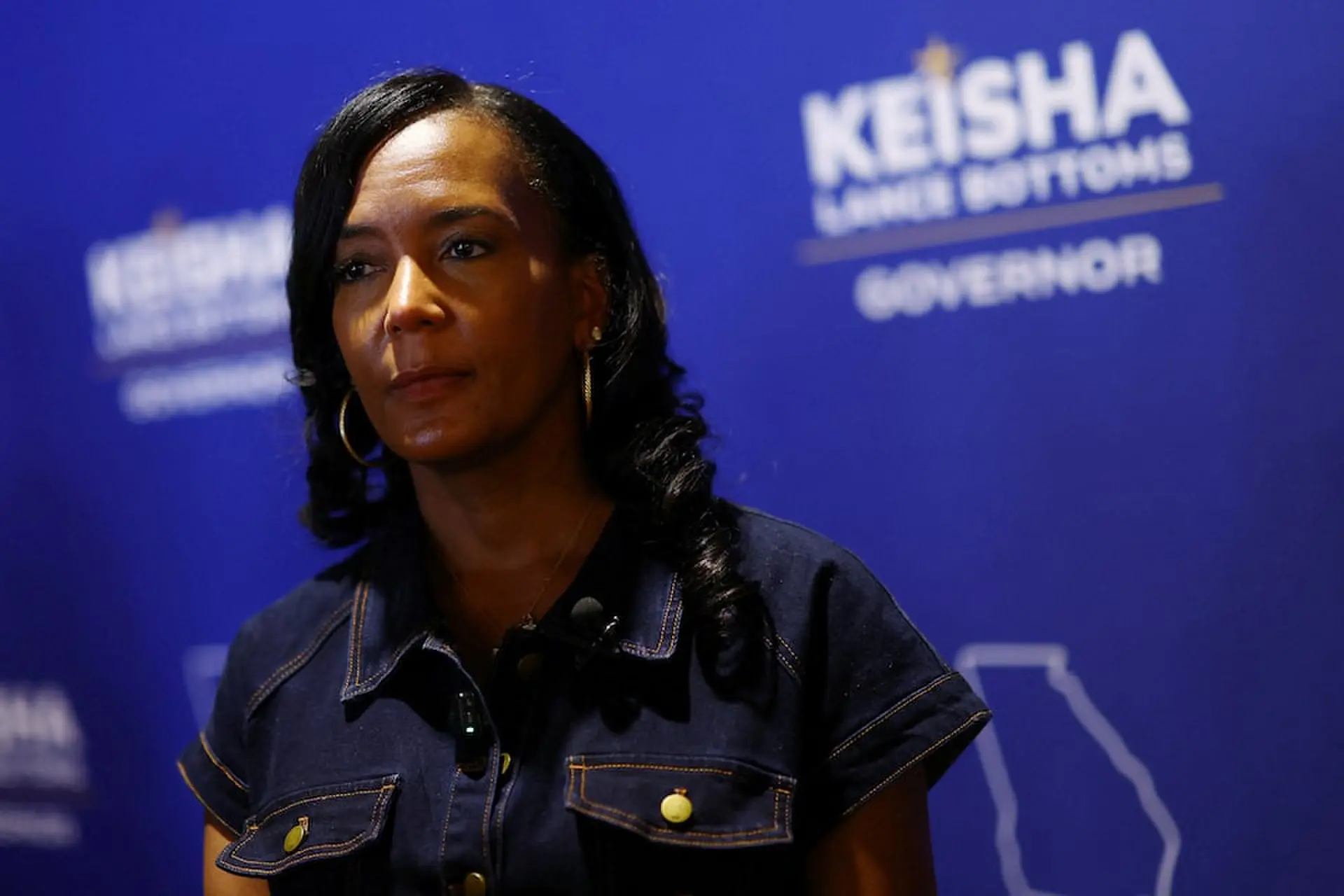
Democrat Keisha Lance ‌Bottoms won Georgia’s race for governor on Tuesday, becoming the first Black woman elected governor of a US state and delivering Democrats a victory in one of the nation’s most closely divided ​political battlegrounds.

The former Atlanta mayor, who will also be the first female ​governor of the state, defeated Republican businessman Rick Jackson, according to US ⁠media projections.

She succeeds Republican Governor Brian Kemp, who is leaving office after serving ​two consecutive terms. Bottoms, 56, also previously served as a senior adviser to former President ​Joe Biden and director of the White House Office of Public Engagement.

Democrats gain ground in battle for Congress with North Carolina flip

The victory marked a new milestone for Black women in American politics, who have long been a core base within the ​Democratic Party but remain underrepresented in the nation’s highest elected offices. The same evening, ​Stacey Plaskett was elected governor of the US Virgin Islands, a US territory, becoming the first ‌Black ⁠woman elected governor of a US jurisdiction.

Bottoms’ win also marks a significant shift in Georgia state politics, where Black voters have formed a central part of the Democratic coalition that helped to turn the reliably Republican state into a national battleground.

Republicans had controlled ​the governor’s office ​for more than two ⁠decades.

Polls begin closing in US midterm elections to determine control of Congress

Jackson, the billionaire founder of healthcare staffing company Jackson Healthcare, cast himself as a political outsider and campaigned on tax cuts, ​public safety and reducing government regulation.

Bottoms’ victory comes eight years ​after fellow ⁠Democrat Stacey Abrams became the first Black woman nominated for governor by a major US political party.

US voters head to polls to deliver midterm verdict on Trump

Abrams lost governor’s races in Georgia in 2018 and 2022, but her campaigns helped ⁠to ​build a multigenerational, multiracial coalition that boosted Democratic turnout, ​helped elect two Democratic US senators and delivered Georgia’s electoral votes to a Democratic presidential candidate for ​the first time in decades.

World

Democrats capture Congress in sweeping setback for Trump

In addition, 70% of voters surveyed said ​they want Congress to provide more checks and balances on the president
Published Updated
Photo: Reuters
Photo: Reuters
By

WASHINGTON: Democrats captured majorities in both the Senate and House on Tuesday, scoring sweeping victories that reached deep into Republican strongholds as tens of millions of voters delivered a scathing rebuke to ​President Donald Trump.

The size and breadth of the Democratic wave were still coming into focus, but the party prevailed in states long thought to ‌be out of reach, including conservative bastions like South Carolina, Texas and Iowa.

The Democratic wave underscored voters’ deep frustration with Trump’s stewardship of the economy and his decision to launch a war against Iran in February, which drove gas prices up sharply. In poll after poll, voters expressed anxiety about the cost of living and anger at the way Trump has handled the issue.

In Kansas, Adam Hamilton, a megachurch pastor, ​became the first Democrat to win a Senate seat since the Great Depression nearly a century ago.

In Ohio, Democrat Sherrod Brown claimed a seat that belonged to ​Vice President JD Vance two years ago, while Texas Democratic state Representative James Talarico withstood a barrage of outside spending to defeat ⁠scandal-plagued Republican Attorney General Ken Paxton. Both Ohio and Texas voted for Trump by a double-digit margin in 2024.

US voters head to polls to deliver midterm verdict on Trump

In South Carolina, a state that Trump carried by nearly 18 ​points in 2024, pediatrician Annie Andrews triumphed over Republican Senator Darline Graham, who was appointed to the seat after the death of her brother, Senator Lindsey Graham.

Trump elevated Paxton and Graham ​ahead of more established candidates despite clear liabilities. Paxton has been at the center of a litany of controversies, including his 2023 impeachment and securities fraud charges, while Graham’s admitted inexperience drew negative headlines.

Trump campaigned heavily for Paxton, Graham and Ohio’s Jon Husted as part of a late election blitz that included more than two dozen rallies, and the president told his supporters repeatedly to “pretend I’m on the ballot” ​in an effort to fire up his base.

On Tuesday night, as it grew clear Republicans were in danger of losing their congressional majorities, Trump wrote on social media, “I wasn’t ​on the Ballot and if I was, we would have won IN A LANDSLIDE! Thank you for your attention to this matter.”

Democrats had flipped six Republican Senate seats in all, ensuring a majority ‌even if they ⁠don’t manage to hold their own seats in competitive Michigan and Minnesota.

Democrats were also on track to take control of the US House of Representatives after flipping at least eight Republican seats in states including Kentucky, New Jersey and North Carolina and showing strength even in solidly conservative districts.

The party’s dominance extended to other races as well. Texas Governor Greg Abbott, a three-term incumbent, lost to Democrat Gina Hinojosa, while Democrats also captured governorships in conservative Iowa and Ohio.

A rebuke to trump, winner says

“In sweeping and decisive victories, the American people ​have rebuked the depravity, corruption and incompetence of ​the man named President Donald J. ⁠Trump,” incumbent Democratic Senator Jon Ossoff, the projected winner in Georgia, told supporters at a victory party.

In Florida, Republican Senator Ashley Moody fended off Democrat Angie Nixon but was ahead by only about 3 percentage points in a state Trump carried by 13 points in ​2024, according to a vote count compiled by Reuters and USA Today, further evidence that even solidly Republican states were shifting dramatically ​toward Democrats.

Democrats held onto ⁠three House districts in Florida that Republican lawmakers had redrawn earlier this year, all of which backed Trump by at least 9 percentage points.

Polls begin closing in US midterm elections to determine control of Congress

According to exit polls conducted by SSRS on behalf of a consortium of US media outlets including major television networks and the Associated Press, half of voters nationwide said they saw the 2026 midterm elections as an opportunity to rebuke the ⁠president, and ​three-quarters said they are “angry” or “dissatisfied” with the way the country is headed.

In addition, 70% of voters surveyed said ​they want Congress to provide more checks and balances on the president.