

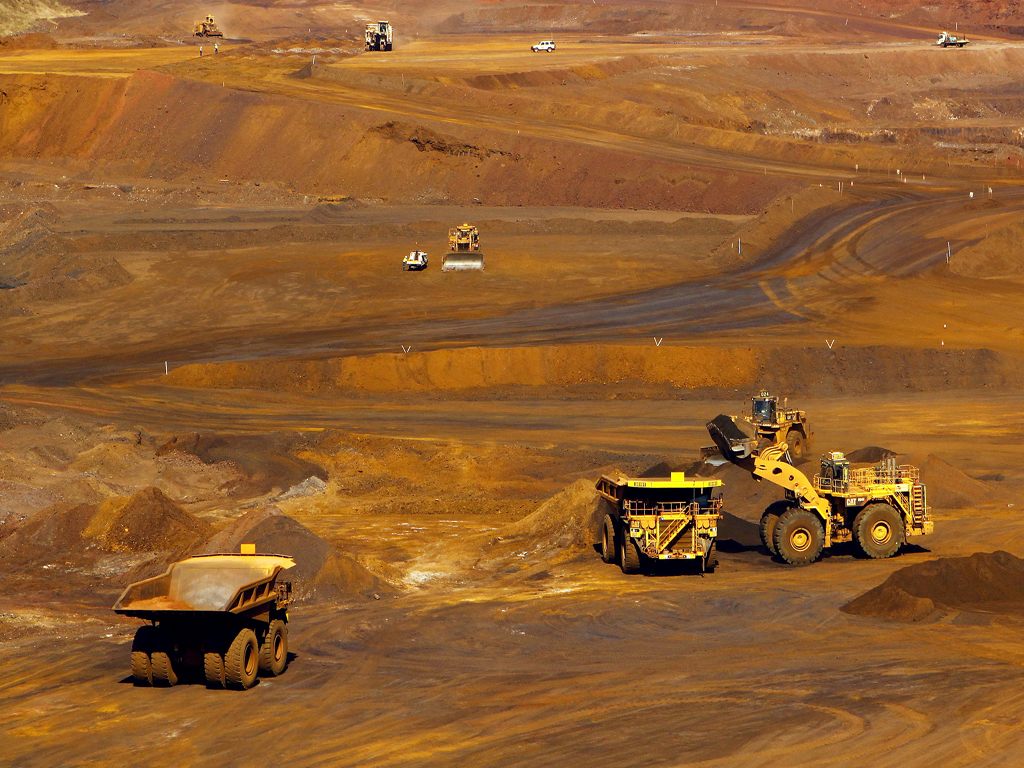
 BEIJING: China's iron ore imports rose in March after touching a 10-month-low in February, customs data showed on Friday, with steel mills replenishing their inventory as winter production restrictions started to end.
Arrivals of the steelmaking raw ingredient came in at 86.42 million tonnes in March, according to data from the General Administration of Customs.
That was up from 83.08 million tonnes in February and also up on 85.79 million tonnes in March last year.
For the first quarter of 2019, China brought in 261 million tonnes of iron ore, the data showed, down 3.5 percent from 270.4 million tonnes in the same period last year.
Winter season output restrictions aimed at curbing pollution in northern China were mostly lifted by the end of March, although some regions, including the top steel-making hubs of Tangshan and Handan, continued some curbs into the second quarter.
"China's domestic demand started to see big increase since mid-March as steel mills gradually resumed production amid easing winter curbs," said Fan Lu, analyst from Sinosteel Futures.
The average inventory of imported iron ore at mid- and large-steel firms in China rose to 30.4 days of use by end-March, from around 28.5 days in February, according to data compiled by Xiben New Line E-commerce, a steel trading platform.
Weekly utilisation rates at steel mills across China had risen to 69.48 percent as of April 12, the highest level since mid-July, data tracked by Mysteel consultancy showed.
But analysts also warned that high iron ore prices may affect iron ore trade in the near-term.
"Steel mills are still cautious on purchases at this moment ... They are only buying smalls amount that can support use for a few days," said Zhu Hao, analyst from Orient Futures before data was released.
The May-delivered iron ore contract on the Dalian Commodity Exchange hit a peak for the contract of 720 yuan ($107.18) a tonne on Tuesday, fuelled by concerns over tight supply after production and shipment disruptions at top miners in Brazil and Australia.
Vessel-tracking and port data compiled by Refinitiv suggests China will import about 60.19 million tonnes of seaborne iron ore in April after cyclone Veronica hit Western Australia in late March.



















Comments
Comments are closed for this article.