


 GENEVA: A year after oil firms jockeyed to secure the first deals in post-war Libya, political disorder and a large surplus of oil in Europe have sapped enthusiasm ahead of talks this week for 2013 contracts worth around $50 billion.
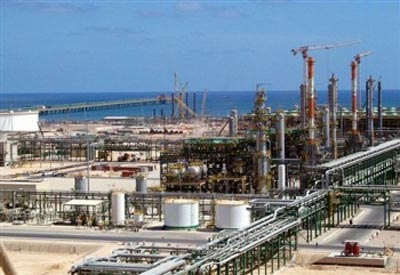
More than a year has passed since the ousters of Muammar Gaddafi took control of the OPEC country, and while oil output has risen back to pre-war levels of 1.6 million barrels per day, unrest still disrupt shipments and work at refineries.
Protests and strikes cause expensive delays, while the continued presence of guns and rocket-propelled grenades in the capital is a concern for investors.
"The political instability and security problems make it less attractive for the international oil companies and for the traders as well," said Charles Gurdon, managing director of Menas Associates, a political risk consultancy.
Libya's national congress appointed Abdelbari al-Arusi as oil minister earlier this month, although it is unclear how responsibilities will be shared with the National Oil Corporation (NOC), which currently oversees oil sales.
Complicating the talks is the fact that sweet, high-quality crude that Libya produces is increasingly difficult to sell.
Global supply of similar, sweet grades is increasingly abundant because of the US shale oil boom, while at the same time, demand is falling because of closures at European plants, some specially designed to process Libyan crude.
Last November, major traders such as Vitol and Glencore made their debut in talks with Africa's third largest producer, vying alongside established clients such as Italy's Eni for deals in a departure from policies under Gaddafi.
Together, trading houses won close to 10 percent of Libyan oil exports in 2012, while Italian, French and Spanish refiners were given priority access to crude.
Now, oil firms gathering in Istanbul for the talks say the premium once sought for Libyan oil is no longer justified as the world is structurally short of sour not sweet crude.
"People have struggled. The future is clearly sour and they will have to adjust lower their selling prices," said a crude oil trader with a large independent trading house.
At some point this year, Libya set official prices so much higher than rival Kazakh CPC or Algeria's Saharan grades that buyers steeply cut purchases. That contributed to the country's output fall by 300,000 bpd and prompted crisis talks between the NOC and clients.
High prices have especially hurt oil traders with no refineries as they need to seek an extra margin in arbitraging tankers between producers and consumers.
Official prices have since fallen but Gurdon said there may be ongoing political pressure for Libya's oil chiefs to keep prices high, as the hydrocarbons sector accounts for around 90 percent of government revenue, according to a 2012 IMF report.
"It's very difficult to tell people after a revolution when there's a lot of resource nationalism that they need to give better terms to foreign companies," he said.

























Comments
Comments are closed for this article.