


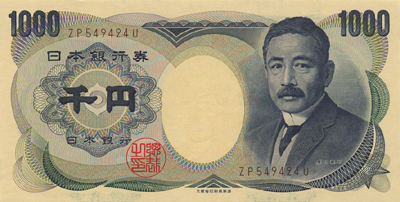
 SYDNEY/SINGAPORE: The yen stayed on the defensive on Monday, but losses were limited, in a sign that further action may be needed to curb the Japanese currency after the first G7 joint intervention in over a decade.
Analysts said the G7 deal was more likely an attempt to dampen market volatility than reverse the yen's strengthening trend. Japan markets are off on Monday, sapping liquidity even further.
"For the moment the intervention has worked, putting a base above the 80 level. The Japanese authorities are really looking to control the volatility, and the pace of any appreciation, and that looks like it's working for now," said Christopher Gothard, Head of FX for Brown Brothers Harriman in Hong Kong.
Traders and analysts say the Bank of Japan, the European Central Bank and Bank of Canada together conducted around $32.3 billion worth of yen-selling intervention on Friday. Estimates for the Bank of England and the US Federal Reserve were not immediately available.
The dollar rose 0.4 percent from late US trade on Friday to 80.93 yen . At one point on Friday, the dollar had surged nearly 4 percent on the day to 82.00 yen.
The G7's joint intervention on Friday came after the yen jumped to a post-World War Two record high of 76.25 yen to the dollar last Thursday. Stop-loss dollar selling linked to option barriers and long liquidation by Japanese retail margin traders had helped to fuel the US currency's fall against the yen.
There has also been much market speculation that Japanese insurers may repatriate funds from abroad to procure cash to pay policyholders in the wake of the devastating earthquake and tsunami that struck Japan on March 11, although several market players in Tokyo say Japanese insurers are unlikely to sell a large amount of foreign assets.
The intervention has succeeded in bringing down the implied volatility on dollar/yen as investors saw less need to hedge against a further yen rise for now.
The implied volatility on one-month dollar/yen traded at around 13 percent, well off the highs of about 21 percent on Thursday.
A trader for a US bank in Hong Kong said the Bank of Japan is seen likely to sell the yen again if the dollar drops below 80.00 yen.
"You have to think the line in the sand is 80, at least 79.50. It would be embarrassing if it got below there," the trader said.
The yen dipped broadly and the Australian dollar rose 0.8 percent to 81.07 yen , with risk sentiment improving due to signs of some progress in tackling the crisis at Japan's quake-stricken Fukushima nuclear power plant.
But uncertainty about whether the situation will continue to improve is likely to limit the yen's losses, said Satoshi Okagawa, head of FX and money trading group at Sumitomo Mitsui Banking Corporation in Singapore.
"Unless the problems with the nuclear plant are clearly resolved, pressure for the yen to strengthen is likely to persist," Okagawa said. The dollar would probably need an impetus such as some solid US economic data and a rise in US Treasury yields to rise further against the yen, he added.
On the charts, it would take a break above the upper end of the tentative declining channel around 83.05 to lower the risk of a dip back to 76.25, or even to the lower channel line around 75.00, SG analysts said.
One factor supporting the Japanese currency is the fact that no one seems to favour the dollar at the moment. The dollar fell to a 15-month low against a basket of major currencies of 75.536 earlier on Monday.
The euro briefly hit a four-month high of $1.4200 as the euro zone looked set to officially agree on details of bolstering a bailout fund at the March 24-25 EU summit, aimed at soothing market fears about the region's sovereign debt problems.
After trimming its gains, the euro stood at $1.4168 , down 0.1 percent on the day.






















Comments
Comments are closed for this article.