


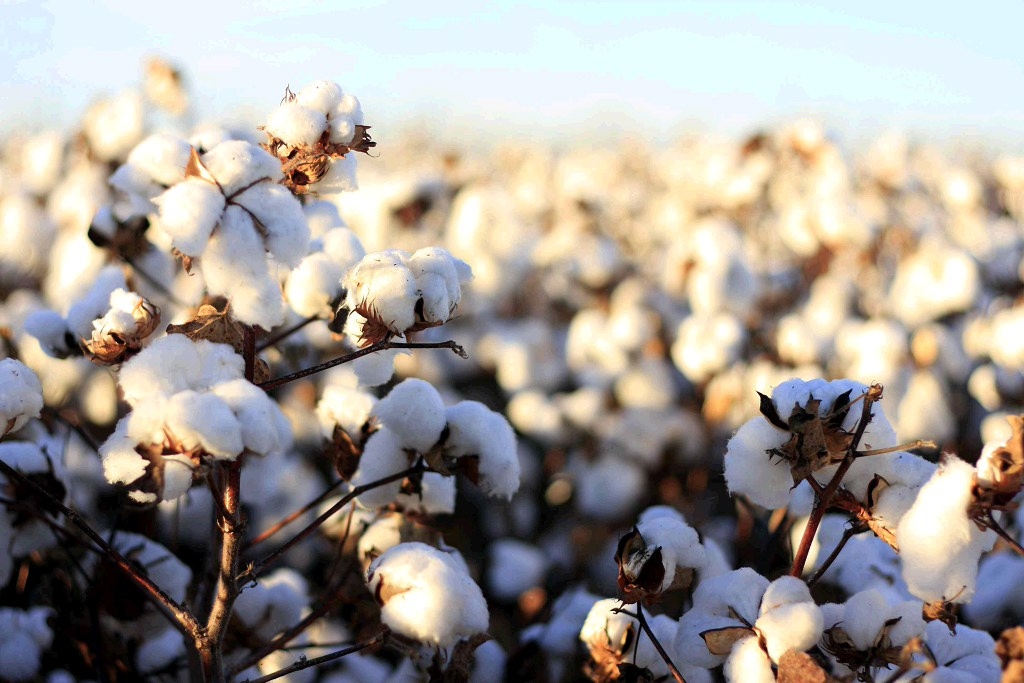
 There is noticeable hue and cry over this season’s cotton output. Official word is that Pakistan’s actual cotton production can “realistically” be expected at 10.2 million bales. But it’s a matter of perspective as to how bad this production figure really is. On one hand, the output is slightly better than 9.86 million bales produced last season. On the other, the produce is a third shy of the official target of 15 million bales.
To begin with, the lofty target for this year’s output defied reason. Amid a secular decline in acreage and yield, how could there be a 50 percent jump in the white harvest? The surprise, then, is not missing the unrealistic target that assumed a record growth in yield. The only unexpected thing is the fact that the output this year is somewhat better, despite higher than usual rainfalls, gusty winds in certain regions, and pest attacks on standing crops.
Besides, changes in cotton output may not be directly correlated with activities in the processing industries. As a crop, cotton holds 4.5 percent stake in agriculture GDP and consequently 0.8 percent share in overall GDP.
In the secondary sector, the cotton-based textile industries have a 21 percent share in large-scale manufacturing and consequently a 2 percent share in national GDP. For instance, in FY19, cotton output declined 17 percent year-on-year; but textile LSM showed a slight decline of 0.19 percent.
Therefore, the portrayal in certain quarters of this cotton output as some kind of a “disaster” can be treated as a hyperbole. With similar cotton output as last year, there is likelihood of this cotton output having a somewhat benign impact on agro and manufacturing GDP growth (low base effect), as well as the trade balance. But there is still a need to address the causes of long-term decline in cotton economy
There is a gradual reduction in cultivation area for cotton. Acreage declined from 2.97 million hectares in FY15 to 2.37 million hectares in FY19. But acreage isn’t the whole story. The real indicator is the yield, which is down from 802 kg per hectare in FY15 to 707 kg per hectare in FY19. This season, the yield will further decline, as a 17 percent growth in cultivated area has yielded only 3 percent increase in output.
A lot has been written about the need for better farming techniques, but the issue of yield enhancement boils down to a lack of proper seed markets in Punjab and Sindh. As previous varieties of cotton (often seeded from the grey market) are now unable to withstand pest attacks, the new-generation, pest-resistant varieties need to be introduced through officially-sanctioned market mechanisms.
Resilient seed varieties alone, however, won’t be able to keep farmer’s faith. No one can deny the rising cost of agricultural inputs, especially in the last two years. Cotton is a sensitive crop compared to the alternatives.
As long as sugarcane and maize offer better returns at lower risk compared to cotton, the farmers will probably not pay attention to availability and affordability of better cotton seed varieties.
But it would be a costly mistake to de-link cotton economy from international markets by announcing support prices. It isn’t clear by how much, but indicative price can incentivize cultivation of cotton and investment in yield enhancement techniques. But the flipside is that a price-floor above the international market rate will raise cost of production for processors and create other market inefficiencies.
The significant PKR devaluation in the last year and a half is expected to address the pricing imbalances and give better signals for next plantation cycle. Instead of a purely fiscal response to jack up cotton output temporarily, the policy focus needs to be on sustainable production of cotton, keeping in mind the challenges of climate change as well as low competitiveness of the export-oriented textile sectors.





















Comments
Comments are closed for this article.