


The Gas Infrastructure Development Cess (GIDC) has historically been a pain point for the industry. Originally implemented in 2011, the GIDC was supposed to be utilised for quite obviously gas infrastructure development including projects like TAPI (Turkmenistan-Afghanistan-Pakistan-India) pipeline project as well as RLNG pipelines and other associated infrastructure.
Developing gas infrastructure has become even more important in light of the heavy volume of imported R-LNG which needs an entire supply chain from regasification terminals to pipelines. But a pressing fiscal deficit means there are preciously few funds to dedicate to the establishing this supply chain.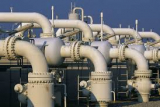
But the GIDC has been used more as a revenue tool than a cess. Former finance minister Ishaq Dar used it to plug in the fiscal gaps. Recall that financing for the second RLNG pipeline project was done through bank borrowing by SNGPL and SSGC as the finance ministry did not want to utilise collected GIDC funds.
The measure has proved to be controversial as it was challenged in the courts which deemed it illegal. However, subsequently the former government passed the GIDC Act 2015 which allowed it to resume collection.
The new government in its quest to promote export oriented industries has decided to remove GIDC collection for the five zero-rated sectors including textile, leather, sports goofs and surgical instruments.
It has also decided to slash the GIDC collection by 50 percent going forward so the expected Rs100 billion collections in FY19 is not on the cards anymore. Relief will also be given to the general industry with a reduction of 50 percent in the total outstanding amount of Rs416 billion.
The government is counting on this reduction in GIDC to coax the defaulters to cough up the remaining almost Rs200 billion in outstanding payables by the industry. The reduced GIDC rate will only be applicable on those who clear their prior GIDC dues.
It is a bold move no doubt and is being done to resolve an issue that has proved controversial since its introduction. The government also hopes to see an influx of Rs200 billion if all goes according to plan which will help with managing its fiscal deficit.
But as mentioned earlier, it is important to utilise this cess for the purpose of gas infrastructural development rather than have the utility companies take out expensive loans in a high-interest rate environment for the construction of pipelines. Otherwise it is not actually a cess but simply a revenue tool and the collection will only disappear in the financing pool and undermines the whole purpose of levying it in the first place.
















Comments
Comments are closed for this article.