


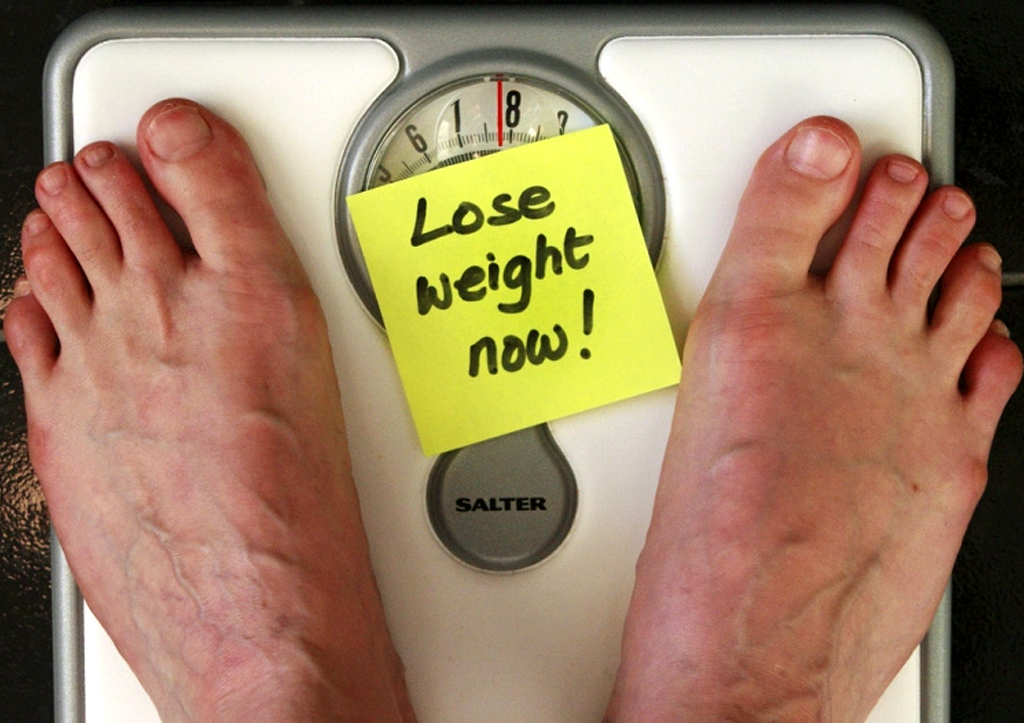
 ISLAMABAD: While losing excess weight can be considered healthy, researchers claim that it may reduce bone density, bone architecture and bone strength in older adults.
According to the study, the magnitude of changes to the skeleton were clinically significant and translated into an almost three-fold increase in the risk of fracture for those who lost five per cent or more weight over 40 years.
Long-term and recent weight loss were found to be associated with lower cortical density and thickness, higher cortical porosity, and lower trabecular density and number in the elderly.
The study published in the Journal of Bone and Mineral Research, included 769 women, 595 men with an average age of 70.
"We showed that men and women with both shorter term weight loss over 4-6 years and longer term weight loss over 40 years had more micro-architectural deterioration of their bones than persons who did not lose weight," said principal investigator Douglas P. Kiel from the Hebrew Seniorlife Institute for Aging Research, US
The study published in the Journal of Bone and Mineral Research, included 769 women, 595 men with an average age of 70.
Weight measurements taken every 4-6 years were used to assess recent weight change over 6 years and long-term change over 40 years.
"Older adults who are losing weight should be aware of the potential negative effects on the skeleton and may want to consider counteracting these effects through interventions such as weight-bearing exercise and eating a balanced diet," said senior author, Elizabeth Samelson.
"Given that weight loss is highly common in older adults, further work is needed to evaluate if these bone deficits can be prevented through interventions or therapy," Samelson noted.



















Comments
Comments are closed for this article.