


The global herbal medicinal market is divided into western herbalism, traditional Chinese medicine and an assorted other remedies, from the sub continent’s ayurvedic and yunani cures to African shamanism and Japanese traditional medicine Kampo. Though these forms of alternate medicines are as old as the civilizations they belong to, it is only lately that they are gaining acceptance.
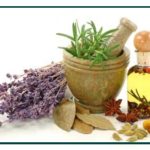
In 2017, herbal medicinal products market worldwide was valued at a little more than $130 billion, small fish compared to the pharmaceutical industry which crossed $1 trillion in 2014. However, herbal medicines are expected to grow at a CAGR of 7.6 percent for the next decade showcasing potential for the niche market.
Ayurvedic pharmaceuticals are evaluated at about $75 billion with a CAGR of 6.6 percent. In regions such as North America, these medicines are sold as nutraceuticals (dietary supplements) that are pre-affirmed by FDA. To develop this market, last year India signed a MoU with WHO to develop a global protocol for promoting traditional and complimentary medicines to allow their medicines increase in international acceptability.
In Pakistan, Hamdard Laboratories, arguably Pakistan’s most popular herbal pharmaceutical manufacturers is working towards jumping on the global herbal bandwagon. It has registered a few of its products after meeting the American FDA requirements and has started exporting its first batches. In the view of its CEO, Usama Qureshi, markets such as North America, Europe and Russia are seeing double-digit growth numbers for her remedies. As a result, Hamdard is eyeing $15-$20 million in export sales in the next five years (for more information read “Hamdard Laboratories eyes herbal exports market,” published on May 7, 2018).
As per a pre-feasibility report on herb production by Pakistan Agricultural Research Council, Pakistan is rich in medicinal and herb flora, particularly in the northern parts of the country. Yet, as per PBS data at 8 digit, yunani medicines total exports in FY17 were Rs406 million (roughly $3.5 million). Suffice to say Pakistan is a non-existent player globally.
Drug Regulatory Authority Pakistan is in the process of licensing local herbal companied to prepare these medicines. While this will give the sector a boost, setting up a national herbal research institution to develop the industry would help as well.













Comments
Comments are closed for this article.