

Ukrainian bank clean-up comes at a cost

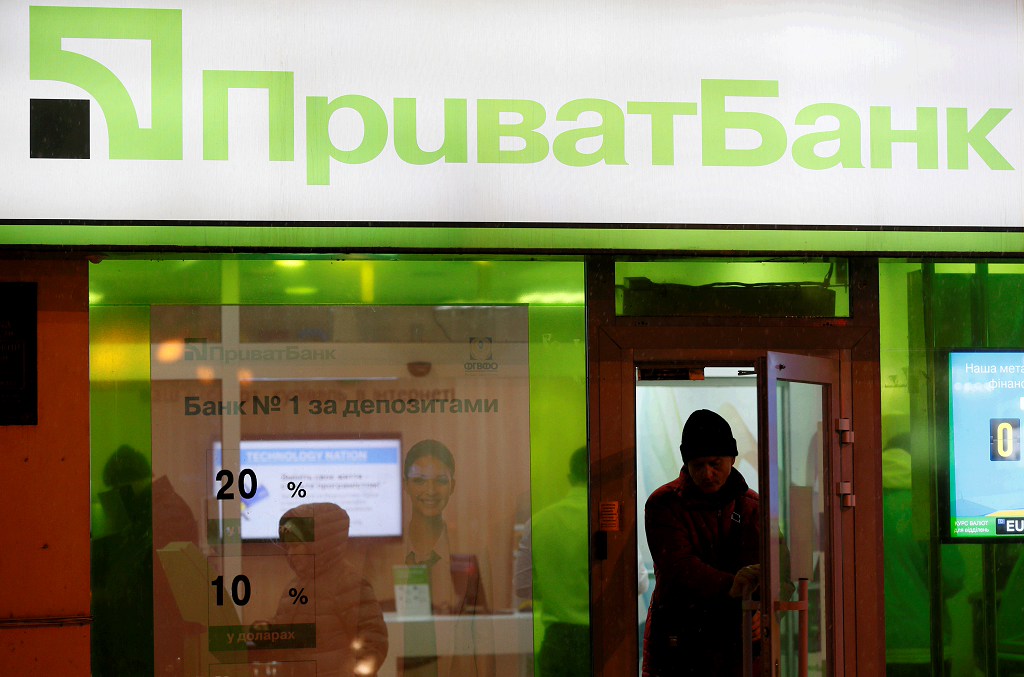 LONDON: Ukraine's bank clean-up comes at a cost. The war-torn country will rescue the largest private lender PrivatBank. It suggests Ukraine's banks are emerging from the grip of oligarchs and bad lending. Yet the deal hurts Ukraine's already shaky finances, and may inflame political tensions.
PrivatBank's nationalisation is part of a purge mandated by the International Monetary Fund's $17.5-billion aid-for-reforms programme, which has seen almost 80 banks closed down since 2014. Loans to companies related to the bank's largest shareholder, oligarch Ihor Kolomoisky, amounted to 97 percent of its loan portfolio, according to the central bank. While the government hopes to claw back some losses from borrowers and the bank's creditors, it will cough up most of the cost of the 148-billion-hyrvnia of capital needed, according to Ukrainian media.
The move is a step forward for Ukraine. PrivatBank's weakness was a lingering risk to financial stability, given it accounts for a third of all deposits. Over the longer term, as banks are cleansed of bad habits, they should be able to attract private capital, and support the economy. Getting tough with vested interests should also keep the IMF sweet if Ukraine struggles to keep up its reforms and fiscal austerity drive.
The rescue does hit the government's fragile finances. The IMF already expected some recapitalisation costs, but PrivatBank's bailout will absorb most of the 7.3 percent of GDP budgeted this year. The IMF expects debt to hit 93 percent of GDP in 2017, despite a restructuring last year. That leaves little cushion if the economy deteriorates. The IMF reckons growth will bounce back next year to 2.5 percent and climb thereafter, following three years of recession, despite a protracted war with Russia, the loss of Crimea, and tensions in the industrial Donbass region.
Ukrainians may have mixed feelings about the rescue. A high-profile scalp will ease public resentment against corruption. Yet stuffing more state money into banks may make austerity even less palatable. There are already concerns that delays to this year's budget could derail the IMF programme. If the government gets the budget through, it faces a bigger battle over painful pension and land reform next year. Putting the PrivatBank challenge behind it takes one job off a lengthy to-do list.



















Comments
Comments are closed for this article.