


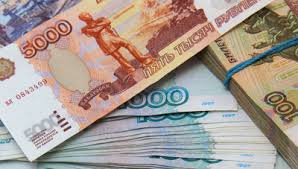
 LONDON: Russia's rouble crashed to an all-time low on Friday and emerging market stocks headed for a steep weekly fall, as worries about slow growth, falling commodities prices and Ukraine all soured sentiment.
The rouble plunged another 3 percent to put it on course for an eye-watering 10 percent weekly drop after Russian President Vladimir Putin held talks with his top security chiefs on Thursday over a "deterioration of the situation" in Ukraine.
A source told Reuters that Russia's central bank Governor Elvira Nabiullina was holding a meeting, but markets were questioning what could be done to halt the slide.
Having hiked interest rates dramatically last week and burning through almost $75 billion in reserves this year, the bank effectively abandoned formal currency market intervention this week and worries are growing about the psychological impact on both investors and normal Russians.
Russian bonds fell broadly across the curve with the 2030 dollar bonds trading close to 0.5 of a cent lower while the cost of insuring against Russian default rose back level with this year's highs.
"The key thing to watch is what happens on the capital flows side, whether we see a surge in capital flight out of Russia," said Moritz Kraemer, head of EMEA sovereign ratings at Standard and Poor's.
"What impact the rouble volatility has on that is not immediately clear but it certainly has one implication, namely that it makes keeping to the inflation target so much harder for the central bank."
Plunging oil prices and Western sanctions over Ukraine have shriveled Russia's exports and investment inflows, driving the rouble lower over several months.
On Friday, talk of renewed fighting in eastern Ukraine, where both sides have accused each other of violating a fragile ceasefire, added further pressure to Russian assets.
Other commodity-producing countries were also under pressure. South Africa's rand touched a near 5-week low after a ratings downgrade from Moody's which cited poor growth prospects and rising debt levels.
"Although a number of participants were expecting Moody's to move this year, we don't believe that this has been adequately reflected in market pricing." Barclays analysts said in a research note.
DOLLAR PRESSURE In Nigeria - Africa's biggest oil producer - the naira was also down more than 1 percent.
It is down around 7 percent this year and at 172 is well outside the central bank's target band of between 150 to 160 to the dollar.
There was talk on Friday of intervention.
Saudi Arabia's stock market was closed on Friday but has seen its third week of sizable falls in four this week.
Emerging assets are also suffering as the strengthening dollar comes in tandem with a rise in US government bond interest rates which tend to set the bar for global borrowing costs.
Those rises tend to weigh on countries most dependent on foreign funding.
One of the best examples is Turkey and the lira hit a three-week low against the dollar on Friday as the greenback continued to strengthen globally ahead of closely-watched monthly US jobs data.
In the wake of Japan's shock new stimulus promise at the end of last week, the South Korean won also saw its largest weekly loss in more than a year against the dollar as Asian currencies generally bowed to the US currency.
More signs this week that world number two economy and emerging market powerhouse, China, is also struggling to maintain economic momentum has hit also emerging assets.
MSCI's benchmark EM stock index was heading for a fifth straight day and a seventh week out of the last nine of losses after a near 3 percent drop this week.

























Comments
Comments are closed for this article.