


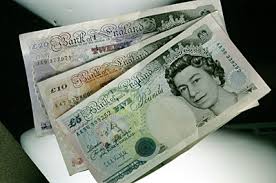
 LONDON: Sterling slumped below $1.60 for the first time in 11 months on Friday and was on track for its biggest weekly fall in over a year, after data showed the US joblessness rate fell to a six-year low in September. Friday's employment report is the most significant gauge of the US economy's health ahead of Nov. 4 mid-term elections, and will bolster bets on the Federal Reserve increasing interest rates in mid-2015.
The dollar climbed to a four-year high against a basket of major currencies after the report's release.
The US jobs numbers followed data from Britain that showed the expansion in its dominant services sector slowed more than expected last month, raising the prospect of an end-of-year slowdown in the British economy. The pound fell well over 1 percent against the dollar, hitting a trough of $1.5953, the lowest since November last year.
"$1.60 was a big figure that was always going to be a tantalising target for the market," said Neil Mellor, a currency strategist at Bank of New York Mellon in London. "The market was lining up to have a go at it, it just needed a good number and hey presto, it got it," he said, referring to the US jobs data. The euro also fell after the US numbers and was down 0.1 percent against the pound at 78.385 pence. The Bank of England expects the British economy to grow 3.5 percent this year, but most of its policymakers have said they are in no rush to raise interest rates from their record lows, citing unemployment, low inflation and very weak wage growth.
"The only way you're going to get sterling to put up a sustained fight against the dollar is to see expectations significantly shift towards the potential for a tightening this year," said Simon Smith, head of research at FxPro. "Yes, there are two members voting for higher rates, but I still think there's a decently high hurdle to the Bank putting rates up this year." STRUGGLING STERLING The pound had surged over 15 percent against the dollar in the year to mid-July on the expectation the BoE would raise interest rates before its peers in the United States and Europe.
But it has fallen almost 7 percent in the 2-1/2 months since then as the expectation of a rate hike by the end of 2014 faded and as political uncertainties have entered the mix.
Britain is set to hold a parliamentary election next May in what is expected to be an extremely close race. The Conservative party has said that if it wins, it will hold a referendum on continued membership of the European Union.
"Markets don't like political uncertainty and this could prove to be not only a close election, but also the biggest political divide between the parties in decades," said BNY Mellon's Mellor, adding that there was potential for sterling to fall a lot lower still.
Ten-year British government bonds fell sharply from Thursday's one-year high, as core fixed income assets tumbled.
Ten-year gilt yields rose more than 7 basis point on the day to 2.40 percent, their biggest rise since Aug. 18, when prices suffered their largest drop this year after remarks by BoE Governor Mark Carney on the outlook for rates.
Gilt futures showed their biggest one-day drop since last month's Scottish independence referendum, while 10-year gilts' yield spread over Bunds widened by 3 basis points on the day to 146 basis points.

























Comments
Comments are closed for this article.