

Cocoa falls on Ivorian supplies, coffee drops

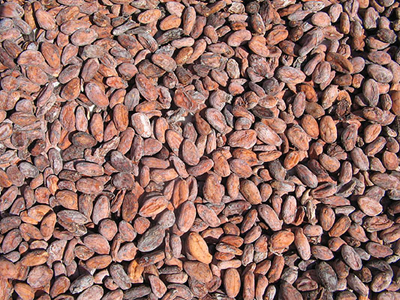 NEW YORK/LONDON: Cocoa futures tumbled on Friday to multi-month lows as Ivory Coast resumed exports after months of strife hit supplies from the top producer, while arabica coffee futures closed at a 6-1/2-week trough.
Investors also fretted about the euro zone economy after Fitch cut Greece's credit rating by three notches, and ahead of elections in Spain this weekend.
"It's partly macro driven because there are growth concerns and sovereign debt concerns in the air," said Luis Rangel, vice-president of commodity derivatives with ICAP North America in New Jersey.
"The dollar is very strong. The bonds are very steady, which also tells you there's an element of fear, so people are taking risk off the table."
The commodity complex reversed higher late in the session but coffee and cocoa failed to gather positive momentum.
ICE raw sugar rose, bucking the weak trend in commodities due to a line of ships waiting to be loaded in top grower Brazil. Sugar's gains were capped by forecasts of a wider global surplus in 2011/12.
ICE cocoa futures fell as dealers pointed to forecasts of a large 2010/11 world surplus and weak butter ratios indicated weakening underlying demand, dealers said.
"The estimated 2010/11 global surplus is around 250,000 to 300,000 tonnes, which is big," said Eric Sivry, head of the agri options brokerage at Marex Financial.
Cocoa arrivals at Ivorian ports are running around 13 percent above last year's levels, and deliveries are set to keep picking up, but security remains a problem up-country, exporters said.
ICE July cocoa closed down $77, or 2.6 percent, at $2,902 per tonne, the weakest settlement for the spot contract since Jan. 10 as the contract remained below the 200-day moving average. Total volume rose above 23,000 lots, up roughly 20 percent from the 30-day average on a day that the rest of the softs complex saw thin dealings, preliminary Thomson Reuters data showed.
Liffe July cocoa fell 49 pounds, or 2.6 percent, to close at 1,816 pounds a tonne, the lowest settlement for the spot contract since Nov. 12, 2010.
COFFEE, SUGAR
Arabica coffee futures were lower in light volume, as a lack of roaster buying had the market taking its cue from other markets, including oil which fell in early trade before bouncing higher.
"We're not seeing the type of roaster support that one would expect, given the system-fund selling and the long liquidation that's going on here," Rangel said.
"Roasters would ordinarily be very big buyers at these kinds of prices but because they are short quite a bit of puts, we're not seeing the buying of futures to absorb this spec selling."
A significant amount of put selling was seen on the options market during the recent futures rally, when the second position shot up to a 34-year high at $3.0890 per lb earlier this month. This means roasters who are already short puts don't need to buy the falling futures as the puts already make them long the market, Rangel said.
ICE July arabica coffee fell 4.55 cents, or 1.7 percent, to close at $2.5915 per lb, the lowest settlement since April 4 for the second straight day. Liffe July robustas fell $6 to settle at $2,543 a tonne.
Sugar climbed on investor buying in thin dealings as most of the trade awaited leads to provide inspiration for the market, while some noted that the Brazilian crop size was talked down at the New York sugar industry week.
Logistical bottlenecks at Brazilian ports were also in focus.
"Talk of premiums being paid by receivers to load at certain terminals abound, so the attention should really be centred around actual availability of sugar in the early part of the harvest season," said Nick Penney of brokerage Sucden Financial.
Dealers said they saw strong support for ICE raw sugar futures at 20 cents a lb.
ICE July raw sugar rose 0.59 cent, or 2.7 percent, to conclude at 22.41 cents per lb, while Liffe August white sugar rose $6.80 to settle at $625.30 per tonne.





















Comments
Comments are closed for this article.