


 HONG KONG: Philippine six-month bill yields dipped on Monday and held near record lows as the Manila interbank market remained flooded with funds, prompting banks to keep seeking higher yields in the central bank's special deposits
Bill yields have plunged in the past month, dragging down short-term swap rates as relatively tepid bank lending in the country has kept money markets awash in peso liquidity, even with last week's central bank rate hike.
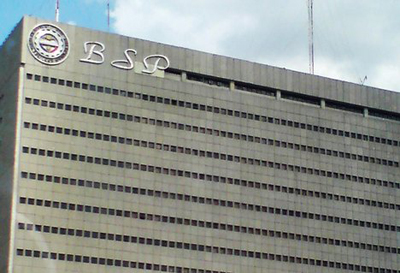
The Philippine central bank (BSP) lifted rates last Thursday by a quarter-point to 4.25 percent, making it the last Asian central bank to start unwinding the loose policy put in place to combat the economic hit from the financial crisis.
Yet short-term yields and swap rates have only fallen further below policy rates.
Six-month T-bill yields dipped a basis point to 1.58 percent, taking them a full 267 basis points below the overnight borrowing rate for banks and back near the all-time low of 1.30 percent hit in December.
Local Philippine three-month interbank reference rates were set at just 1.063 percent on Monday. One-year swaps were quoted 10 basis points higher at 1.95 percent after hitting a two-month low on Friday.
Traders have said abundant liquidity -- due to the lack of strong bank lending, steady remittances from overseas workers, strong foreign portfolio inflows and the government keeping bond supply in check -- has kept short-term rates unusually low.
Other factors also were cited, such as local insurance companies shovelling funds into more liquid 91-day Treasury bills due to regulations that they need to invest a majority of funds in government securities.
As a result, commercial banks have flocked to the BSP's special deposits that offer yields well above market yields at the moment, sending the amount of special deposits to record highs.
Traders said the central bank probably did not want short-term rates to stay so far below official rates for much longer, suggesting that the BSP may need to intervene in the market to absorb liquidity and lift bill yields and short-term rates.
Joey Cuyegkeng, an economist at ING Bank in Manila, said the wide gap between the policy rate and market yields undermines the credibility of monetary policy.
The BSP recently stepped up its dollar buying intervention in the currency markets, suggesting a steady inflow of foreign funds that was contributing to the flush conditions.
"We should see the very short end of the curve stabilise for now and rise in the medium term," said Jonathan Ravelas, chief market strategist at BDO Unibank in Manila.
At the same time, analysts said the government would like to see a pick up in bank lending, especially for infrastructure-related projects, and thus probably does not mind that banks are flush with funds.
The drop in short-term yields and rates has also prompted local banks to hunt for higher yields further out the curve, causing a bull flattening.
Five-year yields were down 4 basis points at 5.97 percent and have plunged about 60 basis points in the past month as banks have sought higher yields.
Typically when a central bank begins lifting rates, it causes short-term rates to rise faster than long-term ones in a bear flattening of the curve.
The short end of the Philippine bond curve has been unusually volatile in the past six months.
The BSP sparked a dollar shortage in October when it temporarily stopped rolling over its forward book, causing a flood of peso liquidity then that drove down bill and deposit yields.
But in January worries about inflation and profit-taking drove yields sharply higher.




















Comments
Comments are closed for this article.